Is Plovdiv Worth Visiting? 10 Reasons to Visit
Yes, Plovdiv is worth visiting in 2026 if you want Roman ruins, a walkable Old Town, creative nightlife, and good food without Sofia's scale or prices. It is the Bulgarian city that most clearly blends ancient history with everyday local life. You can stand in a 1st-century theatre, climb to a Thracian hilltop, and then walk ten minutes to a craft beer bar in Kapana.
The catch is practical rather than cultural. Plovdiv rewards slow walking, sturdy shoes, and at least one overnight stay. If you only have a few hours, start with the main Plovdiv attractions around the Old Town, Roman Theatre, Kapana, and Nebet Tepe Visitor Guide before adding museums or day trips.
Get oriented with this walking tour of Plovdiv's main sights, from the Roman Stadium to Kapana:
The Verdict: Is Plovdiv Worth Visiting?
Plovdiv is best for travelers who want atmosphere over big-city intensity. The city is smaller than Sofia, easier to understand on foot, and stronger for Roman sites, Revival-period houses, hilltop views, and relaxed cafe culture. Whether Plovdiv is better than Sofia depends on your itinerary, but most first-time visitors find Plovdiv more charming and less tiring.
Choose Plovdiv if you like history, photography, wine bars, independent restaurants, and wandering without a strict checklist. Skip or shorten it if you need step-free streets, large museums, luxury shopping, or a fast metro-style city. The Old Town is beautiful but physically demanding because the cobbles are uneven, polished, and steep in several places.
| Choose Plovdiv if you want | Choose Sofia if you want |
|---|---|
| Roman ruins, Old Town streets, Kapana nightlife, and hill views in a compact center. | Grand cathedrals, larger museums, more flights, metro connections, and a capital-city pace. |
| Two slow days with cafes, wine, galleries, and sunset walks. | A practical transport base for Rila Monastery Visitor Guide, Vitosha Mountain Visitor Guide, and wider Bulgaria. |
- Plan at least one night, because the Roman Theatre and Kapana feel better after the day-trip groups leave.
- Wear grippy shoes for the Old Town cobbles, especially after rain.
- Park below the Old Town and walk up, rather than trying to drive into the protected streets.
- Avoid midday hill climbs in July and August, when Plovdiv can feel hotter than the forecast suggests.
Roman Heritage: The Theatre and Stadium of Philippopolis
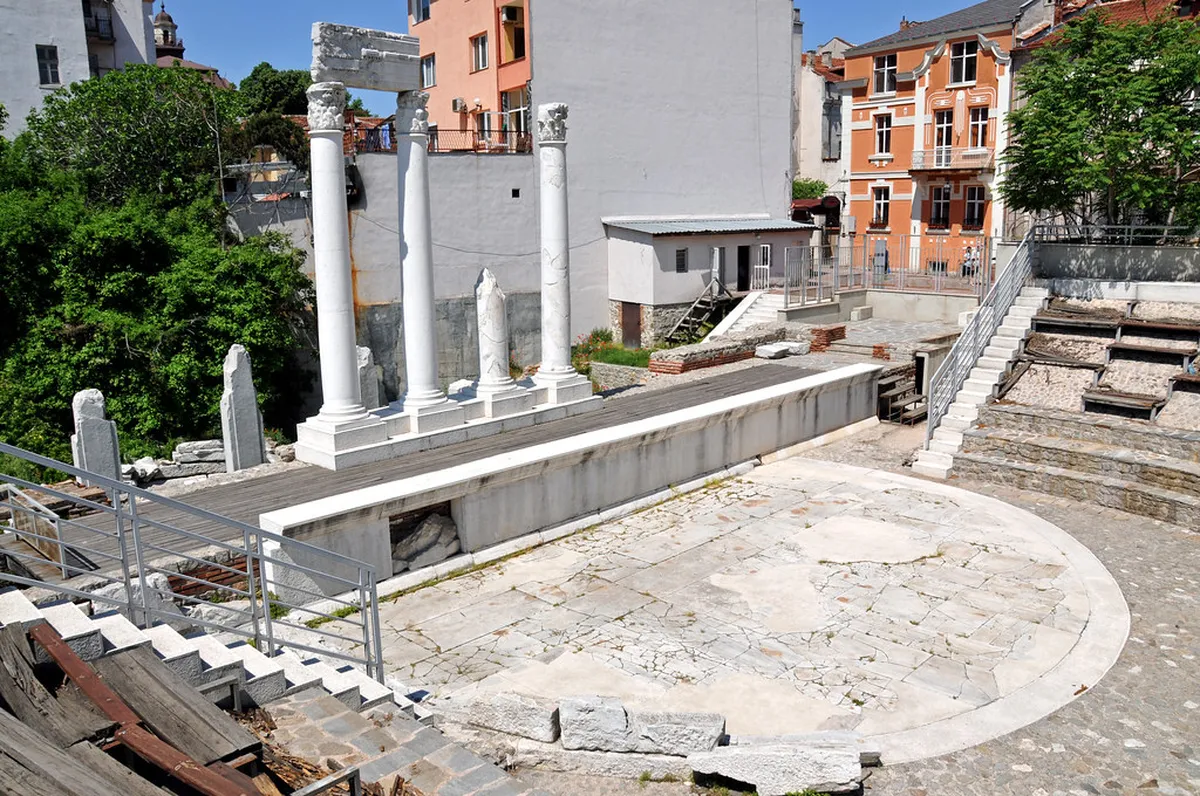
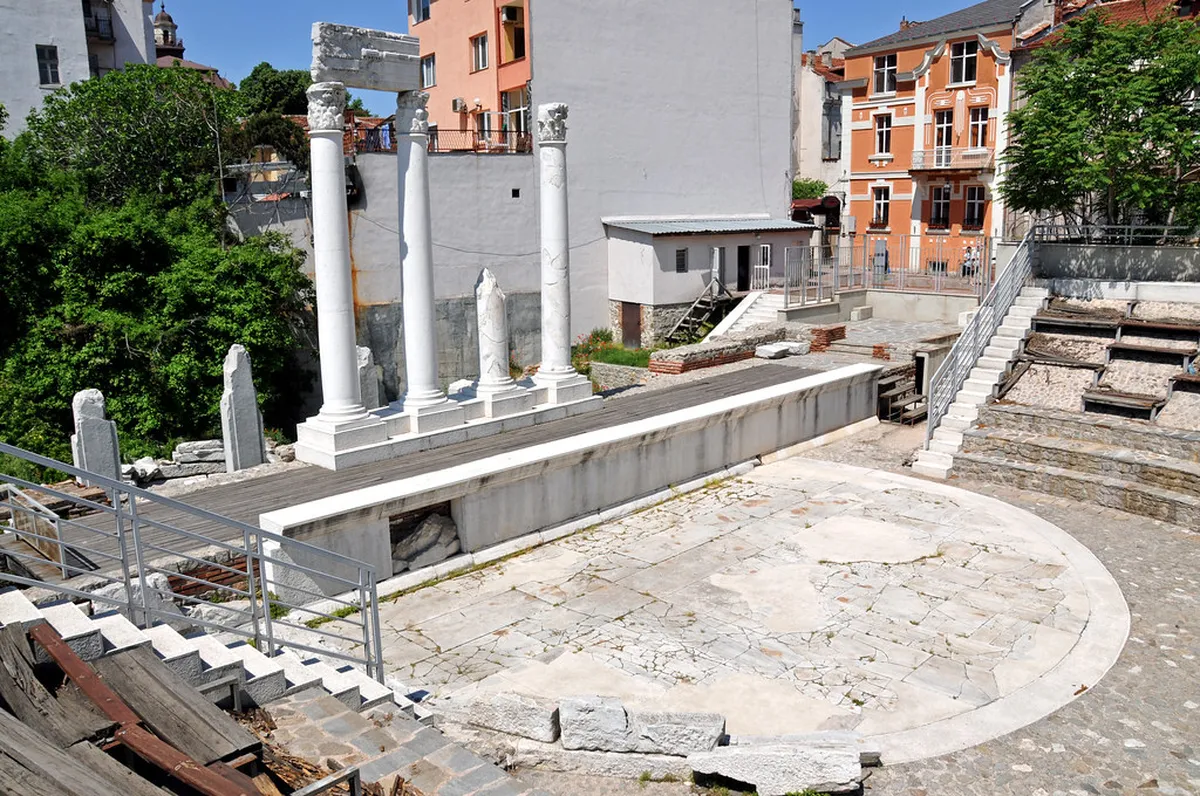
The Ancient Theatre of Philippopolis is the reason many travelers put Plovdiv on a Bulgaria itinerary. Built in the 1st century AD, it still sits dramatically between the Old Town and the modern city. The marble seating, stage wall, and open view toward the Rhodope Mountains make it feel more alive than many fenced-off ruins.
Entry is usually inexpensive, around 5 BGN, or about 2.50 EUR. In the warm season, check the Plovdiv Opera programme before you visit. A concert or opera performance here is one of the strongest arguments for staying overnight rather than treating Plovdiv as a quick stop from Sofia.
The Roman Stadium of Philippopolis is easier to miss because most of it sits under the pedestrian shopping street. The visible section at Dzhumaya Square is free to see from above, while the small paid area helps you understand the scale of a stadium that once held tens of thousands of spectators. Nearby Roman forum and odeon remains add to the sense that ancient Philippopolis still sits under the modern city.
The Old Town: Ottoman-Era Houses and Cobbled Streets
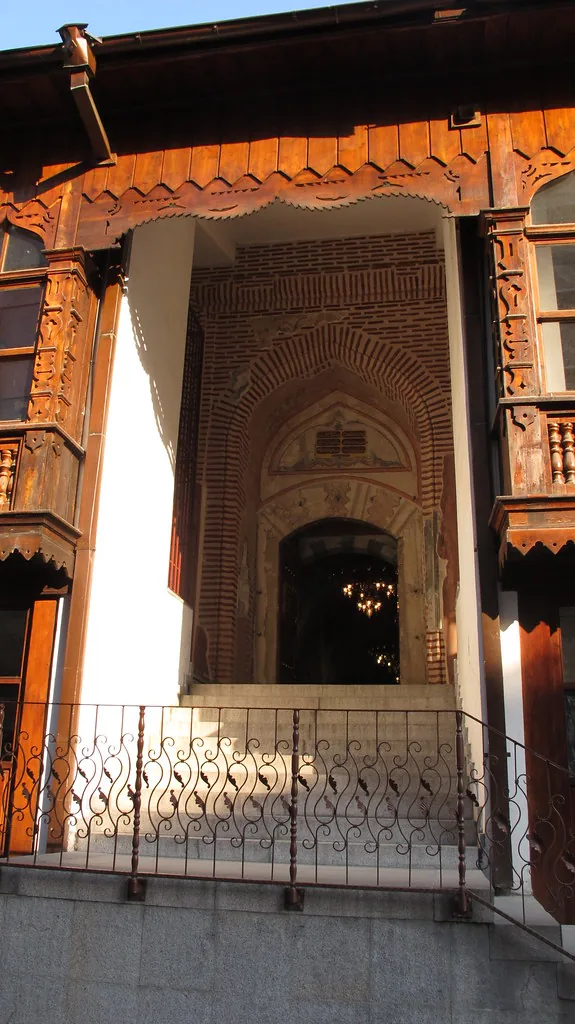
The Plovdiv Old Town is a protected architectural reserve spread across three hills. Its painted houses, projecting upper floors, carved wooden ceilings, and quiet courtyards show the Bulgarian National Revival style at its most photogenic. This is where Plovdiv feels least like a checklist and most like a lived-in open-air museum.
The Regional Ethnographic Museum, set inside the Kuyumdzhioglu House, is the most striking stop for many visitors. Hindliyan House Visitor Guide and Ultimate Balabanov House Visitor Guide are also worth adding if you enjoy interiors, frescoes, and merchant-house architecture. Entry fees vary by site, but individual house museums are generally low-cost, and combined tickets may make sense if you plan to visit several in one afternoon.
The practical warning matters: the Old Town cobbles are not smooth European-promenade stones. They are large, uneven, and slippery after rain. Leave wheeled suitcases at your hotel if possible, avoid thin soles, and give yourself extra time between the Roman Theatre, Hisar Kapia, and Nebet Tepe.
Kapana District: Plovdiv’s Creative and Trendy Hub
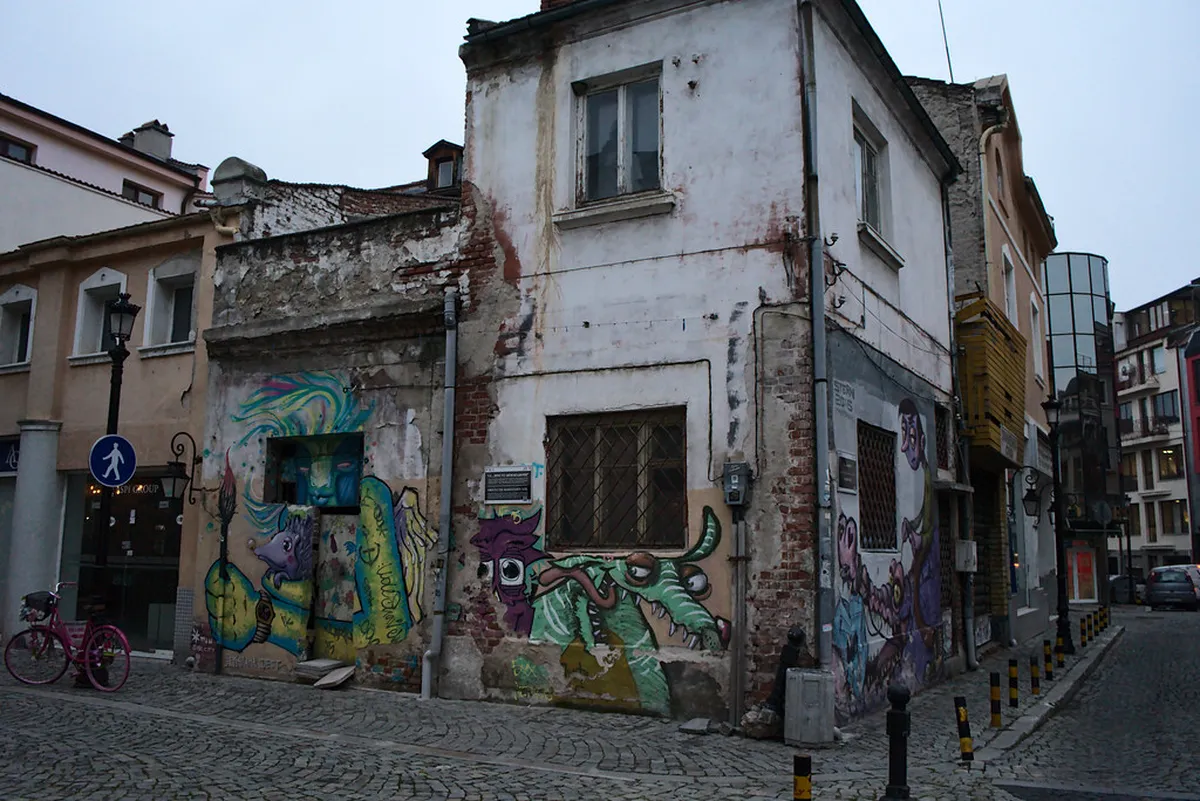
The Kapana District is the modern counterweight to the Old Town. Its name means "The Trap," a fair description of the tight medieval street pattern and the way visitors drift between coffee shops, galleries, cocktail bars, and small design stores. It is the easiest place in Plovdiv to understand why the city appeals to younger travelers and digital nomads.
The 2019 Capital of Culture year left a visible legacy here. Kapana was once associated with traffic, parking, and neglected buildings, but investment and creative programming helped turn it into a pedestrian-friendly hub. The result in 2026 is not a polished theme park; it still feels slightly improvised, which is part of its appeal.
Come in the late afternoon, then stay into the evening for the best atmosphere. Coffee often costs about 4 BGN, craft beer is still reasonable by Western European standards, and casual meals commonly sit around 15-25 BGN, or roughly 8-13 EUR. For a deeper evening plan, use Kapana as the starting point for Plovdiv food and drinks rather than treating it as just a photo stop.
Panoramic Views: Climbing the City’s Famous Hills
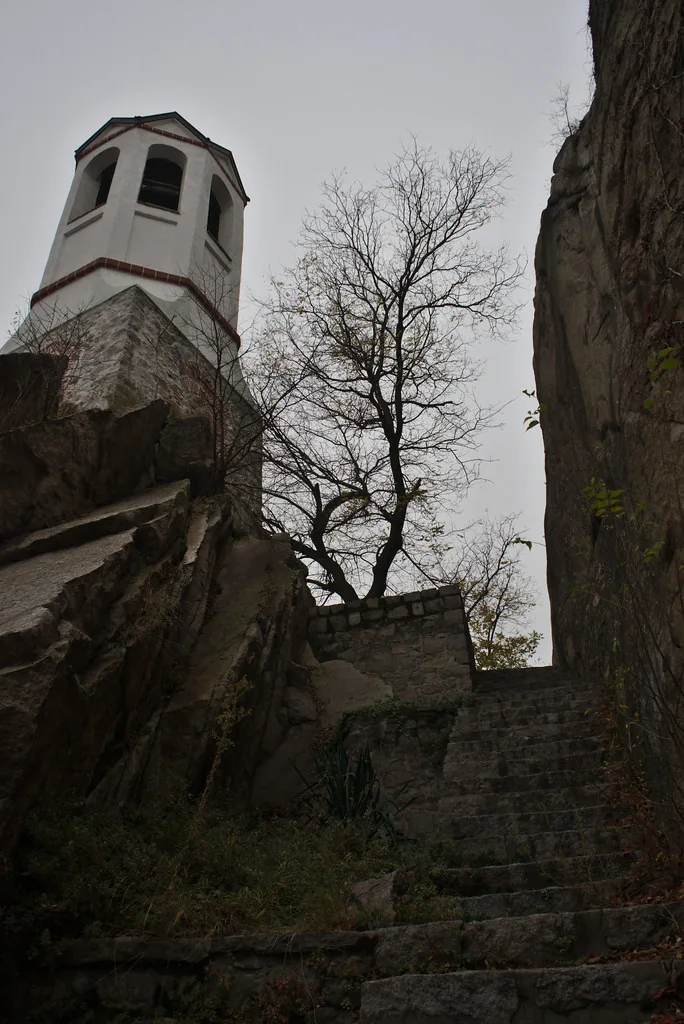
Plovdiv is known as the City of Seven Hills, although only six remain in the modern city. Nebet Tepe is the most useful hill for first-time visitors because it combines ruins, Old Town access, and sunset views in one stop. There is no entrance fee, and the walk from Hisar Kapia is short but uneven.
Sunset is the moment to come. Locals bring drinks, couples sit on the stones, and the rooftops of the Old Town drop away toward the modern city and the Rhodope Mountains. The Best Views in Plovdiv: Hilltop Viewpoints & Panoramas (2026 Guide) are not only about height; they are about timing, and Nebet Tepe is much better at 19:00 in summer than at a harsh 14:00.
Alyosha Hill, or Bunardzhik Tepe, gives a broader panorama if you want a longer climb. The path is steeper but partly shaded, and the Soviet monument at the top is impossible to miss. Go early or late in hot months, carry water, and avoid rushing the climb after a heavy lunch in Kapana.
Arts and Culture: From the Ancient Bath to the Opera
The Ancient Bath is one of Plovdiv's most underrated cultural stops. The gallery occupies a 16th-century Turkish bath, so contemporary installations sit below stone domes, old bathing chambers, and thick walls that stay noticeably cooler in summer. It is a good midday refuge when the hills feel too exposed.
Know before you go: exhibitions change, opening hours can be more limited than major museums, and the building is part of the experience. Do not expect a large national-gallery setup. The value is the contrast between modern art and preserved Ottoman-era space, which gives Plovdiv's cultural scene a texture that many short city guides miss.
Plovdiv also punches above its size for music and festivals. According to (Official Tourism), the Ancient Theatre is still used as a performance venue, and September often brings strong cultural programming. If your dates are flexible, check opera, theatre, and festival listings before booking hotels.
Bulgarian Gastronomy: Banitsa, Wine, and Modern Dining
Eating well is one of the clearest reasons Plovdiv is worth more than a day trip. Start with banitsa, the flaky pastry filled with sirene cheese, from a bakery near Kapana or the center. It usually costs under 3 BGN, or about 1.50 EUR, and works better as a quick breakfast than a hotel buffet if you want to keep moving.
The wider Thracian Valley gives Plovdiv a serious wine advantage. Mavrud is the grape to look for if you want a local red with real character, and many restaurants carry Bulgarian bottles that are better value than imports. For vineyard visits and tasting-room context, check (Local Wine Context) before deciding whether to spend a half day outside the city.
Modern Plovdiv dining is not only taverns and grilled meat. Kapana and the streets near the main pedestrian zone have restaurants doing updated Bulgarian dishes, seasonal salads, sheep cheese, rakia, vegetarian plates, and good coffee. Book ahead for popular dinner spots on Friday and Saturday, especially in May, June, September, and around festival weekends.
Local Artisans: Shopping on the Street of Crafts
Stramna Street, usually called the Street of Crafts, is a small but worthwhile detour in the Old Town. Workshops here focus on traditional Bulgarian crafts such as ceramics, weaving, woodwork, and textiles. It is more interesting than a generic souvenir shop because you can often see the work being made on site.
Go earlier in the day if this matters to you, because small studios can close before the main sightseeing flow ends. Prices vary, but handmade ceramics, woven items, and small decorative pieces can still be good-value souvenirs. If you are buying rose oil, check the packaging carefully and treat very cheap "pure rose oil" claims with caution.
Kapana is better for contemporary design shops, leather goods, jewellery, prints, and gifts with a younger style. The Old Town is stronger for heritage crafts. Pairing both gives you a better sense of how Plovdiv's creative identity runs from traditional workshops to modern studios.
Beyond the City: Exploring the Valley of the Roses
Plovdiv works well as a base for the Valley of the Roses, but timing matters. The most fragrant window is usually late May to early June, when the harvest takes place around towns such as Kazanlak and Karlovo. Outside that season, the valley still has mountain views, Thracian tombs, and village culture, but you should not expect fields in full bloom.
Kazanlak is roughly 90 minutes from Plovdiv by car and is known for its UNESCO-listed Thracian tomb. Rose farms may offer harvesting demonstrations, distillation workshops, or rose-based products during the season. If the rose bloom is a priority, confirm dates locally before building a 2026 itinerary around it.
Bachkovo Monastery Visitor Guide is the easier half-day trip from Plovdiv and fits almost any season. The route toward the Rhodope Mountains is scenic, and the monastery is one of Bulgaria's most important religious sites. For travelers with two full days in the city, save day trips until after you have seen the Old Town, Roman ruins, Kapana, and Nebet Tepe.
Planning Your Visit: Parking, Accommodation, and Logistics
Getting to Plovdiv is straightforward. From Sofia, buses and trains usually take around 2 to 3 hours depending on the service, while driving is faster if traffic is light. A Sofia day trip is possible, but How Many Days In Plovdiv: 8 Essential Planning Tips you need depends on pace: one day covers the highlights, two nights lets the city breathe.
Parking is the main mistake to avoid. The Old Town is largely pedestrian-only, access is restricted, and the steep streets are not where you want to improvise with a rental car. Use monitored lots at the base of the Old Town or near the center, then walk up. Expect roughly 2 BGN per hour or around 20 BGN per day, though rates can change by lot and season.
For where to stay, first-time visitors should choose the city center, Kapana edge, or lower Old Town if they want to walk everywhere. Stay directly in the upper Old Town only if you are comfortable with cobbles, hills, and limited vehicle access. Business hotels outside the center can be good value, but they make evenings less spontaneous unless you are using taxis.
The best months are May, June, and September. July and August can be punishing for hill walks, while winter is quiet and atmospheric but colder, with shorter opening hours at some sights. In 2026, check festival and trade-fair dates before booking, because hotel prices can rise sharply during major events.
Continue planning: Use Best Things to Do in Plovdiv and Ancient Theatre Plovdiv 2026: Tickets, Events & History to connect this guide with the rest of your Bulgaria itinerary.
Frequently Asked Questions
What is the best time of year to visit Plovdiv?
The best time to visit Plovdiv is in May, June, or September. These months offer mild weather perfect for walking the steep hills. You will also avoid the intense 40-degree heat of the peak summer months.
Can you walk everywhere in Plovdiv?
Yes, the central sights are all within walking distance of each other. However, the Old Town has very steep and uneven cobblestones. Wear sturdy shoes to avoid injury while exploring the historic districts.
Is Plovdiv better than Sofia?
Plovdiv is better for history and a relaxed, artistic vibe. Sofia is superior for shopping, big-city amenities, and grand cathedrals. Most travelers find Plovdiv more charming and visually unique than the capital.
Plovdiv is worth visiting because it gives you the strongest version of Bulgaria's ancient, artistic, and relaxed sides in one compact city. The Roman Theatre, Old Town, Kapana, Nebet Tepe, Thracian wine, and nearby rose country make it feel richer than its size suggests. The main drawbacks are heat, cobbles, parking, and the need to slow down.
Give Plovdiv at least one night, and two if your Bulgaria route allows it. Use Sofia for flights, cathedrals, and transport connections, but use Plovdiv for atmosphere. It is one of the easiest cities in the Balkans to recommend to travelers who want history without losing the pleasure of cafes, wine, and evening walks.