Snowboarding In Bulgaria: The Ultimate 2026 Travel Guide
Plan the perfect Bulgaria snowboarding trip. Compare Bansko, Borovets, and Pamporovo, plus 2026 budget tips, off-piste guides, and beginner advice.
On this page
Snowboarding In Bulgaria
Bulgaria has become one of the best-value snowboarding destinations in Europe. The Pirin and Rila mountains offer serious altitude, modern lift systems, and terrain that suits riders from complete beginners to freeride enthusiasts. Prices remain well below what you would pay in Austria or France for a comparable week on snow.
This guide covers every resort worth riding in 2026, from the big-mountain freeride lines above Bansko to the hidden fun-parks near Kyustendil. Whether you are planning your first-ever snowboarding lesson or chasing untracked powder, Bulgaria has a setup for you. Start by reading our full 9 Things to Know About Ski Resorts in Bulgaria guide for the complete picture across all mountains.
Snowboarding in Bulgaria: An Overview
Bulgaria sits at the crossroads of the Balkans, and roughly a third of the country is covered by mountain ranges. Five major chains — Rila, Pirin, Rhodope, Stara Planina, and Vitosha — hold ski areas ranging from small family runs to FIS-rated race terrain. The Rila Mountains are the highest in the Balkans, topping out at Musala peak at 2925 metres. That altitude matters: it keeps snowboarding conditions reliable from mid-December through early April.
Infrastructure has seen significant investment since Bansko began hosting FIS Alpine Ski World Cup races. Modern eight-seater gondolas and heated chairlifts have replaced the older drag-lift systems at the main resorts. Snowmaking covers the key pistes so that thin early-season snow is less of a problem than it was a decade ago. The result is a reliable season calendar that independent snowboard travellers can plan around.
The riding culture is relaxed and genuinely welcoming to foreign riders. English is widely spoken by instructors, ski-hire staff, and hotel workers across all three main resorts. One cultural note worth knowing upfront: in Bulgaria, nodding your head means no and shaking it sideways means yes — the opposite of most countries. Clarify anything ambiguous with your instructor on day one to avoid confusion on the slopes.
Most instructors hold international certifications and speak fluent English. A two-hour private lesson costs around 95 euros in Bansko — roughly half the price of comparable lessons in France or Switzerland. Book group lessons in blocks of six half-days for about 250 euros to maximize value.
The Big Three: Bansko, Borovets, and Pamporovo
Bansko is the flagship resort, located about two hours from Sofia in the Pirin National Park. It covers 75 kilometres of pistes between 1000 and 2560 metres altitude, with a gondola that whisks you to the top station in around 20 minutes. The resort has hosted FIS World Cup races and Freeride World Tour Qualifier events, which tells you the upper terrain is serious. The old UNESCO-listed town at the base adds a distinctive character that no other Bulgarian resort can match. Read our Skiing In Bansko Bulgaria for a full resort breakdown.
Borovets is Bulgaria's oldest ski resort, sitting about 70 kilometres south of Sofia in the Rila Mountains — roughly a 90-minute drive. It covers 58 kilometres of pistes between 1350 and 2560 metres, with a good spread of blue and red runs through pine forests. The Markudjik slopes at the top are the resort highlight: when snow fills in the trees from January onwards the entire hillside opens up for tree riding. Night skiing on the floodlit lower runs is another Borovets speciality that Bansko does not offer. See our 11 Essential Tips for Borovets Ski Resort for lift timings and piste maps.
Pamporovo sits 86 kilometres from Plovdiv in the Rhodope Mountains, around 270 kilometres from Sofia. Its 36-kilometre piste network tops out at 1926 metres, which makes it the lowest of the three main resorts. This means snow reliability is more weather-dependent, but the flip side is abundant sunshine and a mellow, family-focused atmosphere. A bus on your lift pass connects you to the neighbouring Mechi Chal area, adding a handful of steeper red runs to the day. Advanced snowboarders may find the terrain limited, but as a beginner's base it is hard to beat.
- Bansko: 75 km of pistes, tops at 2560 m, FIS World Cup terrain, lively international town
- Borovets: 58 km of pistes, tops at 2560 m, excellent tree riding, night skiing, 90 min from Sofia
- Pamporovo: 36 km of pistes, tops at 1926 m, sunniest resort, best for beginners and families
Is Bulgaria Good for Snowboarding Beginners?
Bulgaria is widely regarded as one of the best places in Europe to take your first snowboarding lessons. Instruction costs roughly half of what you would pay in France or Switzerland. A two-hour private lesson in Bansko runs around 95 euros, while a block of six half-day group lessons costs approximately 250 euros. The value is particularly sharp on private lessons: instructors here are certified, experienced, and available at price points that make one-to-one tuition genuinely accessible.
Most instructors hold international certifications and speak fluent English. They are patient with beginners and focus on building confidence before pushing anyone onto steeper terrain. Small group sizes in the ski schools mean you get more feedback per session than in the large conveyor-belt group lessons common in bigger Alpine resorts.
Pamporovo has the best dedicated nursery area for true beginners — wide, gentle slopes separated from faster traffic by design. Bansko's beginner zone sits at the top of the gondola at around 1600 metres, which gives newer riders a pleasant introduction away from the base-area crowds. Remember to check our 10 Things to Know About Skiing in Bulgaria for Beginners guide for a full breakdown of lesson packages and what to expect on day one.
Off-Piste and Freeriding in Bansko
The Todorka peak above Bansko is the centrepiece for advanced snowboarding in Bulgaria. From the top gondola station you can boot up to the western face of Todorka and access steep bowls, exposed ridgelines, and long freeride descents that rival many Alpine venues for quality — at a fraction of the cost. The Freeride World Tour has run qualifiers here, which is a fair endorsement of the terrain's credibility. Check the Bansko Blog snow reports before venturing out to confirm conditions.
Adjacent to Bansko is the lesser-known Dobrinishte ski area, accessed from the neighbouring town of the same name. The lifts are older and slower than Bansko's, but when snow conditions are good the forest riding below Bezbog Hut rivals anything on the main mountain. From Bezbog Hut you have backcountry access to Bezbog and Polejan peaks, and to the Straji chutes — some of the finest sustained freeride lines in Pirin National Park. This spot stays off the tourist radar and is worth a dedicated day trip if you have a hire car.
Avalanche awareness is non-negotiable for any off-piste riding in Bulgaria. Carry a transceiver, probe, and shovel, and hire a certified local mountain guide for your first outings on unfamiliar terrain. Guides know the snowpack, understand which slopes load in specific wind directions, and know how to navigate back to the valley safely. Ensure your travel insurance explicitly covers off-piste activities before you leave home.
Borovets also offers quality tree riding and limited backcountry access towards Musala peak from the top of the gondola. The Rila Mountains around Borovets reward riders who are willing to put in a short skin from the top station — just be aware that the Musala summit route involves significant traversing and requires crampons in icy conditions.
Is Bulgaria Still Cheap in 2026? Budget and Prices
Bulgaria remains cheaper than France, Switzerland, or Austria for a snowboarding holiday, but the gap has narrowed in recent years. A six-day adult lift pass at Bansko is projected at around 280 to 330 euros for the 2025-2026 season — a significant rise from the sub-200-euro passes of five years ago, but still below what comparable Alpine resorts charge. Borovets and Pamporovo come in lower, with six-day passes typically 15 to 20 percent cheaper than Bansko. Booking passes online in advance almost always saves money over buying at the window.
Board and boot hire costs around 20 euros per day or roughly 90 to 100 euros for six days when booked at the resort. Many hire shops will throw in free overnight storage so you are not carrying kit back to your hotel. Food on the mountain runs around 8 to 15 euros for a main course at a mid-station restaurant. Drinks in town are where the value really shows: a local beer in Bansko's old town runs 3 to 4 euros, and a full dinner with wine at a traditional mehana rarely tops 20 euros per person.
Budget flights into Sofia from major UK and European cities with easyJet, Wizz Air, and Ryanair typically cost 35 to 80 euros each way, though checked luggage for snowboard bags adds a meaningful surcharge — factor in 30 to 50 euros extra per flight if you are not travelling with hand luggage only. Plovdiv airport is the closer option for Pamporovo riders.
Cash, Cards, and the Lev: What Nobody Tells You
Bulgaria uses the Bulgarian Lev (BGN), not the euro, and the exchange rate in 2026 sits at approximately 1.96 lev to 1 euro. Many mountain restaurants and small hire shops in the resorts display prices in both currencies, which can make budgeting feel straightforward — but the actual transaction usually happens in lev. At the exchange rate you lose a noticeable amount if you pay the "euro equivalent" price in cash euros rather than in lev.
Card acceptance in the mountain huts and smaller ski hire shops is unreliable. Contactless works fine at the main resort bars and hotel restaurants, but the wooden huts mid-piste, the bakeries in town, and the independent rental outfits near the gondola bases often operate cash-only. Withdraw enough lev at an ATM in Sofia or at a resort cash machine before heading to the hill each morning. Two or three ATMs in Bansko town centre are the most convenient option.
This is one area where Bulgaria genuinely differs from Alpine destinations. In Chamonix or Val d'Isère you can tap your card at almost every point on the mountain. In Bulgaria's resorts, particularly Borovets and Pamporovo, running short of cash mid-day on a busy Saturday is a real risk. Keep a reserve of 50 to 100 lev in your jacket pocket every riding day.
The Bulgarian Lev (BGN) trades at approximately 1.96 lev to 1 euro in 2026. Many mountain restaurants and hire shops display prices in both currencies, but card acceptance is unreliable away from main resort bars. Withdraw lev at Sofia airport ATMs or resort cash machines before heading to the slopes — two to three ATMs in Bansko town centre are the most convenient options.
Après-Ski: Beyond the Stag Dos and Shots
Bansko has a well-earned reputation for cheap drinks and lively late nights. The bars around the gondola base attract stag groups, and you will see costumes on the slopes on busy February weekends. But the old town — a UNESCO World Heritage area of cobbled streets and stone-walled mehanas — offers something completely different. These cosy traditional taverns serve food, local wine, and sometimes live folk music in an atmosphere that has nothing in common with the strip bars near the lifts. Exploring après-ski in Bansko in this direction gives a very different evening.
Families and couples who want a quieter experience should book accommodation in the old town rather than the resort strip. The distance from the gondola is walkable, and the trade-off in noise level is substantial. Local craft beers have improved significantly and are available at several of the newer bars. Hot springs in the village of Banya, 10 kilometres from Bansko, offer a genuinely relaxing evening alternative — the public baths are cheap, and many of the local spa hotels admit non-residents.
Borovets has a more compact and low-key nightlife scene, which suits riders who want to be up early. Pamporovo is the quietest of the three: a handful of family-friendly restaurants, a couple of bars, and early closing times. If a relaxed evening after a full day of riding is your priority, Pamporovo delivers it reliably.
Bulgarian Food and Drink for Snowboarders
Bulgarian mountain food is built for cold-weather endurance. Shkembe chorba — a spicy tripe soup — is the classic morning-after recovery dish and also an excellent pre-slope warmup on a bitter January day. Grilled kebapche (skinless sausages) and kyufte (meatballs) come with fresh bread, shopska salad, and lutenitsa relish at almost every mountain hut. For a deeper look at the full menu, the Bulgarian Food Guide covers every dish worth trying.
Banitsa is the snowboarder's best friend: a flaky filo pastry filled with white cheese, available at every bakery and mountain hut from 07:00 onwards for around 1 to 2 lev. Pair it with ayran (salted yogurt drink) or a strong Nescafe for a fast breakfast before the gondola queue. The pastry is filling, cheap, and carries you through the first two runs without needing a mid-morning stop.
Rakia — the national fruit brandy — deserves a warning. It is typically 40 to 50 percent alcohol and is poured generously. At altitude, a single glass hits harder than it would at sea level. Bulgarians sip it alongside a shopska salad as an appetiser; matching their pace is the sensible approach. Bulgarian wine is a genuine discovery — the Mavrud and Melnik grape varieties produce full-bodied reds that cost 12 to 20 lev per bottle in a restaurant and around 5 lev from a village shop.
Planning Your Trip: When to Go
February is peak season across all Bulgarian resorts. School holidays in the UK, Germany, and Scandinavia coincide with the Orthodox school break in Bulgaria, creating long gondola queues at Bansko and Borovets and premium-priced accommodation. If February is your only option, book accommodation and lift passes at least three months in advance. January is the alternative: colder, drier snow, and noticeably fewer people on the pistes after the Orthodox Christmas period (around 7 January) passes.
March is the local insider's recommendation. The snowpack is typically at its deepest by late February, which means March riding often has the best base of the entire season. Crowds drop sharply after the mid-term rush. Days lengthen noticeably — you can ride from 09:00 to 16:30 in clear afternoon light. Accommodation prices fall by 15 to 25 percent compared to February. The combination of quality snow, empty pistes, and lower costs makes March the sweet spot for most independent snowboard travellers. Check our the best time to ski in Bulgaria guide for a month-by-month snow reliability breakdown.
Late December is hit-or-miss for natural snow; snowmaking covers the main runs but the off-piste terrain is often thin. April is warm and sunny, good for spring riding at the top of Bansko, but lower runs can soften quickly in the afternoon. The season at Pamporovo typically closes earlier than Bansko due to its lower altitude.
Getting There from Sofia and Plovdiv
Sofia Airport (SOF) is the main entry point for most snowboard visitors to Bulgaria. From the airport, Bansko is approximately two hours by road — 160 kilometres south via the A3 motorway to Blagoevgrad, then south again through the Pirin foothills. Borovets is the closest resort to Sofia at around 70 to 75 kilometres, making it a realistic 90-minute drive in normal winter conditions. Transfer buses and shuttle services run daily from Sofia's airport bus park, and many package operators include transfers. A taxi from Sofia to Bansko runs around 80 to 100 euros depending on the vehicle — reasonable split four ways.
Plovdiv Airport (PDV) is served by budget airlines including Wizz Air and handles seasonal charter flights from the UK. Pamporovo is 86 kilometres south of Plovdiv, around 90 minutes by road. Plovdiv is also a practical base for day trips to Bansko (about 2.5 hours via the Rhodope Mountain roads). If you are riding Pamporovo or Chepelare, flying into Plovdiv cuts an hour or more off your transfer time compared to routing through Sofia.
A hire car gives you the most flexibility, especially if you want to combine resorts across a week. Bulgarian winter road conditions vary — carry snow chains for mountain passes, and check conditions on the passes between Plovdiv and the Rhodope resorts after heavy snowfall. The roads to Bansko and Borovets from Sofia are well-maintained motorways and cleared primary roads.
Smaller Resorts: Malyovitsa, Osogovo, and Chepelare
Malyovitsa sits at the western edge of the Rila range and is primarily a mountaineering hub. The ski area itself is small — a handful of button lifts and short steep runs — but the location is a gateway to serious alpine terrain. From Malyovitsa Chalet you can tour into freeride zones that rank among the best in the country within a 90-minute skin from the lifts. Prices here are the lowest in Bulgaria. See our 11 Best Smaller Ski Resorts in Bulgaria and Planning Tips guide for access details and terrain notes.
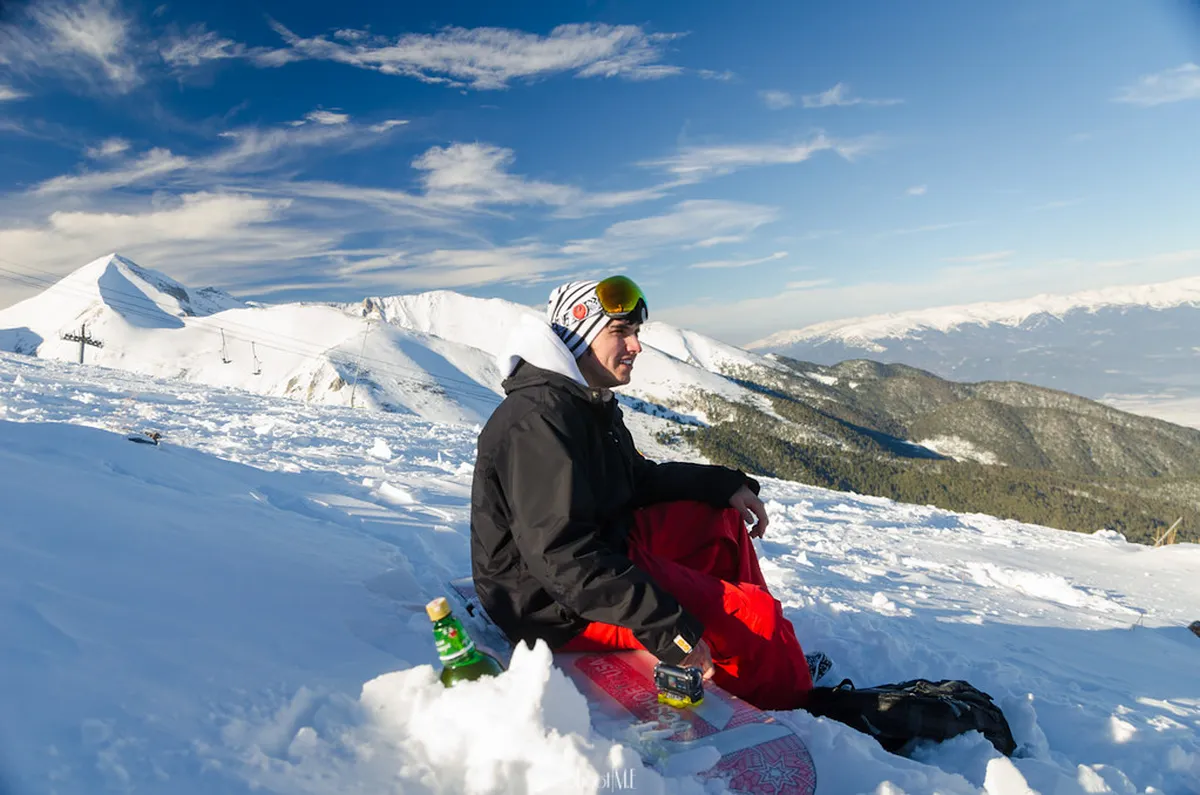
Osogovo Fun Park near Kyustendil is a purpose-built freestyle spot for jibbers and park riders. The park features rails, boxes, and a small kicker line that is maintained throughout the season by local riders who know what they want from a park setup. The atmosphere is creative and low-key. It sits at lower elevation than Bansko and Borovets, which means it needs a solid snowfall to come into its best condition, but on a good snow day it is an excellent alternative for riders who want to improve their park skills away from the tourist crowds.
Chepelare (Mechi Chal) neighbours Pamporovo in the Rhodope Mountains and is connected by a ski-bus included in the lift pass. It is quieter and more traditional than Pamporovo, with some longer red runs through dense pine forest from the Mechi Chal peak. Intermediate riders who find Pamporovo too tame will get more from Chepelare's terrain. The town itself has a handful of good restaurants and is noticeably cheaper for accommodation than Bansko or Borovets.
Frequently Asked Questions
Is Bulgaria good for snowboarding?
Yes, Bulgaria is excellent for snowboarding because it offers high altitudes and modern lifts at low prices. It is especially good for beginners and intermediate riders who want to improve their skills without the high costs found in Western Europe.
Which is better for snowboarding: Bansko or Borovets?
Bansko is better for long runs and modern infrastructure, while Borovets offers better tree riding and easier access from Sofia. Your choice depends on whether you prefer a large town atmosphere or a compact forest resort. Check our comparison guide for more details.
Is snowboarding in Bulgaria safe for beginners?
Snowboarding in Bulgaria is very safe for beginners due to the high quality of English-speaking instruction. The nursery slopes in Pamporovo and Bansko are well-maintained and separate from faster traffic, providing a secure environment for learning basic skills.
How much does a snowboarding trip to Bulgaria cost in 2026?
A budget trip in 2026 will likely cost around 700 to 900 Euros per week including flights and passes. This remains significantly cheaper than similar trips to the Alps, where prices often exceed 1500 Euros for a similar experience.
What is the best month to snowboard in Bulgaria?
March is the best month because it combines a deep snow base with fewer crowds and longer sunny days. February is also reliable for snow but can be very busy with families during the school holiday periods.
Bulgaria remains one of the best-value snowboarding destinations in Europe for 2026. Whether you choose the freeride lines above Bansko, the tree runs at Borovets, or the gentle learning slopes at Pamporovo, the combination of modern infrastructure and low prices is difficult to match anywhere else on the continent. Plan early, bring cash for the mountain huts, and consider targeting March for the best balance of snow, crowds, and cost.
Respect the mountains, follow the ski patrol's advice on off-piste conditions, and take time to eat and drink like a local. The Bulgarian winter experience rewards riders who go beyond the resort bubble. Prepare your kit, check the latest snow reports before you fly, and enjoy one of Europe's most underrated riding destinations.