10 Things to Know About Skiing in Bulgaria for Beginners
Plan your first ski trip with our guide to skiing in Bulgaria for beginners. Covers Bansko vs. Borovets, costs, ski schools, and local tips for a smooth trip.
On this page
10 Things to Know About Skiing in Bulgaria for Beginners
Bulgaria offers some of the most affordable winter sports options for travelers across Europe. New skiers often find the gentle slopes and patient instructors perfect for learning basic skills. This guide explores everything you need to know about skiing in Bulgaria for beginners this season. You will discover the best resorts and how to save money on your first trip.
Learning to ski can feel intimidating, but the right environment makes a massive difference. Bulgarian mountains provide a welcoming atmosphere that balances adventure with comfort. Most visitors find that their budget stretches much further here than in the Alps. Planning ahead helps you avoid common mistakes like long lift queues or high rental prices.
Why Bulgaria is Ideal for a First-Time Ski Holiday
Bulgaria is a fantastic choice for those who want to learn winter sports without spending a fortune. Most instructors speak excellent English and have years of experience teaching international visitors. High-quality group lessons often cost a fraction of the price found in France or Switzerland, making it a low-risk place to discover whether you actually enjoy skiing before committing to an expensive Alpine trip.
The terrain in Bulgarian resorts is specifically designed to help newcomers gain confidence quickly. Wide nursery slopes allow you to practice your turns without worrying about steep drops. Resorts like Pamporovo are famous for their high number of sunny days throughout the winter. Good visibility makes it much easier to focus on your technique and enjoy the scenery.
Travelers often appreciate the compact nature of the main Bulgarian ski centers. You will spend less time navigating complex lift systems and more time on the snow. Most beginner areas sit close to the main town centers or gondola stations. This proximity makes it easy to take breaks or meet friends for lunch without losing half the afternoon to logistics.
Where Can You Ski in Bulgaria?
Choosing the right base is the most important decision for first-time skiers heading to Bulgaria. The country has three main resorts, each with a different character and terrain profile. Your choice should depend on how far you want to travel from Sofia, how gentle you need the slopes to be, and what kind of après-ski atmosphere suits you.
Bansko is the largest and most modern option, located in Pirin National Park about 160 km from Sofia. It offers 75 km of pistes across 18 runs, with a mix of blues, reds, and a couple of blacks. The resort has a long season and the best snow record in Bulgaria because its ski area sits between 2000 and 2500 metres. Bansko also has a UNESCO-listed historic old town that gives it character beyond most purpose-built ski villages. You can find more detail in our best Bulgaria ski resorts guide.
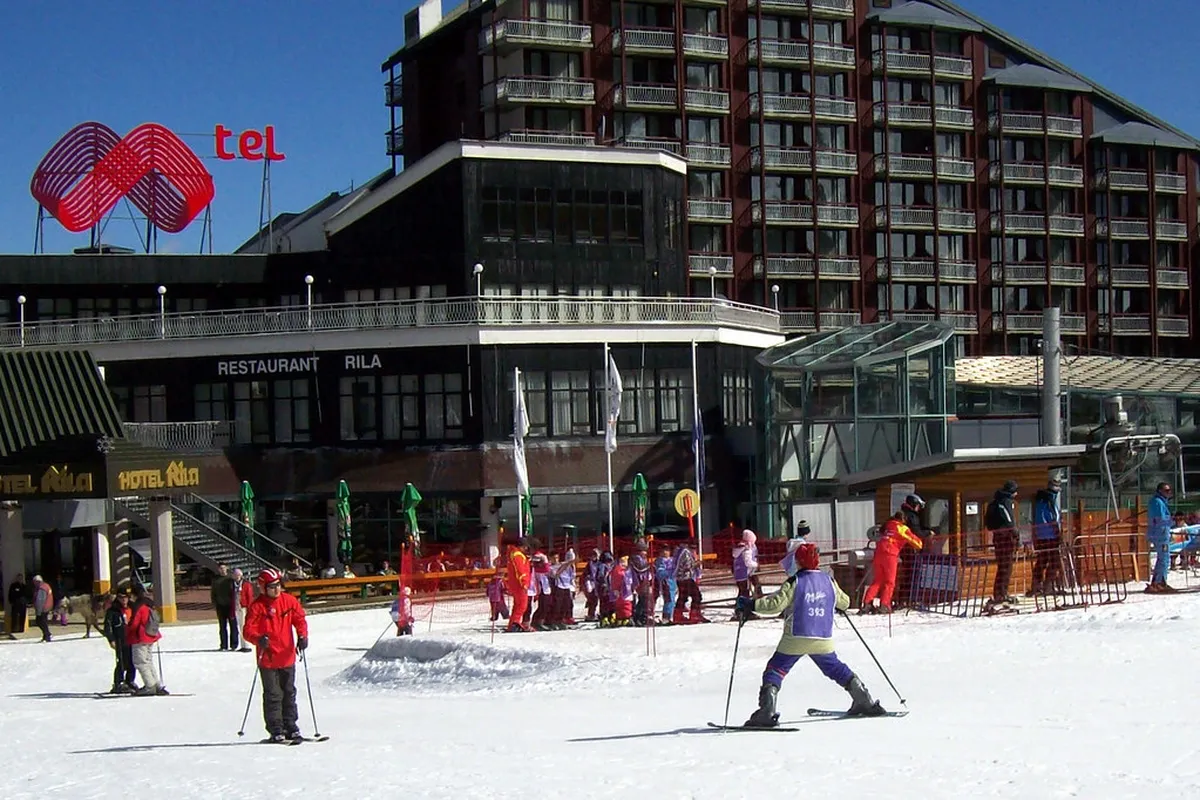
Borovets is Bulgaria's oldest resort and sits in the Rila Mountains only 90 minutes from Sofia. Its 58 km of pistes run through beautiful pine forest and suit intermediate skiers well, though there are green and blue runs for beginners too. The resort is small and easy to navigate. Night skiing is available here, which is genuinely useful for beginners — quieter slopes after dinner mean you can practice snowplow turns without the crowds judging you. You can read more in our 11 Essential Tips for Borovets Ski Resort.
Pamporovo is the gentlest of the three, located in the Rhodope Mountains with mostly green and blue runs across 36 km. Its more southerly position means lots of sunshine but a shorter season than Bansko. The slopes are less crowded and the atmosphere is quieter and family-focused, which makes it the safest choice for absolute beginners who want to build confidence without feeling rushed.
Bansko Ski Holiday: How Much Does it Cost
Bulgaria maintains a reputation for being one of the most budget-friendly ski destinations in Europe, but "cheap" needs some qualification. For a skiing Bulgaria on a budget package including flights, transfers, and accommodation, you can expect to pay around 400–700 Euros for a full week. That is still well below equivalent Alpine trips, but the gap has narrowed over the last few years.
Lift passes in Bansko are the biggest variable. In the 2024–25 season a six-day adult pass cost around 635 lev (roughly €324), which is comparable to a similarly-sized Alpine resort. Equipment hire is where Bulgaria pulls ahead: six days of ski, boot, and pole rental runs around 185 lev (€95), versus €159 or more at a typical French resort like Morzine. Group ski lessons for six half-days cost around €250 in Bansko, while a two-hour private lesson runs approximately €95 — private tuition is actually better value here than in France, so it is worth considering if you want faster progress.
Hidden costs can surprise beginners who are not prepared for mountain life. Locker rentals at the base of the gondola are highly recommended to avoid carrying heavy skis up and down every day; budget a small daily fee for this throughout your stay. Food and drink on the slopes costs roughly double what you pay in town — a beer on the mountain runs about 6 lev (€3) versus 3 lev (€1.50) in a town center bar. Eating lunch in a Mehana down in Bansko old town rather than a slope-side restaurant is the single easiest way to cut daily spending.
Mountain-side food and drink prices are roughly double town rates. A beer costs €3 on the slopes versus €1.50 in town, and slope-side lunch is significantly pricier than a Mehana in the old town. Locker rentals at the gondola base are essential to avoid carrying skis all day and add a small daily fee — budget accordingly.
Bansko Ski Holiday for Beginners: What to Expect
Your daily routine will likely start at the main gondola station in the town center. This area can become very congested during the peak morning rush between 08:30 and 10:00. Arriving by 08:00 is the single best piece of advice for beginners — the queue for the gondola can stretch to two hours during peak weeks in February, and spending your first morning standing in the cold before you have even put on your skis is a miserable way to begin. The gondola ride itself takes about 30 minutes and gives you spectacular views of the Pirin peaks.
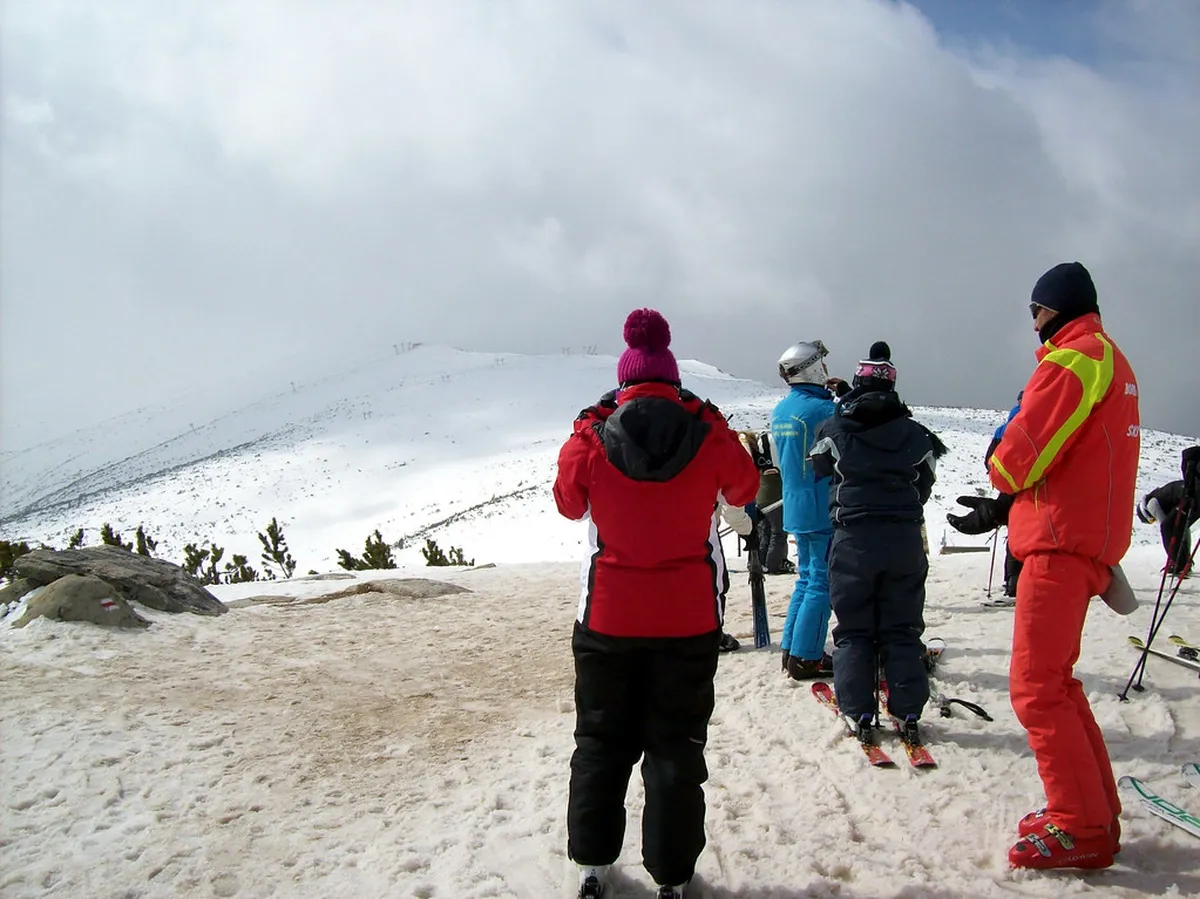
One thing that catches newcomers off guard is the altitude. Bansko's ski area starts at around 2000 metres, and some first-timers feel unusually breathless or tired on their first morning before their body adjusts. Drink more water than you think you need, take it easy on day one, and do not push into harder runs until day two when you will feel noticeably sharper. This is not a weakness; it is basic altitude physiology and even experienced skiers factor it in.
Bansko's ski area sits at 2000–2500 metres. First-timers often feel breathless or unusually tired on their first morning as their bodies adjust to the altitude. This is normal — drink plenty of water, take it easy on day one, and avoid harder runs until day two when you'll feel sharper. Even experienced skiers account for this.
Ski schools in Bansko generally run morning sessions from 10:00 until early afternoon. Groups are organized by ability level so you learn at a comfortable pace. Most instructors focus on the snowplow technique and basic turning during the first two days on the nursery slopes near the top gondola station. The instructors at major Bansko ski schools are all English-speaking — this is the standard at every school, not just the premium ones, so you will not struggle to follow instructions.
The 'Snow Road' is a famous seven-kilometre blue run that leads from the top station back into town. It sounds like a natural way to end the day, but be warned: by late afternoon it becomes icy, heavily trafficked, and far more challenging than its blue rating suggests for tired legs. If you are not confident by the end of your third day, take the gondola back down rather than risking a fall on a crowded run in fading light.
How About Après-Ski – Is It All Stag Dos and Shots?
Bulgaria has a reputation for wild nightlife, and in Bansko that reputation is earned — stag parties are a real presence on the slopes in peak season. But the reality is much more varied than the stereotype suggests. While party bars exist near the gondola, there are many quiet venues perfect for a relaxed après-ski in Bansko evening.
For a more authentic experience, visit a traditional Bulgarian tavern known as a Mehana. These venues offer a rustic atmosphere, live folk music on some evenings, and hearty local dishes at very reasonable prices. Mehanas are far more family-friendly than the loud bars near the Glazne street strip, and you will often find the food significantly better than slope-side options. See a Bulgarian Food Guide for recommended dishes to order.
If you prefer a quieter base for your entire stay, look for accommodation slightly away from Glazne street. Many boutique chalets offer a peaceful retreat after a long day on the mountain — the Snomads chalets in the Old Town area are a good example of hosted, eco-conscious lodging with a more convivial atmosphere than an anonymous hotel. Pamporovo is worth considering if you want to avoid the party scene entirely — its nightlife is genuinely low-key, with a selection of family-friendly restaurants and a quieter overall pace.
Best Time to Visit Bansko
Timing your trip is crucial for ensuring good snow conditions and manageable crowd levels. January offers the most reliable snow and cooler temperatures, but avoid the first week of the month when Bulgarian public holidays push locals onto the slopes. The middle two weeks of January are consistently the quietest and best-value period of the entire season.
February is the busiest time of the year due to European school mid-term breaks. Lift queues can be very long and accommodation prices reach their peak. If you must travel in February, book your ski school and rental equipment well in advance — the best schools fill up, and turning up without a reservation means joining a random group at whatever level has space. March offers longer days, warmer temperatures, and better deals. Many beginners find March more comfortable because softer afternoon snow is gentler on the knees.
Late March and early April can be excellent for those who enjoy spring skiing. Snow becomes soft and slushy in the afternoons, which is actually easier for beginners than firm groomed pistes. Flights and hotels drop in price significantly after the school holiday crush ends. Always check the official resort calendar for current lift closing dates, as Bansko typically runs into late April in good snow years.
Bansko Ski Holiday: What to Do in Bansko That Doesn't Involve Skis
Taking a rest day is smart planning rather than giving up. Beginner muscles take a serious beating in the first few days and a recovery day mid-week often means you finish the trip stronger than if you had skied every single day. The village of Banya, about 15 minutes from Bansko, has natural thermal mineral springs with outdoor hot pools that are exactly what aching legs need. Many hotels offer shuttle services there for a small fee.
Bansko's Old Town is a UNESCO World Heritage Site that rewards a few hours of exploration. Cobblestone streets lead past 19th-century stone houses, the Holy Trinity Church, and small museums covering the region's history. The contrast between the old town's calm atmosphere and the busy gondola area is striking — it is easy to forget you are in a ski resort at all. A free walking tour runs most afternoons and covers the main landmarks in about 90 minutes.
Ice skating is available right in the heart of the resort on one of the largest outdoor rinks in Bulgaria. The rink stays open into the evening and rental skates are available on-site. For those in the group who do not ski at all, this plus the old town and the thermal springs make a full non-skiing day without any effort. The 11 Best Smaller Ski Resorts in Bulgaria and Planning Tips around the Rhodope region are also worth a day trip if you have a hire car.
Are the Facilities Any Good?
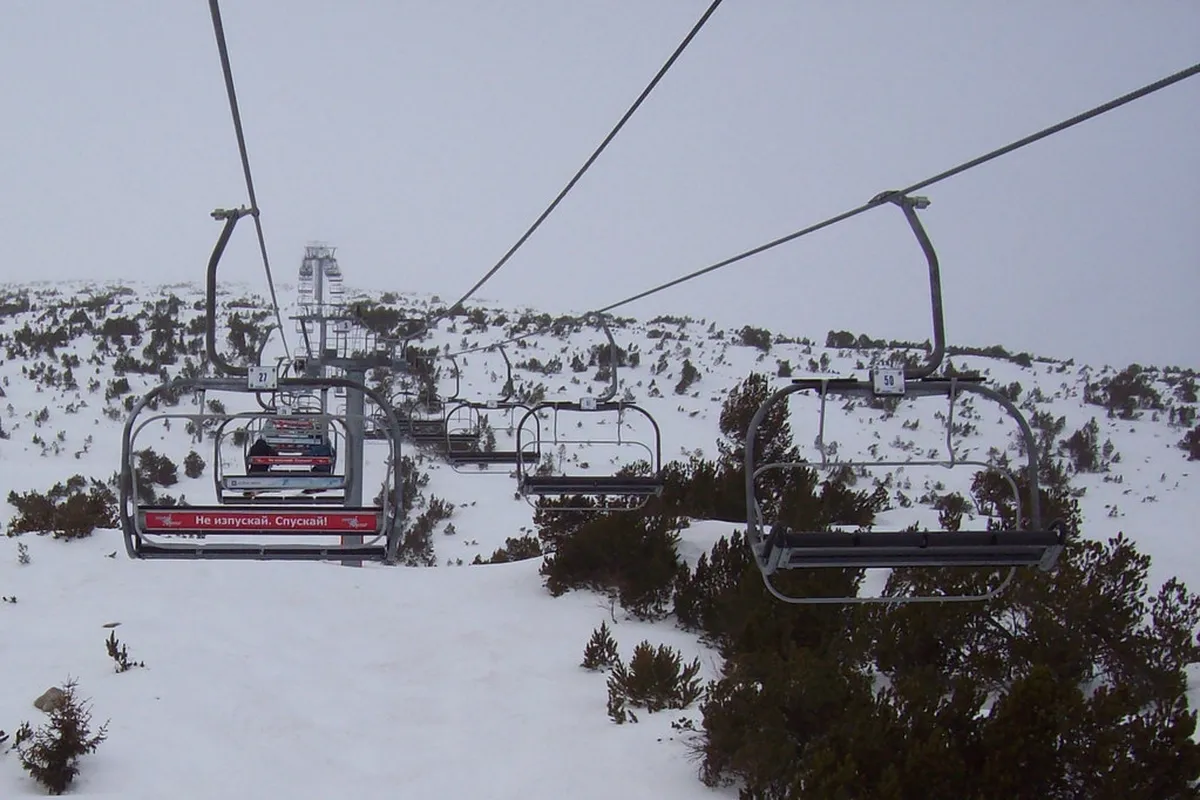
Bulgaria has invested heavily in modernizing its ski infrastructure over the last decade. Bansko features a high-speed eight-seater gondola and several modern chairlifts with weather covers. The resort has been hosting World Cup races, which prompted further investment in piste preparation and snow-making. The main runs stay open even in lean snow years because of the extensive artificial snow capacity.
The gondola is both the best and the most frustrating part of the Bansko experience. It is fast and comfortable, but the single gondola station is a bottleneck during peak mornings. This is a genuine infrastructure limitation — Bansko has not added a second entry point. If queues bother you, plan your mountain day around the shoulder hours: on the mountain by 08:00 and back down before 15:00 before the return rush builds.
For accommodation, the range runs from budget apartments to five-star hotels. The Kempinski Grand Arena sits directly next to the gondola and offers ski-in ski-out access and a world-class spa. Safety standards are high across all three major resorts: nursery slopes are kept separate from the main runs, trails are well-marked, and mountain rescue teams are active and well-equipped. Electronic boards at lift stations display real-time weather and wind data — always check them before heading to higher elevations.
What's Bulgarian Food and Drink Like?
Bulgarian cuisine is hearty, flavorful, and perfect for cold winter days. Start your morning with a Banitsa — a flaky filo pastry filled with eggs and white cheese that is the standard Bulgarian breakfast. You can find fresh Banitsa at small bakeries throughout the town center for around 1–2 lev. It is far better value than the pastries served at slope-side cafes.
Kavarma is a popular main course consisting of slow-cooked meat and vegetables in a clay pot. The rich sauce provides solid fuel for another day on the snow. Shopska salad — tomatoes, cucumbers, peppers, and crumbled white brine cheese — is the ubiquitous side dish and genuinely refreshing alongside heavier meat dishes. The Mehanas in Bansko Old Town serve both dishes at prices roughly half what you pay on the mountain.
Bulgaria also produces excellent local wines that are very affordable — a bottle of quality red costs around 10–15 lev (€5–8) in a restaurant. Red varieties like Mavrud pair well with grilled meats and slow-cooked stews. Rakia, the local fruit brandy, is typically served as a complimentary appetizer in traditional Mehanas. It is very strong, so treat it as a ritual rather than a warm-up for a night out unless you have no skiing plans the following morning.
How to Get to Bansko and Getting Around
Sofia Airport is the main entry point for all three Bulgarian ski resorts. Bansko is about 160 km from Sofia — a transfer of roughly two hours by road. Budget airlines including easyJet, Wizz Air, and Ryanair all serve Sofia from major UK and European cities. Flights from London in January can be found for €35–50 each way, though checked baggage adds to the cost if you are bringing your own ski kit.
Private transfers from Sofia Airport to Bansko are the most comfortable option for groups and cost significantly less than equivalent transfers in the Alps. Public buses run from Sofia to Bansko but have limited timetables, so they work best if you plan around early morning arrivals. If you book a chalet with a host company like Snomads, airport transfers are typically included in the package price, which removes the logistical headache entirely.
Borovets is only 90 minutes from Sofia and is the easiest resort to reach under your own steam. Pamporovo is 1.5 hours from Plovdiv, which has its own airport with flights from some European cities. For anyone staying a full week, hiring a car gives you the flexibility to take day trips to Banya, visit the Rila Monastery, or move between resorts — though it is not necessary if you plan to stay put in one village.
Frequently Asked Questions
How cheap is skiing in Bulgaria?
Skiing in Bulgaria remains very affordable compared to Western Europe. You can expect to pay around 400 to 700 Euros for a full week, including rentals and passes. Check our timing your Bulgarian ski trip guide for the best value dates.
Is skiing in Bulgaria just for beginners?
While Bulgaria is famous for beginners, it also offers challenging red and black runs. Advanced skiers enjoy the off-piste opportunities in the Pirin Mountains when conditions are right. However, the infrastructure truly shines for those learning the basics of the sport.
Are the facilities any good?
The facilities in major resorts like Bansko and Borovets are modern and well-maintained. You will find high-speed lifts, extensive snow-making, and professional ski schools. The infrastructure has seen significant investment to meet international standards over the past decade.
Bulgaria is an excellent destination for your first ski trip due to its low costs and great instructors. By choosing the right resort and timing, you can enjoy a stress-free introduction to winter sports. Remember to book your essentials early to secure the best prices for your 2026 holiday. The mountains are waiting to provide you with an unforgettable winter experience.