8 Key Differences: Borovets vs Bansko (2024 Guide)
Choosing between Borovets vs Bansko? Compare ski terrain, lift pass costs, transfer times, and nightlife to find the best Bulgarian resort for your trip.
On this page
8 Key Differences: Borovets vs Bansko
Choosing between Borovets and Bansko is the first real decision every first-time skier in Bulgaria faces. Both sit inside the top tier of the best ski resorts in Bulgaria, yet they serve very different types of travellers. This guide cuts through the noise and gives you a direct comparison across terrain, cost, accommodation, transfer times, and nightlife so you can book with confidence for the 2026 season.
Bansko sits in the Pirin Mountains in southern Bulgaria — a UNESCO-listed old town wrapped around a modern gondola base. Borovets sits in the Rila Mountains, roughly 73 km southeast of Sofia, and was purpose-built on the French ski village model. For more context on Bulgaria as a winter destination, see the official Bulgaria tourism guide. The two resorts look similar on paper but feel completely different on the ground.
Resort Vibe: Modern Town vs. Purpose-Built Forest Base
Borovets is a compact forest village designed entirely around skiing. Almost every building you see — hotel, bar, ski rental — exists to serve the slopes. The base area is tight and walkable, and the pine trees give it a classic alpine feel that feels genuinely cosy in heavy snowfall. There is very little reason to leave the resort centre during your stay.
Bansko combines a modern ski base with a living, working Bulgarian town that predates the lifts by several centuries. The old town centre is 2–3 km from the gondola station, which means you need a minibus or taxi to get between your mehana dinner and the slopes. That distance is also why the atmosphere feels richer — there are neighbourhoods, churches, markets, and residents who have nothing to do with skiing.
Bansko has become one of the better-known digital nomad hubs in Europe. Fast fibre internet, cheap monthly rents, and a tight coworking community make it a year-round destination for remote workers who ski in the mornings and take calls in the afternoon. Borovets closes down almost completely after the ski season ends in April, so it has no comparable off-season scene. If you are combining work and skiing, Bansko is the only viable choice.
Ski Terrain: Piste Variety and Off-Piste Potential
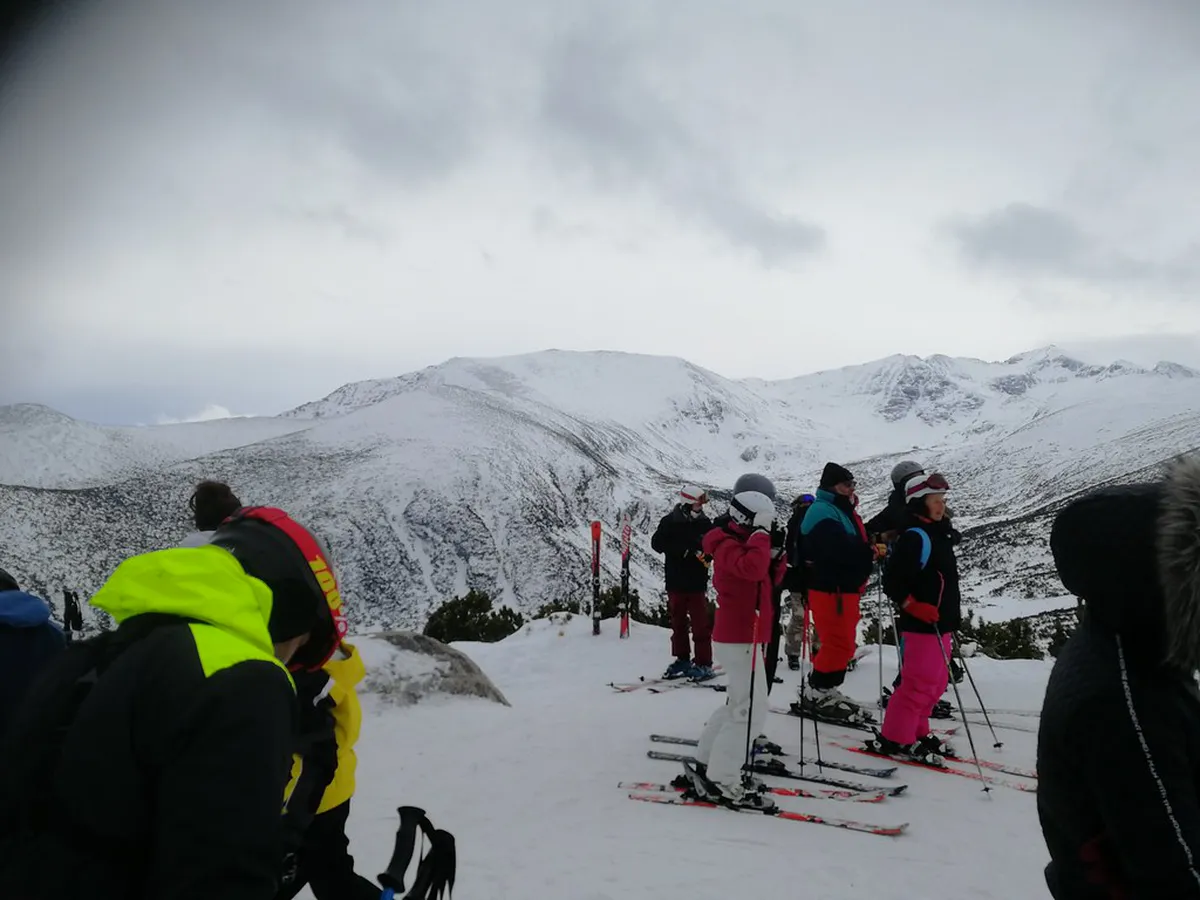
Bansko has 65 km of marked pistes spread across a concentrated ski area that is easy to navigate in a single day. The mountain tops out at around 2,600 m, with the Todorka peak offering the most demanding runs. Approximately 44% of the terrain is classified easy, 38% intermediate, and 9% difficult — a good spread for mixed-ability groups. Snow cannons cover around 90% of the slopes, which keeps conditions reliable from December through to late March even in low-snowfall years.
Borovets has 58 km of runs split across three separate ski areas: Yastrebets, Sitnyakovo, and Markudjik. The three zones are interconnected, though the connections involve some flat traverses where you will need to use poles. The Markudjik area sits high enough to hold reliable powder and its wide, open runs make it one of the better entry-level off-piste zones in Bulgaria — even beginner freeriders can safely explore here with a guide. The Yastrebets zone carries the steepest blacks and has a natural half-pipe used by the local snowboarding community.
Snowboarders and freestyle riders tend to prefer Borovets. The snowpark is better equipped than Bansko's small park, which has four rollers and a handful of boxes and rails. Borovets also benefits from being close to Sofia, which draws a strong snowboarding crowd from the capital on weekends. Bansko suits pro skiers better because of its altitude, reliable snow cover, and the FIS World Cup races held on the Tomba run — a demanding black that sharpens your edge work.
One decisive advantage Borovets holds: night skiing. Several main runs in the Yastrebets area are floodlit and open until 22:00. Bansko has no comparable night skiing. If you want to maximise slope time on a short trip, this matters significantly.
Lift Infrastructure and the Gondola Queue Problem
The gondola queue in Bansko during peak school holiday weeks — particularly late January and February half-term — is the resort's most-discussed drawback. Waits of 60–90 minutes at the main gondola station are common between 09:00 and 10:30. The practical fix is simple: be at the gondola by 08:15. That one habit eliminates most of the wait. Some hotels in the ski base area also offer private shuttle access to higher lift stations, bypassing the ground-floor bottleneck entirely.
Once past the gondola, Bansko's upper mountain has modern high-speed chairlifts that move people efficiently. The on-mountain flow is good once you are up. Borovets does not have a single notorious bottleneck in the same way, but the three-zone structure means you will occasionally need to traverse flat sections or take short shuttle buses between zones when snow coverage is thin in the connecting runs — most common in March and April.
Bansko has newer lift infrastructure overall. Borovets is gradually upgrading its fleet but several chairlifts remain older and slower than what you find in Bansko's upper mountain. Both resorts use hands-free electronic passes loaded onto a card at the ticket office — no paper tickets to manage.
Accessibility: Transfer Times from Sofia Airport
Borovets is 73 km from Sofia Airport and takes around 90 minutes by road in normal winter conditions. It is the closest major ski resort to the capital, which makes it the default choice for a long weekend or a mid-week break. Shared shuttle buses depart from the airport arrivals area from around €9 per person. A private taxi for two to four people typically costs €40–55. Booking transfers in advance through a tour operator or shuttle company is significantly cheaper than arranging a taxi on arrival.
Bansko is approximately 160 km from Sofia and takes just over two hours by car in good conditions, longer in heavy snow. Most of the drive runs on the E-79 highway, which is well-maintained. Shared shuttle buses cost around €12–14 per person each way. Daily transfers from Sofia to Bansko run several times in the morning to meet flight arrivals. Private transfers for a group of four cost approximately €80–100 each way. The extra hour each way does not feel significant over a seven-day stay but adds real friction to a three-day trip.
Borovets is also accessible from Plovdiv Airport — around 144 km away — if you are arriving on a Ryanair or Wizz Air flight that lands there rather than Sofia. Factor this in when comparing total travel time, not just resort-to-Sofia distance.
Cost Comparison: Lift Passes, Food, and Accommodation
A daily adult lift pass at Bansko costs around €48 in the 2025/26 season. A six-day pass brings the daily rate down significantly. Borovets daily passes are slightly cheaper at approximately €45. Both resorts offer junior and senior discounts of 30–50%. Equipment hire runs €15–20 per day in both resorts, with discounts for multi-day bookings, and private lesson rates sit at roughly €25–35 per hour — far below equivalent rates in France or Austria.
Food and drink prices are broadly similar between the two resorts and cheap by Western European standards. A local beer costs €2–4. A full mountain lunch with a beer comes to around €12–16 per person. A sit-down dinner in a mehana tavern — with soup, grilled meat, bread, and a litre of house wine — rarely exceeds €20 for two. Bansko town has a wider range of restaurant options spread across the old town, while dining in Borovets is concentrated near the base area and can feel slightly overpriced relative to what you get.
Accommodation costs more in Borovets, paradoxically, because the resort has fewer hotels and apartments and demand is focused on a small footprint. Bansko has a large surplus of apartments and hotel rooms — a legacy of an overbuilt construction boom in the 2000s — which keeps prices competitive. Budget chalets and self-catering apartments in Bansko can be found for €30–50 per room per night. In Borovets, similar quality costs €45–65. Check out this Bulgaria Ski Holidays for more detailed budget planning by trip length.
Accommodation: Ski-In/Ski-Out vs. the Shuttle Bus Reality
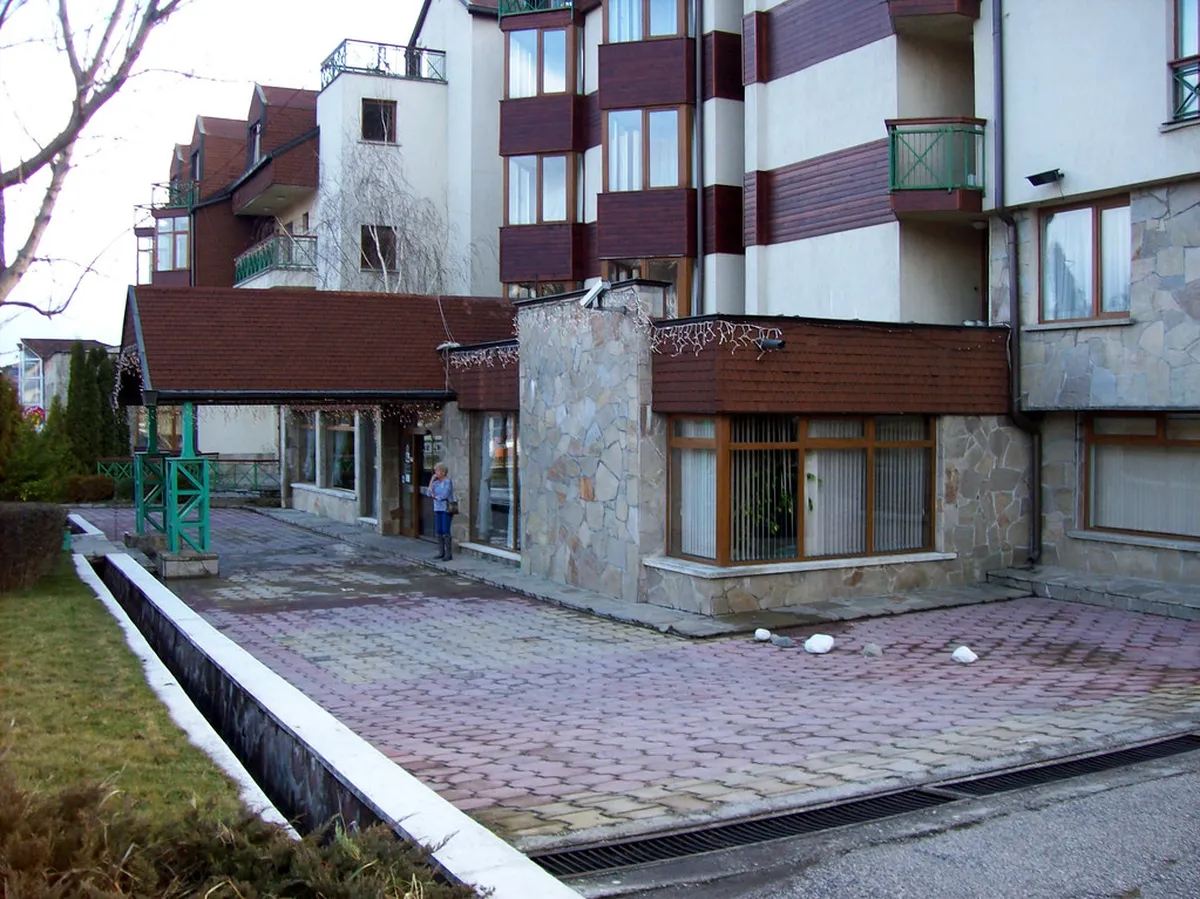
Borovets was designed on the French ski resort model, which means nearly every hotel in the resort sits within a short walk of the lifts. The Rila Hotel, the most prominent property in the resort, is effectively ski-in/ski-out. You can step outside, click into your bindings, and be on the chairlift within five minutes of leaving your room. There is no shuttle bus dependency, no lugging gear across town, and no logistical gap between hotel and slope.
Bansko is more complicated. Hotels in the ski base area — the newer development close to the gondola station — are convenient and some are genuinely ski-adjacent. However, many of the better-value apartments and hotels are in the old town or mid-town, 2–3 km from the gondola. Guests in these properties depend on a free resort minibus that runs on a timetable, or they hail taxis at around €5 for the journey. During peak season, the minibus can be crowded and slow. Budget travellers who pick the cheapest apartment they find on a booking platform without checking its location sometimes find themselves spending 20–30 minutes in transfer each direction every day.
The practical rule: if you are staying in Bansko, spend a few extra minutes filtering accommodation results by distance to the gondola. Properties within 500 m of the Gondola Base Station (Gondolata) eliminate the shuttle problem entirely. In Borovets, this is not a concern regardless of where you book.
Borovets wins for convenience: Ski-in/ski-out access from nearly every hotel, zero shuttle dependency, and just 90 minutes from Sofia Airport. Ideal for families with young children and weekend warriors.
Apres-Ski: Party Scenes and Traditional Dining
Bansko earns its reputation as the livelier resort. Locals have nicknamed it the "Frozen Sunny Beach" — a comparison to Bulgaria's famously rowdy Black Sea party strip. Bars, nightclubs, and restaurants are scattered across both the ski base area and the old town, so the evening options span from loud techno clubs to quiet candlelit mehanas. The variety is genuinely hard to beat at this price point in Europe.
Borovets concentrates its nightlife into a single bar street near the resort base. There are a handful of lively pubs, a small nightclub, and a few pizza spots, but the choice runs out quickly. The upside is compactness — everything is a short walk from your hotel room, which suits early risers who want to be first on the lifts. Apres-ski in Borovets is better understood as a couple of beers in the bar nearest your hotel rather than a structured night out.
For traditional Bulgarian dining, both resorts have mehanas serving shopska salad, kavarma, tarator, and grilled meats. In Bansko, the old town mehanas are significantly better — warmer, more authentic, and less tourist-facing than the ones near the gondola base. Ask at your hotel for a recommendation away from the main tourist strip; Bansko locals eat at three or four places that rarely appear on tourist maps. In Borovets, the town of Samokov is only 10 km away and has excellent traditional restaurants that see almost no foreign visitors — worth the short taxi ride if you want to eat well without paying resort premiums.
The Borovets Advantage: Rila Monastery on the Same Trip
This is the angle almost nobody mentions when comparing the two resorts, but it changes the calculus for a certain type of traveller. Rila Monastery — Bulgaria's most-visited cultural site and a UNESCO World Heritage property since 1983 — sits 25 km southwest of Borovets. The drive from the resort takes under 40 minutes on a clear day. That proximity makes it entirely realistic to ski in the morning, check out of your hotel at noon, and spend two to three hours at Rila Monastery before your transfer back to Sofia Airport.
The monastery was founded in the 10th century by the hermit monk Ivan of Rila. The main church is covered in vivid frescoes that fill every centimetre of the exterior arcade. The courtyard alone justifies the visit. There is a bakery on site and a small museum inside the tower. Entrance to the church and grounds is free; the museum charges a small fee. From Borovets, a private taxi to the monastery and back costs around €30–40 for the vehicle.
You cannot do this from Bansko without significantly backtracking toward Sofia — the monastery is roughly 130 km from Bansko by road, which is a three-hour round trip. For travellers who want to combine skiing with a genuine piece of Bulgarian history in a single efficient itinerary, the Borovets-Rila Monastery pairing is one of the most underused combinations in Bulgarian winter tourism. No comparable short-drive cultural anchor exists near Bansko, though Bansko's own old town does fill some of that role.
Bansko for nightlife, Borovets for rapid access: Bansko's extra 90 minutes each way (160 km vs 73 km) feels significant on short 3-day trips but disappears on 7+ day stays. The Rila Monastery proximity (40 min from Borovets vs 3 hours from Bansko) adds real value to a combined cultural itinerary.
Best Fit: Families, Beginners, Snowboarders, and Digital Nomads
Beginners do better in Borovets if they want a low-pressure, compact environment where the ski school is steps from the hotel. The nursery slopes are right at the resort base, so there is no scary gondola ride before your first lesson. However, Borovets has only one dedicated beginner run — everything else escalates to intermediate or harder. Bansko offers more beginner-friendly piste variety once you are past the gondola, and the ski schools have more instructors with more availability during peak weeks.
Families with young children tend to benefit from Borovets for short trips. The compact layout means less walking with ski boots, children's nurseries are right at the base, and the 90-minute transfer from Sofia is far more manageable with tired toddlers than a 2.5-hour journey. Bansko suits families better for week-long trips, where the greater variety of non-ski activities — mineral hot springs, ice skating, snowshoeing, the old town — provides meaningful recovery days when legs give out mid-week.
Snowboarders and freestyle riders should lean toward Borovets. The snowpark is more developed, the community around it is stronger, and night sessions until 22:00 stretch a short trip significantly. Advanced skiers chasing challenging terrain and reliable conditions from December through April should pick Bansko — the altitude, snow cannons, and FIS-calibre runs on Todorka justify the longer transfer.
Digital nomads have only one real answer: Bansko. The coworking infrastructure — dedicated coworking spaces, fast fibre internet, an established international community — does not exist in Borovets. Several Bansko coworking venues have operated for years and attract a mix of developers, designers, and freelancers from across Europe who treat the ski season as a working winter retreat.
The Verdict
Bansko is the stronger resort for most travellers on a standard week-long ski holiday. The terrain is better connected, the accommodation is cheaper, the nightlife is richer, and the cultural depth of the old town adds a dimension that Borovets simply cannot match. The gondola queue is a real inconvenience but a solvable one: arrive early or stay ski-adjacent.
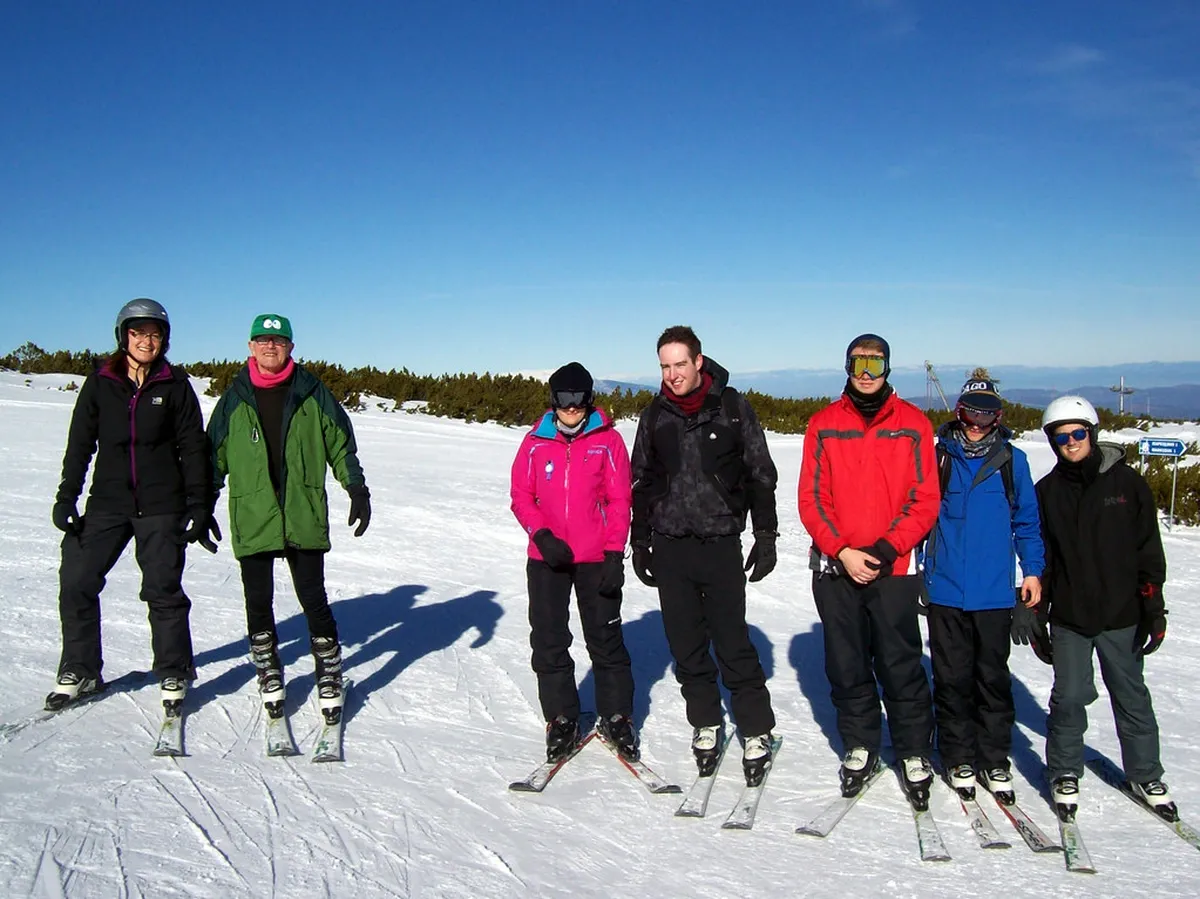
Borovets wins for speed, convenience, and specific use cases. Weekend trips, families with young children, snowboarders, and anyone who wants to pair skiing with a visit to Rila Monastery should put Borovets first. The night skiing alone justifies choosing it over Bansko for short breaks. Both resorts deliver far better value than anything in the Alps at equivalent quality. Read the 11 Essential Tips for Borovets Ski Resort or the Skiing In Bansko Bulgaria to go deeper on whichever resort fits your profile.
Frequently Asked Questions
Is Bansko or Borovets better for beginners?
Borovets is generally better for beginners due to its compact nursery slopes. The ski schools are located right at the base area for easy access. Bansko has good beginner runs but requires a long gondola ride to reach them.
How much is a ski pass in Bulgaria?
A daily lift pass usually costs between $40 and $60 depending on the resort. Multi-day passes offer better value for long stays. Prices are updated annually so check the official resort websites before your visit.
Is there night skiing in Bansko?
No, Bansko does not currently offer night skiing on its main slopes. Borovets is the better choice if you want to ski under the lights. It has several illuminated runs that stay open until late evening.
Choosing between Borovets and Bansko depends on your priorities for the trip. Bansko offers the largest terrain and a beautiful historic town for long stays. Borovets provides unmatched convenience and a cozy forest vibe for short breaks. Both resorts deliver incredible value compared to expensive Western European destinations.
I hope this comparison helps you pick the right Bulgarian peak for your holiday. Pack your goggles and get ready for an amazing winter adventure in the Balkans. Safe travels and enjoy the incredible slopes of Bulgaria this season.