Independent Bulgaria travel guide
Ruse 7-Day Itinerary: A Perfect Guide
Discover the best Ruse itinerary for 2025. This comprehensive 7-day guide includes essential travel tips and a day-by-day plan. Start planning now!
On this page19 sections
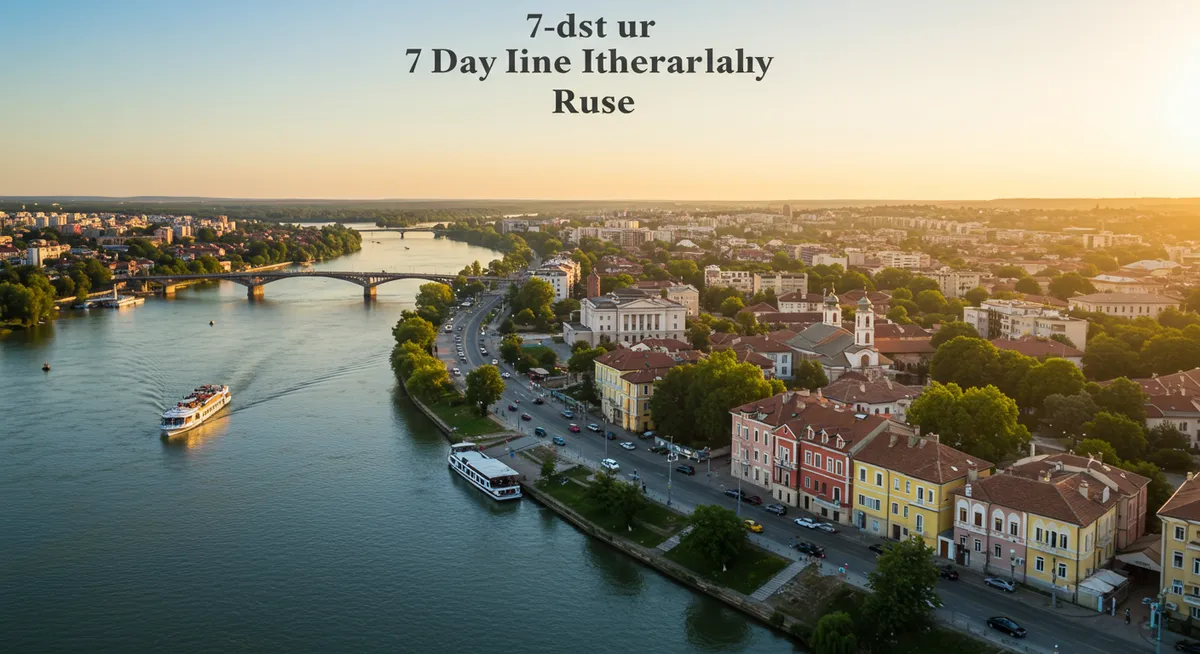
Seven days is more time than central Ruse alone needs, so this 2026 plan treats the city as your base for three days of in-town exploration and four days of day trips by train, bus, and car across northern Bulgaria and southern Romania. You will work through Little Vienna's Habsburg-era core, the Danube riverfront, the Rusenski Lom canyon and Ivanovo Rock Churches, then cross the Friendship Bridge to Bucharest, ride south to Veliko Tarnovo, and head east to the Srebarna biosphere reserve near Silistra. The full guide also covers transport, where to sleep, when to come, and what changed for travelers now that Bulgaria has adopted the euro and joined Schengen. For shorter visits compare this with our Ruse 1-Day Itinerary, the Ruse 2-Day Itinerary, the Ruse 3-Day Itinerary, and the master Ruse Itinerary hub.
What Changed for Ruse Travelers in 2026
Two recent shifts make older 7-day Ruse guides out of date. First, Bulgaria adopted the euro on 1 January 2026, replacing the lev (BGN) at the locked rate of 1.95583 BGN to 1 EUR. All prices in this guide are in euros; you will still see dual pricing in shops and restaurants through 2026, and ATMs dispense euros only. Second, Bulgaria joined the Schengen Area in full on 1 January 2025, so the Friendship Bridge crossing between Ruse and Giurgiu (Romania) now has no passport check for travelers moving inside Schengen. Customs spot checks remain.
Practically, this means a Romania day trip from Ruse is faster than it has ever been: the Ruse-Giurgiu commuter train takes about 30 minutes and costs roughly 5 EUR one way, and the BG1/Trans Bus services to Bucharest no longer queue at the bridge. Bring a card; most cafes, the regional museum, and the Ivanovo site take contactless. For longer-distance bus tickets to Veliko Tarnovo or Sofia, BGRazpisanie and the BDZ rail app both let you pay in euros without a Bulgarian SIM.
💡 Good to know: ATMs in Ruse now dispense euros only, but you will still see dual lev-and-euro pricing on shop and restaurant tags throughout 2026 — check which currency a printed menu quotes before you do the math. The cafes, the Regional Historical Museum, and the Ivanovo site all take contactless, so a tap-to-pay card covers almost everything except trolleybus and Ivanovo shuttle fares, which are still cash.
For a quick visual sense of the in-town highlights you will cover across the week, this short Ruse travel guide walks through the city's top sights:
How to Get to Ruse
Ruse sits on the Danube directly opposite Giurgiu, Romania, which puts Bucharest's Henri Coanda airport (OTP) closer than Sofia. From OTP a private transfer runs about 75 to 95 EUR for the 75-minute drive; shared shuttles and the Bucharest-Ruse bus via Autogara Filaret add an hour but cost 12 to 18 EUR. The Friendship Bridge is the only road crossing, so check live traffic on summer Sundays when Romanian beach traffic backs up.
From inside Bulgaria, Ruse Central Railway Station has direct trains to Sofia (about 6 hours, 18 to 22 EUR), Varna (4.5 hours, 12 EUR), and Gorna Oryahovitsa (1.5 hours, the transfer point for Veliko Tarnovo). Buses from Sofia run roughly hourly with Trans Bus and Etap Address, take 4.5 hours, and cost 18 to 24 EUR. Drivers from Sofia should budget 4 hours via the A2 Hemus motorway; the final stretch east of Pleven is two-lane and slow at night. For the cross-border commuter train see our Friendship Bridge Ruse-Giurgiu crossing guide.
How to Get Around Ruse
Central Ruse is small enough that most of days 1 to 3 happen on foot. Svoboda Square to the Danube riverfront is a 10-minute walk; everything between Aleksandrovska Street, Sveti Nikola, and the Pantheon is inside that radius. Trolleybuses 9, 13, and 24 cover the longer hops to the bus station and the eastern hotels; a single ride is about 0.80 EUR paid in cash to the conductor.
Taxis are cheap and metered. The fair starting tariff in 2026 is around 0.55 EUR plus 0.55 EUR per kilometer; insist on the meter and ignore unmarked cars at the train station. For day trips a rental car (35 to 55 EUR per day from the airport or city center) makes Rusenski Lom, Basarbovo, and Srebarna far easier than relying on rural buses, but you do not need one for Bucharest or Veliko Tarnovo. See Transportation in Ruse, Bulgaria for current operator contacts.
Where to Stay for a 7-Day Base
For a week-long trip prioritize a base inside the pedestrian zone between Svoboda Square and the Danube; you will leave from and return to the same hotel five times, so location matters more than amenities. The Tsentar (center) district puts you within five minutes' walk of breakfast, the bus stops to Ivanovo, and the night-train platform. Boutique stays such as Hotel Anna Palace (1880s townhouse, period rooms, riverview suites) and Splendid (1930s Modernist landmark on Aleksandrovska) run 70 to 110 EUR per night in shoulder season and include breakfast. Both have lifts, both speak English at reception, and both can store luggage on departure day.
Mid-range chains and family-run guesthouses cluster along Borisova and Aleksandrovska for 45 to 70 EUR; Cosmopolitan Hotel and Riga Hotel are reliable mid-tier picks. Budget travelers should look at hostels near the train station from 18 EUR a dorm bed (English Hostel and Center Hostel both have private rooms from 35 EUR), but the 15-minute walk in after late buses is unlit and crosses an underpass; consider a 4 EUR taxi instead. Riverside options near Park na Mladezhta and Hotel Riga offer Danube views and free parking but add 20 minutes to every itinerary day; only worth it if you have a rental car. Avoid the eastern industrial district near Ruse East station entirely; cheap on paper, isolated in practice. Compare neighborhoods in detail in Best Areas to Stay in Ruse (2026 Guide) or browse Best Neighborhoods in Ruse guide for a planner-style overview.
When to Visit Ruse
Late April through mid-June and September through mid-October are the strongest windows. Daytime highs sit between 18 and 26 C, the Rusenski Lom hiking trails are dry, and the Danube stays low enough for boat tours. The annual March Music Days festival (mid-March to early April) fills the Dohodno Zdanie's program with European orchestras and is worth scheduling around if classical music interests you.
July and August are hot (regularly 33 to 37 C), and the riverfront has little shade between 12:00 and 16:00; plan museum visits for those hours. Winter from late November through February brings fog off the Danube and occasional snow that closes the Ivanovo access road; if you visit then, swap day 4 for an indoor day at the Regional Historical Museum and the Ecomuseum aquarium. Seasonal alternatives are detailed under Things to Do in Ruse in Spring guide and in fall.
Day Trips from Ruse at a Glance
Four of the seven days in this plan are day trips, which is exactly what most people search for when they look up Ruse — the city makes a far better base than it does a single destination. The table below compares each excursion built into the week so you can swap days around the weather, the season, or your own pace. Every distance, duration, and price is the same figure used in the day-by-day plan below.
| Day Trip | Distance / Time / Cost |
| Ivanovo Rock Churches and Cherven (Day 3) | Bus 35 min then 4 km walk; ~2.50 EUR; UNESCO frescoes, limited to 30 visitors |
| Bucharest by cross-border train (Day 4) | 2 h 15 min; ~12 EUR one way; no passport stop inside Schengen |
| Veliko Tarnovo and Arbanasi (Day 5) | 2 hours; ~9 EUR Trans Bus; Tsarevets Fortress opens 09:30 |
| Srebarna and Silistra (Day 6) | 120 km / 1 h 45 drive or 3 h bus; ~11 EUR; longest day, ~11 h door-to-door |
| Basarbovo Rock Monastery (Day 7) | 10 km, bus 16 in 40 min; 1.20 EUR; Bulgaria's only working rock monastery |
💡 Good to know: If you only have time for one day trip, the Bucharest run delivers the most for the least effort — the cross-border train takes just 2 hours 15 minutes, costs about 12 EUR each way, and crosses the Friendship Bridge with no passport check now that both countries are inside Schengen. Booking a private Bucharest tour instead can cost 180 EUR, so the train is the single biggest saving of the week.
Day 1: Little Vienna on Foot
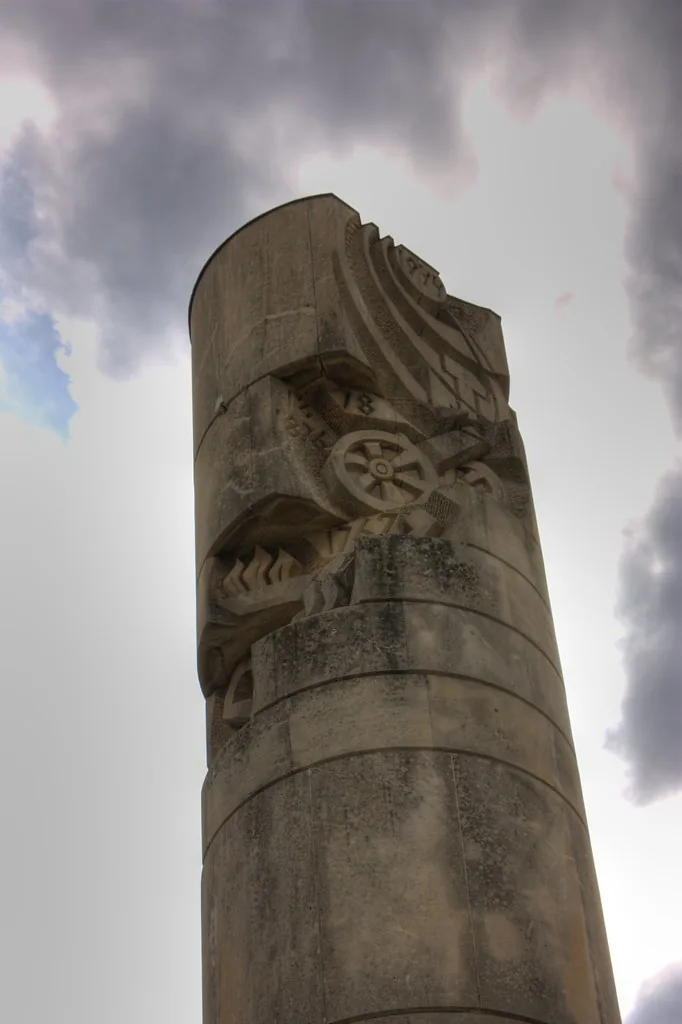
Start at Svoboda Square (Liberty Square) under the Monument of Liberty by Arnoldo Zocchi, unveiled in 1909 and still the city's most photographed landmark. From there work the perimeter clockwise: the Dohodno Zdanie Visitor Guide (Profit-Yielding Building), the National Bank facade, and the eclectic apartment blocks that earned Ruse its Little Vienna nickname. Most of the surviving Habsburg-era ensemble was built between 1880 and 1910 by Italian and Austrian architects who arrived after the Liberation, and the density on Aleksandrovska Street rivals Plovdiv's Kapana for compact walking interest. Allow two hours just for the square and the first 400 meters of Aleksandrovska, with stops to read the bilingual heritage plaques on each building.
For lunch, Mehana Chiflika and Strandjata serve full Bulgarian sets (shopska salad, kebapche, mish-mash) for 10 to 14 EUR per person; both have shaded courtyards and English menus. In the afternoon visit the Sveta Troitsa cathedral, sunk three steps below street level under Ottoman-era building rules that forbade churches from rising above mosques, and the Catholic Church of St. Paul of the Cross with its Gothic Revival spire and pipe organ (free recitals run Wednesdays at 18:00 May to September). End at Park na Mladezhta for sunset over the Danube and the Friendship Bridge; bring a layer because the river breeze drops the apparent temperature 4 to 5 degrees after dusk. For a tighter version of this day see Downtown Ruse.
Day 2: History, Sexaginta Prista, and the Pantheon
Spend the morning at the Regional Historical Museum inside the former Battenberg Palace, built in 1882 as the residence for Bulgaria's first prince. The Borovo silver Thracian treasure (4th century BC, five gilt-silver vessels found together in 1974) and the Roman lapidarium are the highlights; the museum runs a 1.5-hour visit comfortably. Entry is 6 EUR, the audioguide is 2 EUR extra and worth it because Bulgarian labels still dominate. The basement archaeology hall has Neolithic finds from the Rusenski Lom canyon that connect directly to your day 3 trip.
Walk down the bluff to the Sexaginta Prista Roman fort ruins on the riverbank, where 1st-century walls and the small site museum together take 45 minutes; the name means "sixty ships" and refers to the imperial Danube flotilla once stationed here. After lunch on Aleksandrovska, head to the Pantheon of National Revival Heroes Visitor Guide in Park na Vazrazhdaneto. The gilded dome over the crypt of 453 revolutionaries is striking, and a guided tour (in Bulgarian and English) is included with the 5 EUR entry. The crypt holds the bones of Lyuben Karavelov, Stefan Karadzha, and Zahari Stoyanov among others, and the upstairs rotunda has a moving eternal flame.
Close the day with the Baba Tonka House Museum on Baba Tonka Street, where the National Revival heroine sheltered four sons who all died in the 1876 April Uprising; entry is 3 EUR and rooms are restored to 1860s condition. For dinner head to Happy Bar and Grill on the riverfront for cheap, reliable Bulgarian-international plates around 12 EUR, or splurge on the river-view terrace at Mehana Leventa for grilled lamb shoulder around 22 EUR. Background reading lives in our 10 Essential Tips for Visiting the Ruse Regional Historical Museum.
Day 3: Rusenski Lom and the Ivanovo Rock Churches
Day 3 is your first day trip but stays inside Ruse province. Take the 8:30 bus from Yug bus station toward Ivanovo (about 35 minutes, 2.50 EUR), then walk or hire the on-site shuttle the final 4 km to the Ivanovo Rock-Hewn Churches. The UNESCO-listed complex of 13th to 14th century cave chapels has the best surviving Tarnovo School frescoes anywhere in Bulgaria; entry is 5 EUR and visits are limited to 30 people at a time, so arrive before 11:00 in summer.
From Ivanovo it is 20 km south to the Cherven medieval fortress, accessible by taxi (15 EUR each way, ask the driver to wait one hour for 25 EUR round trip). Cherven's 14th-century stone tower and ruined bishop's palace sit on a bend of the Cherni Lom canyon and pair naturally with a picnic lunch. Return to Ruse by 18:00. Full hiking and access notes are in our Rusenski Lom National Park Guide: 10 Essential Planning Tips and UNESCO Day Trip from Ruse.
Day 4: Bucharest by Cross-Border Train
Catch the BDZ-CFR commuter train from Ruse Central at 06:30 or 09:50 across the Friendship Bridge to Giurgiu Nord, then transfer to the Romanian local up to Gara de Nord (total 2 hours 15 minutes, about 12 EUR one way). Schengen entry into Romania means no passport stop, but conductors do walk the carriages with handheld scanners and will ask for ID. The train crosses the bridge in five minutes and gives you the best free Danube view of the trip; sit on the right side outbound. In Bucharest spend the morning at Palatul Parlamentului (book the 60-minute tour online for 10 EUR; the standard tour covers four state halls, the optional underground extension adds 5 EUR and 30 minutes) and walk the Lipscani old town for lunch at Caru' cu Bere or any of the smaller covrigi shops on Strada Smardan.
The afternoon belongs to Calea Victoriei: the Romanian Athenaeum (free to look inside the lobby, 8 EUR for a concert in the evening), the Revolution Square balcony where Ceausescu gave his last speech on 21 December 1989, and the National Museum of Art of Romania housed in the former Royal Palace (8 EUR, strong El Greco and Bruegel rooms). If you finish early add the Stavropoleos Monastery, a tiny 18th-century Brancoveanu-style church hidden behind Lipscani that sees a fraction of the visitors of the bigger sites. Catch the 17:45 train back and you are eating dinner in Ruse by 21:00. If you would rather drive, our 10 Tips for a 1-Day Ruse to Bucharest Day Trip guide compares train, bus, and car options with current 2026 timings.
Day 5: Veliko Tarnovo and Arbanasi
Veliko Tarnovo, the Second Bulgarian Empire's capital from 1185 to 1393, is two hours south of Ruse. Take the 07:40 Trans Bus from Yug station (around 9 EUR, returns at 17:00 and 19:30) or drive the E85 (105 km, 90 minutes; the road is two-lane and slow behind trucks). Arrive at Tsarevets Fortress Visitor Guide for the 09:30 opening; allow two hours to walk the ramparts, the Patriarchal Cathedral with Teofan Sokerov's controversial 1985 modernist murals (red palette, abstract Christ figures), and the execution rock at the far end where Ottoman authorities reportedly threw boyars to their deaths. Entry is 6 EUR, audio guide 3 EUR.
Lunch on Samovodska Charshia Visitor Guide at Shtastliveca or Hadji Nikoli Inn for traditional plates with a gorge view (15 to 22 EUR); the latter occupies a restored 1858 inn and has the better wine list. Walk down through the artisan workshops afterward; the rose-oil and copper-coppersmith stalls are honest, the icon-painting shops are mostly tourist tat. In the afternoon drive or taxi 4 km to Arbanasi Visitor Guide to see the Konstantsalieva House (5 EUR, restored merchant home with women's quarters intact) and the Church of the Nativity, whose interior is covered floor to ceiling in over 3,500 individual figures painted in the 17th century; entry is 4 EUR and you must buy the photo permit (2 EUR) at the kiosk before entering. Return to Ruse by 19:30. For a deeper dive use our companion Veliko Tarnovo 1-Day Itinerary as a structured plan for the day.
Day 6: Srebarna Biosphere Reserve and Silistra
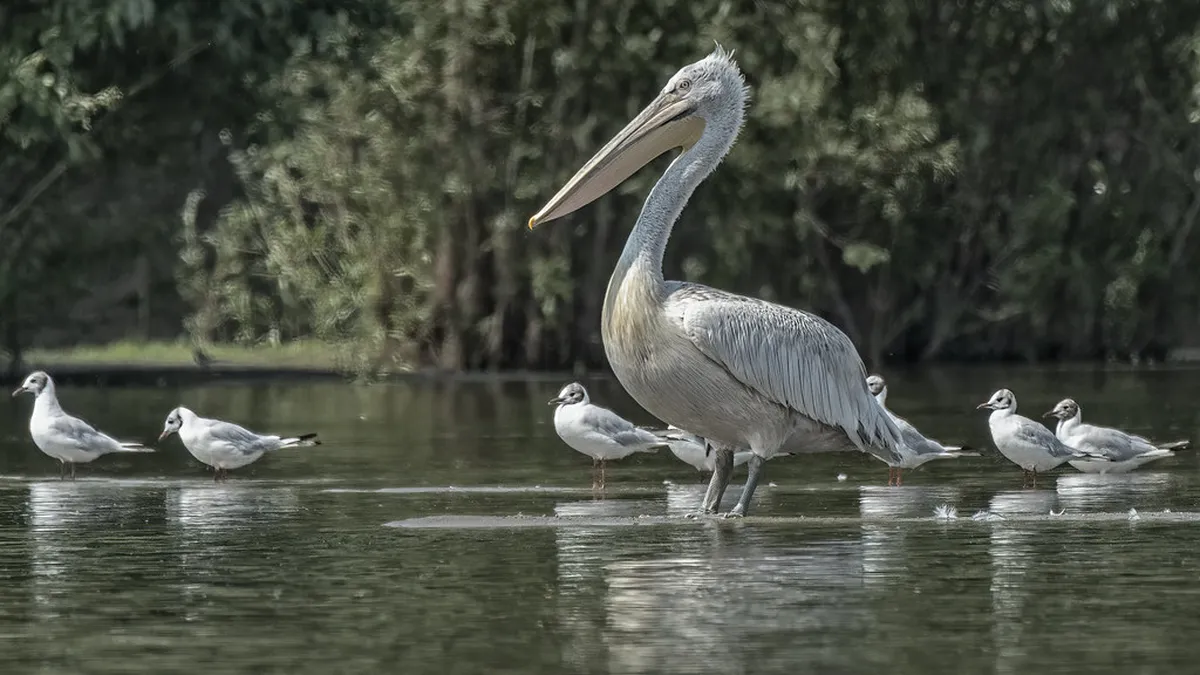
Day 6 heads east along the Danube to a corner of Bulgaria most 7-day guides skip entirely. Drive 120 km on Route 21 (1 hour 45 minutes) or take the 08:00 Yug bus to Silistra (3 hours, 11 EUR) and a local taxi from there for the 18 km hop south to Srebarna village (15 EUR each way, agree on a return pickup time). Srebarna Lake is a UNESCO biosphere reserve and one of Europe's best birding sites: roughly 100 breeding pairs of Dalmatian pelicans (one of Europe's largest colonies), pygmy cormorants, glossy ibis, and white-tailed eagles nest in the reedbeds. Spring migration (late March to mid-May) and autumn (late August to October) are peak; midsummer is quieter but still rewarding. The Natural History Museum on the lake's southern edge (3 EUR entry) has a viewing terrace with telescopes and a webcam feed onto the pelican island; bring binoculars even if you are not a serious birder.
The 6 km loop trail around the lake is flat and well marked, with three observation hides; allow 2 hours including stops. Continue 18 km east to Silistra to see the Roman tomb (2nd century AD, with rare painted hunting frescoes inside one of only a handful of surviving in-situ funerary murals north of the Balkans, 4 EUR; visits are limited to 10 minutes to protect the pigment), the medieval Medjidi Tabia fortress on the bluff above town with a panoramic view across the Danube into Romania, and lunch at the Danube quay where the Bulgarian-Romanian ferry crosses every two hours. Drivers can extend the day with the Tutrakan fishermen's town on the way back, where the riverfront ethnographic museum (3 EUR) shows traditional Danube fishing gear and 19th-century net-mending tools. This is the longest day of the week; budget 11 hours door-to-door and pack a thermos.
Day 7: Basarbovo Monastery and a Slow Riverfront Afternoon
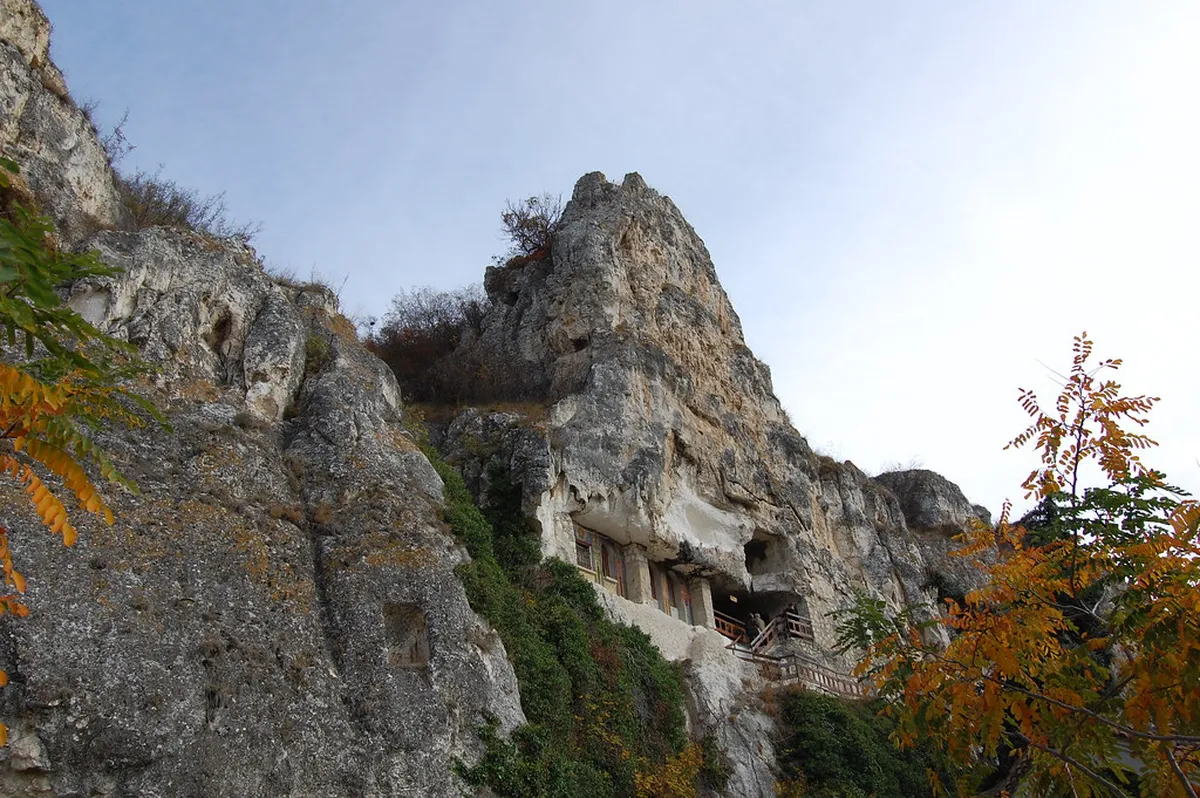
Spend the final morning at the Basarbovo Rock Monastery (St. Dimitar Basarbowski) Visitor Guide, 10 km south of Ruse and reachable by city bus 16 (40 minutes, 1.20 EUR; departs from the Ruse south bus terminal hourly) or a 12 EUR taxi each way. Cut into a limestone cliff above the Rusenski Lom and still inhabited by a small Orthodox community, Basarbovo is the only continuously functioning rock monastery in Bulgaria, with documented occupation since at least the 13th century. The site is associated with St. Dimitar Basarbovski, whose relics were moved to Bucharest in 1774 and whose shrine still draws pilgrims from across Romania each October. The climb up exterior wooden stairs takes 10 minutes and the chapel itself is small but moving, with hand-carved icons and an oil lamp burning year-round. Donations of 1 to 2 EUR are appreciated; modest dress is expected (shoulders covered, scarves available at the entrance). Practical access notes are in our Basarbovo Rock Monastery 2026.
Back in Ruse, lunch at Mehana Leventa on the bluff for a final Danube view (the schnitzel and grilled trout are reliable, 14 to 18 EUR; book ahead on weekends). Use the afternoon to revisit any one site you rushed earlier in the week, browse the souvenir shops on Rayko Daskalov for handmade ceramics and rose-oil products, or join a 1-hour Danube boat cruise from the central pier (15 EUR, four daily April to October at 11:00, 13:30, 16:00, and 18:30). The sunset cruise sells out fastest in July and August, so book at the kiosk by 15:00 the same day. If your departure is the next morning, do laundry in the afternoon; Speed Wash on Borisova does same-day service for 8 EUR a load. End with a sunset drink at one of the riverside cafes (Rio Café and Marabou both pour Bulgarian wine by the glass for 4 EUR) and dinner in the old town at a mehana you have not yet tried. For evening options see Things To Do in Ruse at Night guide or Ruse Nightlife & Evenings.
Budget for a Week in Ruse (Per Person, EUR)
Treat these as 2026 ranges for a couple traveling together; solo travelers add 25 to 35 percent for accommodation. Mid-range guesthouse for 7 nights runs 350 to 500 EUR. Food at three meals per day with one fine dinner totals 140 to 200 EUR. Transport for the day-trip days (cross-border train, two long-distance buses, two local buses) comes to 55 to 80 EUR; add 200 to 320 EUR if you rent a car for days 5 and 6. Site entries for the full week (museums, Tsarevets, Ivanovo, Srebarna, Roman tomb, Palace of Parliament tour) total 45 to 60 EUR.
Total per person, mid-range with no car: roughly 600 to 850 EUR for the week excluding flights. Budget travelers using hostels and skipping the Bucharest tour bring it under 450 EUR; couples wanting the boutique hotels and a rental car land at 1,100 to 1,400 EUR. The biggest single saving is using the cross-border train rather than a private Bucharest tour, which alone can cost 180 EUR.
Food and Drink Highlights to Spread Across the Week
Don't try to compress Ruse's food scene into a single themed day. Spread it across the week so you taste a different dish at each lunch and dinner. The unmissable Bulgarian classics are kebapche and kyufte (grilled minced meat in two shapes, served with shopska salad and a glass of rakia), tarator (cold yogurt and cucumber soup, perfect for July), banitsa (filo pastry with white cheese, eaten for breakfast from any bakery on Borisova for 1.50 EUR), and gyuvech (clay-pot stew of pork, vegetables, and feta). On the Danube, ask for grilled trout or catfish; the river fish at Mehana Leventa and Riboloven Restaurant on the western quay come from the Bulgarian side of the river and are noticeably fresher than what gets shipped inland.
Bulgarian wine deserves attention. The Ruse-area wineries Levent and Sini Briag pour Mavrud (a powerful red native to Thrace), Rubin (an indigenous crossbreed unique to Bulgaria), and Misket Cherven (a fragrant white). Most central restaurants pour by the glass for 3 to 5 EUR. For something stronger, rakia comes in grape (grozdova), plum (slivova), or apricot (kayseva); 50 ml costs around 2 EUR and is meant to be sipped over a full meal, not shot. Skip the imported beer; Kamenitza and Zagorka are local pilsners brewed since the 1880s and run 2 EUR for 500 ml in any mehana. For deeper coverage see Ruse food and drinks.
Adapting the Week for Families, Solo Travelers, and Birders
Families with kids under 10 should swap day 6 (long Srebarna drive) for a half-day at the Ecomuseum and Aquarium near Park na Mladezhta (4 EUR adults, 2 EUR kids; small but well curated, with Danube fish and turtles), then an afternoon boat cruise from the central pier. The Bucharest day is doable with kids if you skip the Palace of Parliament tour (long, no toilets midway) and substitute Cismigiu Park's pedalos and the National Village Museum (Muzeul Satului). The Cherven hike on day 3 is too steep for strollers; do Ivanovo only that day.
Solo travelers will find Ruse exceptionally safe (see Top Safety Tips for Tourists) and budget-friendly: the Yug bus station's hostels and Couchsurfing meetups happen at Cafe Mozart on Aleksandrovska on Thursday evenings. Joining the free Wednesday-Saturday walking tour (tip-based, departs 10:30 from Svoboda Square) is the quickest way to meet other travelers and a local guide who can answer day 5 logistics. For deeper guidance see Solo Traveler’s Guide.
Serious birders should flip days 3 and 6 in spring: do Srebarna early in the week when migration is peaking, then save Rusenski Lom (which hosts Egyptian vultures and saker falcons) for later when local guides have warmed to your visit. The Natural History Museum at Srebarna sells a 5 EUR weekly pass that includes the canyon viewing platform at Cherven, useful if you do both. Bring layered clothing because the lake is 6 to 8 degrees cooler than central Ruse most mornings.
Practical Tips for the 7 Days
- Carry your passport on day 4 even though Schengen has removed routine checks; Romanian transit police still spot-check IDs on trains.
- Download the BDZ Bilet app before day 4 and 5 to skip the cash-only ticket window at Ruse Central.
- Book the Palace of Parliament tour at least 48 hours ahead; walk-in slots sell out by mid-morning in summer.
- Wear ankle-supporting shoes for Cherven and Tsarevets; both have loose stone steps without handrails.
- Tipping in 2026 settled at 8 to 10 percent in restaurants now that the euro is in use; round-up tipping is no longer the norm.
- The Ivanovo cave churches close in heavy rain due to slick paths; have day 3 swap with day 7 if weather is bad.
- Romanian taxi apps (Bolt, Uber) work in Bucharest; in Ruse use Taxi 1311 or the hotel front desk to book.
Is 7 Days in Ruse Too Long?
Central Ruse itself needs about three days, which is why this plan deliberately splits the week into three in-town days and four day trips. Seven days only makes sense if you treat the city as a base rather than the whole trip — and used that way, a full week is not too long at all. It buys you Bucharest, Veliko Tarnovo, the Srebarna pelican colony, and the Ivanovo and Basarbovo rock monasteries without a single hotel change, which is rare value in this corner of Europe. If a week feels like more than you want, the easiest cut is day 6 (the long Srebarna and Silistra run, about 11 hours door-to-door) for a five-day version, or drop both day 5 and day 6 for a four-day city-plus-Bucharest trip. Travelers with only a long weekend should follow the Ruse 3-Day Itinerary instead, which keeps the Little Vienna core and one day trip. The one trip almost nobody regrets adding, even on a short stay, is the half-day cross-border hop to Bucharest, since the train makes it faster than most in-country excursions.
For a different pacing, browse the Ruse 3-Day Itinerary for a long weekend or the main Ruse Itinerary hub for thematic alternatives. Deeper background on the cluster sits in 20 Best Things To Do in Ruse 2026 (Bulgaria's Little Vienna), Best Ruse Day Trips, Ruse experiences, and Ruse culture. With the euro in your wallet, Schengen at the bridge, and a base in Little Vienna, a full week in Ruse in 2026 covers more of northeast Bulgaria than most travelers attempt in two.
Frequently Asked Questions About a 7-Day Ruse Itinerary
Is seven days in Ruse too long?
Seven days works when Ruse is used as a base rather than the only destination. The itinerary spends three days in the city and four days on trips to Bucharest, Veliko Tarnovo, Rusenski Lom, and the Srebarna and Silistra area.
What day trips are included in the week?
The plan includes the Ivanovo Rock-Hewn Churches and Cherven, Bucharest, Veliko Tarnovo and Arbanasi, Srebarna and Silistra, plus Basarbovo Monastery on the final day.
How much does a week in Ruse cost?
The article estimates roughly EUR 600 to 850 per person for a mid-range week without a rental car, excluding flights. Budget travellers can keep the total under EUR 450, while boutique hotels and a rental car raise it substantially.
Do you need a car for this Ruse itinerary?
No car is needed for central Ruse, Bucharest, or Veliko Tarnovo. A rental car makes the rural trips to Rusenski Lom, Basarbovo, and Srebarna easier than relying on limited buses.
When is the best time to spend a week in Ruse?
Late April through mid-June and September through mid-October are the strongest periods, with daytime highs around 18 to 26 degrees Celsius and better conditions for the Rusenski Lom trails.
Filed under
Continue your journey
Related Bulgaria guides
6 Jun 2026
Nikopol Bulgaria Day Trip From Ruse Travel Guide
30 Jul 2026
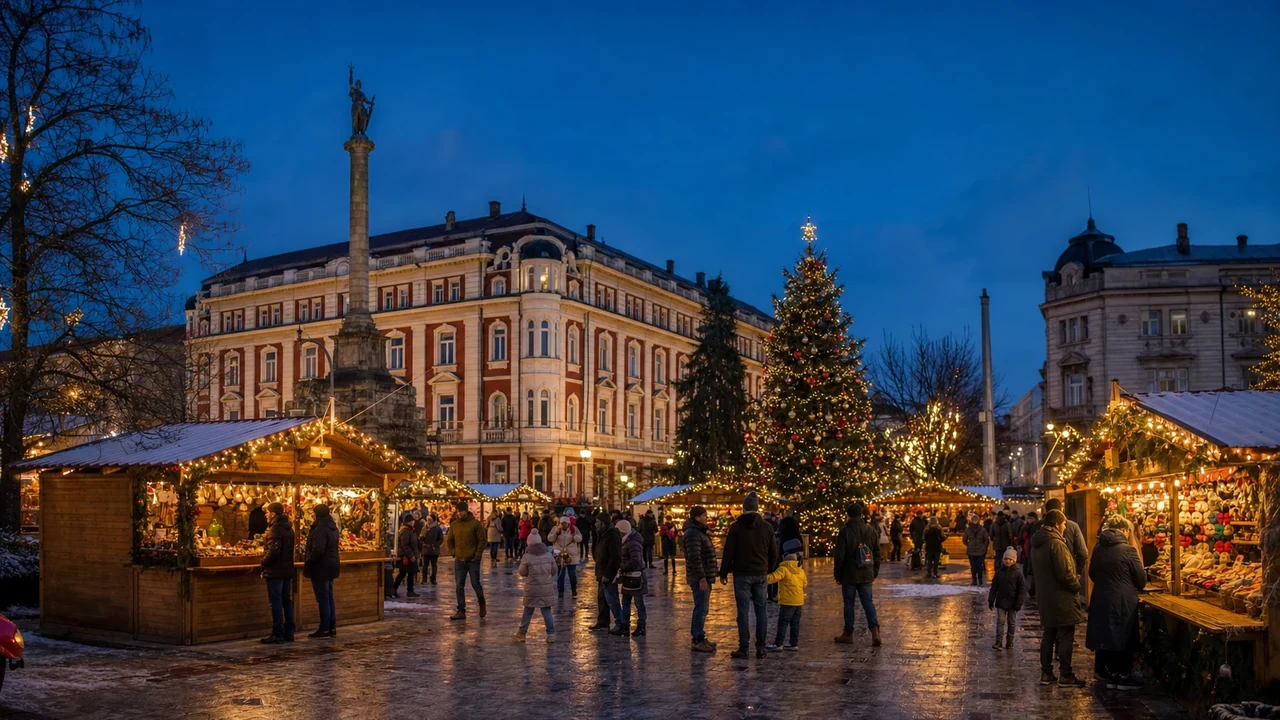
Ruse Christmas Market: 2026 Guide to Dates, Zones and Tips
30 Jul 2026
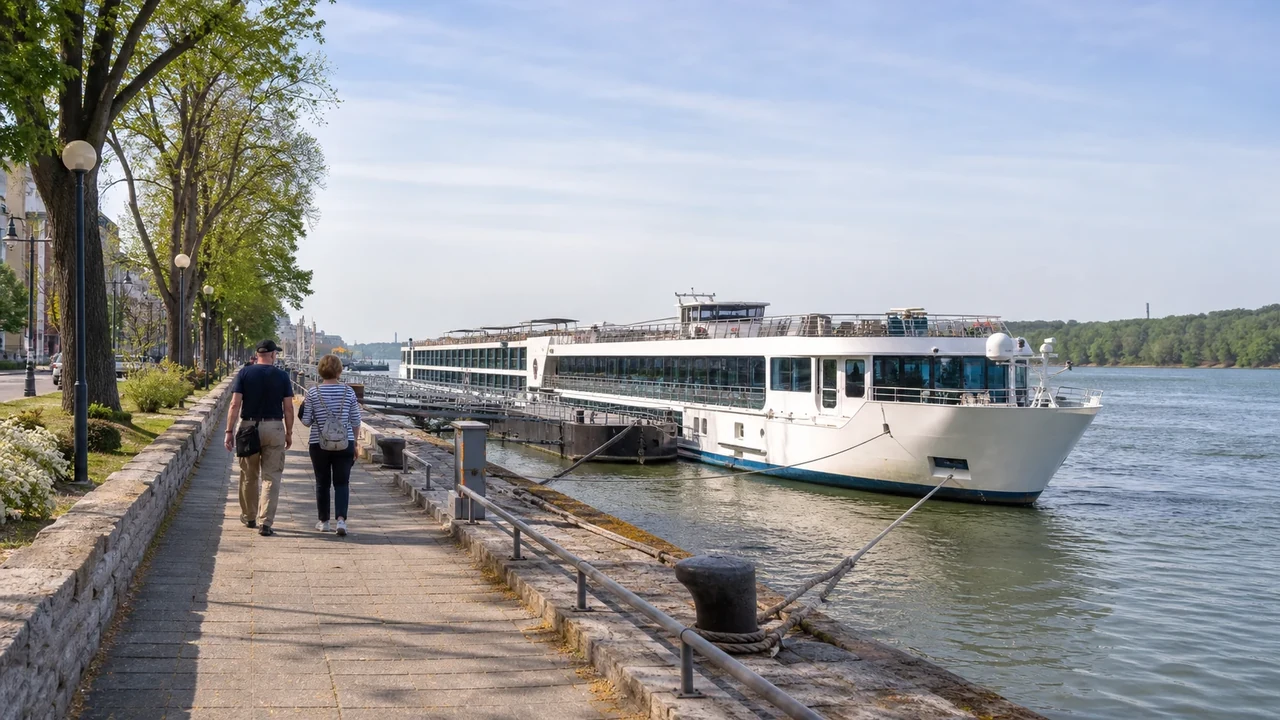
Ruse Danube Cruise Guide: Port Logistics, Excursions & Itineraries
30 Jul 2026
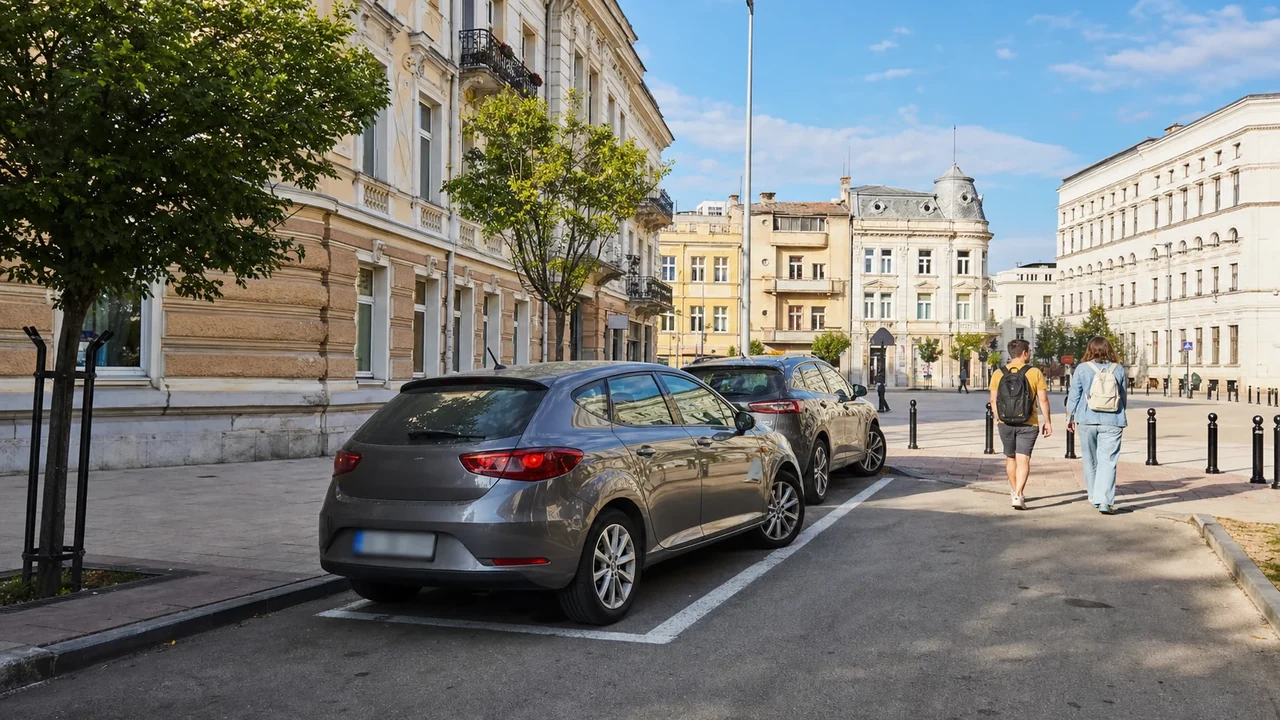
Ruse Parking Guide 2026: Blue Zone Rates, Garages & Free Lots
20 Jul 2026
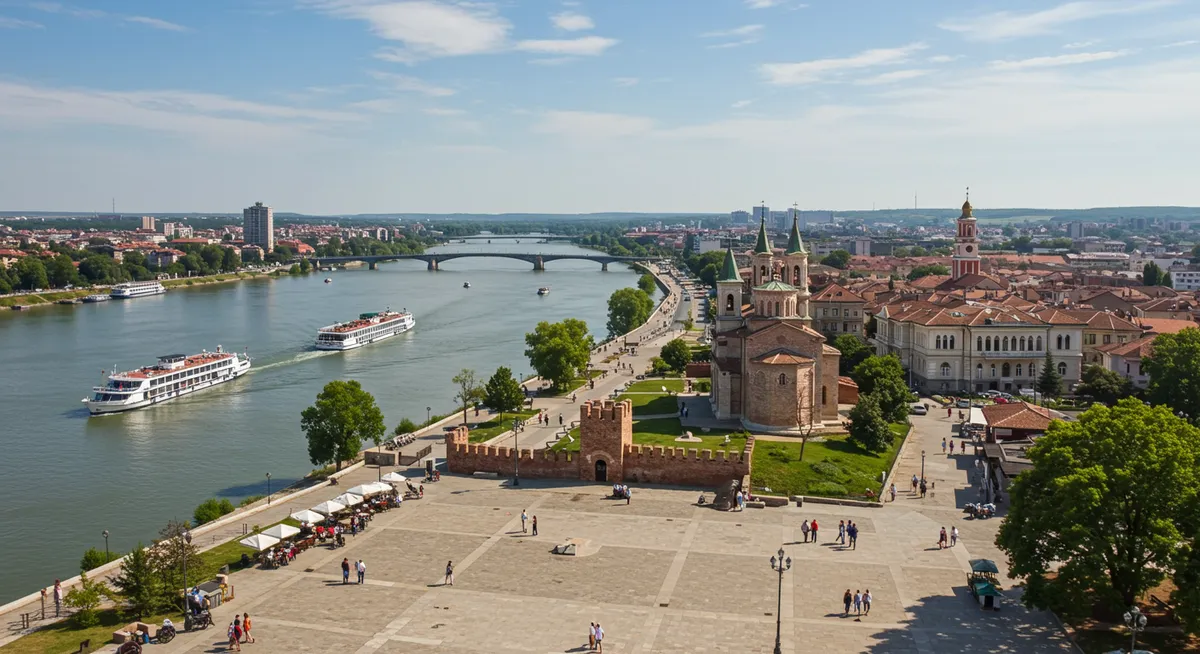
Best Time to Visit Ruse in 2026: Weather, Events and Crowds
17 Jul 2026