Ruse: Top Safety Tips for Tourists
Stay safe in Ruse! Discover essential safety tips for tourists in 2026. Enjoy your trip with our expert advice. A must-read before you go!
On this page
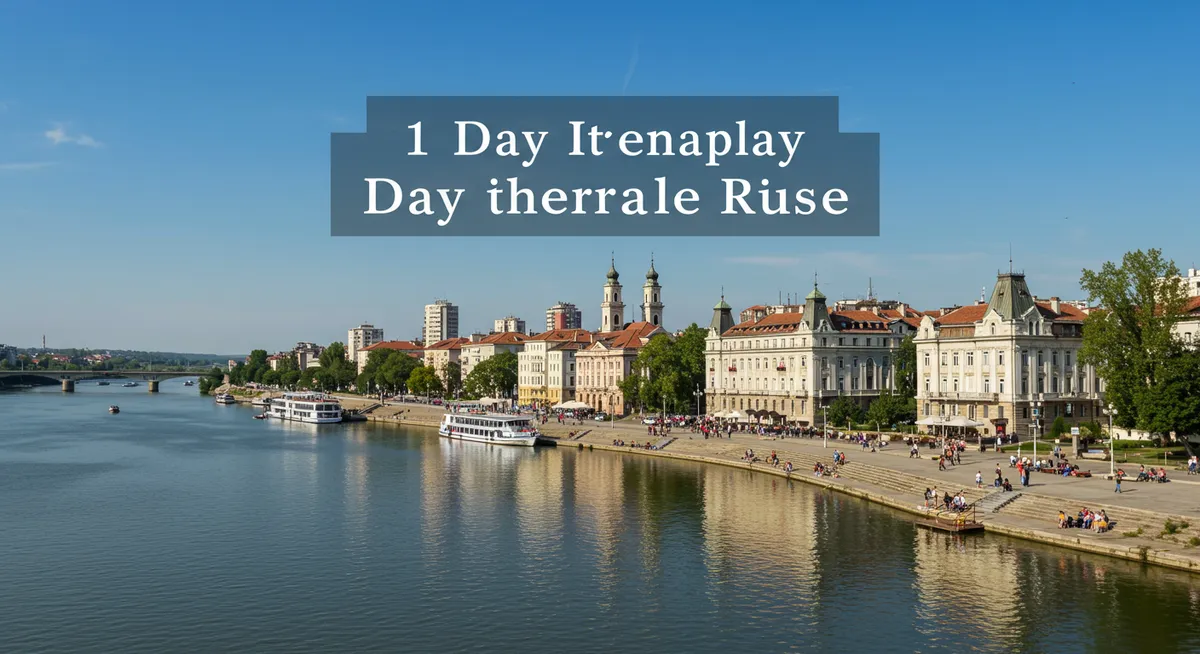
Planning a trip to Ruse, Bulgaria, in 2026? This charming city on the Danube River offers a rich blend of history, culture, and stunning architecture. To ensure a smooth and memorable visit, it's essential to prioritize your safety. Ruse is generally one of the safer mid-sized cities in Bulgaria, with low rates of violent crime against tourists, but the usual urban risks — pickpocketing, taxi overcharging, and the odd late-night incident around bars — still apply. This article provides crucial safety tips for tourists, helping you navigate Ruse with confidence. Whether you're planning a quick visit using our Ruse 1-Day Itinerary, a more extended exploration with our Ruse 3-Day Itinerary or even a full week with our Ruse 7-Day Itinerary, these guidelines will prove invaluable.
Understanding the local environment and taking proactive measures can significantly enhance your travel experience. From choosing the Best Areas to Stay in Ruse, figuring out Transportation in Ruse, checking out some of the Things to do in Ruse, and experiencing the best Ruse Experiences, this guide prepares you for a secure and unforgettable adventure in Ruse.
💡 Good to know: Is Ruse safe for tourists? Yes — Ruse is one of the safer mid-sized cities in Bulgaria, with low rates of violent crime against visitors. The realistic risks are petty ones: pickpocketing in crowded spots, taxi overcharging, and the occasional late-night incident near bars. Memorise the single emergency number 112 (English-speaking operators, 24/7) and you've covered the essentials.
1. Stay Aware of Your Surroundings
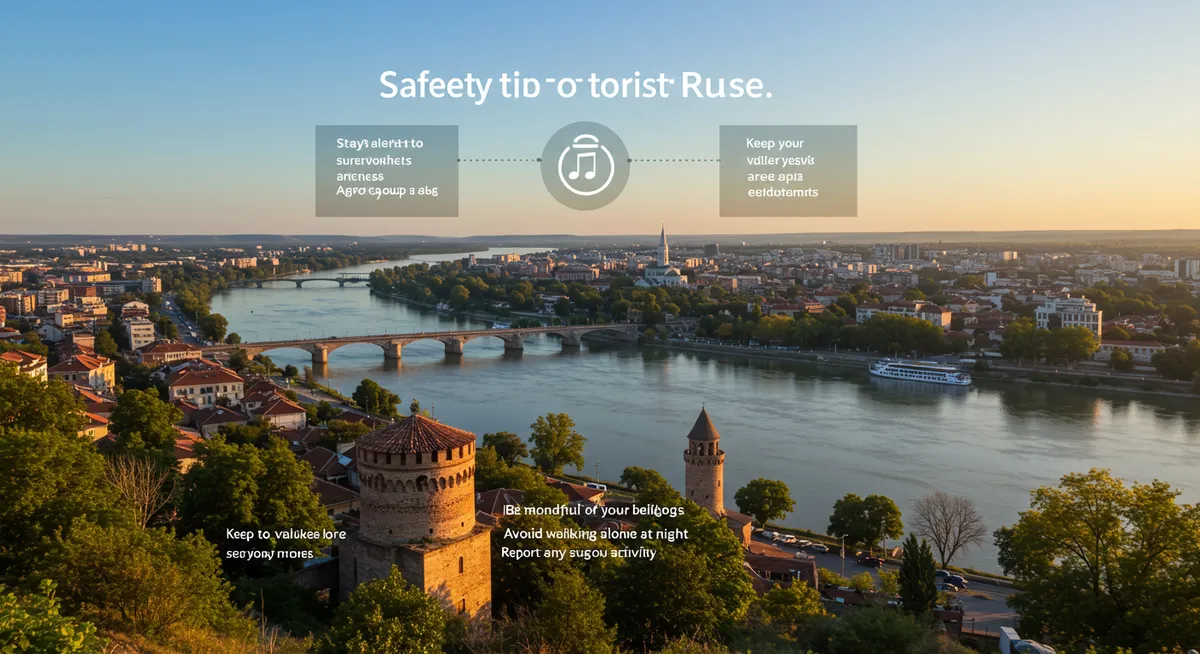
When exploring Ruse, maintaining awareness of your surroundings is key to ensuring a safe and enjoyable trip. As with any travel destination, being vigilant can help prevent potential issues. Pay attention to the people around you and avoid walking in dimly lit or deserted areas, particularly at night. Be mindful of your belongings, especially in crowded tourist spots like Freedom Square (Ploshtad Svoboda), the pedestrianized Aleksandrovska Street, and around the central bus and train stations where pickpockets are most active. Keeping your phone and wallet out of sight can deter petty theft. Familiarize yourself with the local areas you plan to visit. For example, exploring Best Areas to Stay in Ruse in advance helps you understand the environment. By staying alert and informed, you can better navigate Things to do in Ruse with confidence and enhance your overall experience. Consider exploring Ruse Adventures during the daytime to get a feel for the city before any evening outings.
If you want a feel for the city's layout and main sights before you arrive, this short guide walks through the highlights you'll be navigating safely:
2. Secure Your Valuables Properly
Protecting your valuables is crucial for a worry-free trip in Ruse. To minimize the risk of theft, always keep your belongings secure and out of sight. When exploring the city, consider using a concealed money belt or a cross-body bag to keep cash, cards, and important documents safe. Avoid displaying expensive jewelry or electronic devices unnecessarily, especially in crowded areas. When you are at your accommodation, use the safe provided to store passports, extra money, and other valuables. Being proactive about securing your valuables allows you to fully enjoy Things to do in Ruse and Ruse Landmarks without constantly worrying about your belongings. This simple precaution significantly enhances your overall safety and peace of mind during your visit to Ruse.
3. Utilize Reputable Transportation Options
When navigating Ruse, it's essential to prioritize your safety by choosing reputable transportation options. Stick to licensed taxis or well-known ride-sharing services to avoid potential scams or unsafe situations. Public transportation, such as buses and trolleybuses, is generally safe and reliable; however, always be mindful of your belongings. Before getting into a taxi, confirm that the driver is using a meter or agree on a fare in advance to prevent overcharging — the standard daytime tariff in Ruse should be around 1.00–1.20 BGN per kilometre. Reputable local operators include Taxi Ruse and Eco Taxi; avoid unmarked cars idling outside the train station. Furthermore, consider using apps or services recommended by your hotel or local tourist information centers. To learn more, consider reading about Transportation in Ruse. By making informed choices about how you get around, you enhance your overall travel experience and minimize risks. These safety tips for tourists in Ruse ensure a smooth and secure visit. Planning your routes ahead of time can also save time and reduce the likelihood of getting lost or ending up in unfamiliar areas.
4. Plan Your Transportation To and From Ruse Ahead of Time
When visiting Ruse, Bulgaria, arranging your transportation in advance is essential for a smooth and secure travel experience. Knowing how you'll arrive and depart will minimize stress and potential risks. Research and pre-book reliable options like private transfers or reputable taxi services, particularly if you're traveling from Bucharest or other nearby cities. Planning ahead ensures you avoid informal or unverified transport, which may not adhere to safety standards. For example, you might want to explore Transportation in Ruse. Consider booking your airport or bus station transfers in advance to guarantee timely pickups and drop-offs. Moreover, having a clear plan helps you allocate your time effectively, allowing you to focus on enjoying the Things to do in Ruse. Remember, preparation is key to a safe and enjoyable visit to Ruse.
5. Crossing the Danube: Friendship Bridge and Border Safety
Ruse sits directly on the Bulgaria–Romania border, and many visitors arrive or leave via the Danube Bridge (Most na Druzhbata, the "Friendship Bridge") connecting Ruse with Giurgiu. Even though both countries are in the EU and, since March 2024, in the Schengen area for air and sea travel, the Ruse–Giurgiu land crossing still operates with passport checks at the time of writing in 2026. Carry your passport (an EU national ID also works for EU citizens) within easy reach and keep a printed copy of your travel insurance and accommodation booking — Bulgarian and Romanian border officers occasionally ask.
If you drive across, you'll need a Bulgarian e-vignette and a Romanian rovinieta, plus a small toll for the bridge itself (around 6 EUR / 12 BGN per car, payable in either currency on the Bulgarian side). Queues can stretch to two hours on Friday evenings and Sunday afternoons, especially in summer. Avoid crossing on foot in winter — the bridge has a narrow, exposed walkway and no shelter. For coach and minibus passengers, all luggage typically gets a quick visual inspection; do not carry parcels for strangers, a common scam used to plant contraband across the border.
6. Be Cautious with Nighttime Activities
When exploring Ruse after dark, exercise extra caution. Stick to well-lit and populated areas like Aleksandrovska Street and the riverside Park na Mladezhta, as these tend to be safer. Avoid walking alone, especially in unfamiliar neighborhoods, and steer clear of the underpasses near the train station after midnight. It's always a good idea to plan your evening activities in advance and inform someone of your whereabouts. Be wary of accepting drinks from strangers, and keep a close eye on your belongings — drink-spiking is rare in Ruse but not unheard of in the busier nightclubs. While Ruse is generally safe, being vigilant can prevent potential issues. You might want to check out some safe and popular things to do in Ruse during the daytime to get a better sense of the city before venturing out at night. Knowing best areas to stay in Ruse can also help you choose safer locations for your nighttime strolls.
7. Learn Basic Bulgarian Phrases
Knowing a few basic Bulgarian phrases can significantly enhance your safety and overall experience while traveling in Ruse. Simple phrases like "Hello" (Zdravei), "Thank you" (Blagodarya), and "Excuse me" (Izvinete) can go a long way in building rapport with locals. Understanding how to ask for help or directions in Bulgarian can be invaluable in case of emergencies. It's also wise to learn key phrases related to safety, such as "Help" (Pomosht) and "I need a doctor" (Imam nuzhda ot lekar). Note that Bulgarian uses the Cyrillic alphabet, so most street signs and bus destinations in Ruse appear in Cyrillic only — downloading an offline Cyrillic keyboard or a translation app like Google Translate (with the Bulgarian pack pre-loaded) before you arrive will save you a lot of friction. Also remember the famous Bulgarian quirk: a head shake means "yes" and a nod means "no," which can cause confusion when asking for directions or confirming a price. Consider exploring Ruse Culture to get more context. This proactive approach ensures you can communicate effectively and confidently, making your trip both safer and more enjoyable.
8. Keep Emergency Contacts Handy
Ensuring you have quick access to emergency contacts is crucial for your safety while exploring Ruse. The single pan-European emergency number 112 works for police, fire, and ambulance throughout Bulgaria, with English-speaking operators available 24/7 — this is the only number you really need to memorise. Direct lines also exist if you prefer: police 166, ambulance 150, and fire 160. The main public hospital is University Hospital "Kanev" (formerly "Medika") at 2 Nezavisimost Street, and the EU-operated tourist police desk usually has English-speaking staff during office hours.
Always keep a list of additional contacts, including your embassy or consulate (most embassies are in Sofia, roughly 3.5 hours away by car) and your accommodation. Share your itinerary with a trusted friend or family member back home so someone always knows your whereabouts. EU citizens should carry their European Health Insurance Card (EHIC or GHIC for UK residents) to access state-funded care; non-EU travellers should confirm their travel insurance covers Bulgaria specifically. For enhanced preparation, check out our Ruse Experiences for guided tours that prioritize your safety and well-being. Being prepared is a key aspect of enjoying worry-free things to do in Ruse.
9. Money, ATMs, and the 2026 Euro Transition
Bulgaria is on track to adopt the euro on 1 January 2026, and Ruse — like the rest of the country — is currently in the dual-display phase, with prices shown in both Bulgarian lev (BGN) and euro (EUR) at the fixed conversion rate of 1.95583 BGN per 1 EUR. Until the changeover is fully complete, the lev remains legal tender; after the switch, you'll have a one-month period where both currencies are accepted in shops, and existing lev banknotes can be exchanged at commercial banks for at least six months and at the Bulgarian National Bank indefinitely. Carry a mix of small notes — 5, 10, and 20 BGN or EUR — because taxis and small cafes often "lack change" for larger bills.
Use ATMs attached to recognised banks (UniCredit Bulbank, DSK, Postbank, Raiffeisenbank) inside lit areas or shopping centres rather than standalone machines on the street, which have higher rates of skimming. Always decline the ATM's "convert to your home currency" prompt — pay in BGN/EUR for a much better rate. Avoid the small currency-exchange booths along Aleksandrovska Street that advertise "no commission"; they often quote a deceptive rate. The big-name banks and the official exchange offices inside Mall Ruse offer fairer terms. Card payment is widely accepted in restaurants and supermarkets, but small kiosks, taxis, and rural minibuses still prefer cash.
10. Health, Water, and Seasonal Hazards
Tap water in Ruse is safe to drink and meets EU drinking-water standards, though many locals prefer bottled mineral water for taste. Pharmacies (apteka, marked with a green cross) are plentiful in the centre and can provide over-the-counter medicines for minor issues; one or two pharmacies remain open 24 hours, including the one near the central bus station. Bring any prescription medication in its original packaging with a copy of the prescription, since some common Western medications are dispensed under different brand names in Bulgaria.
Be mindful of seasonal risks. Summers in Ruse are hot and humid, with July and August daytime highs frequently above 35 °C — carry water, wear a hat, and avoid sustained outdoor activity between 12:00 and 16:00. The Danube can flood the lower riverbank promenade during heavy spring rains; check posted warnings before walking the riverside path. Winters are cold with occasional ice on cobbled streets in the Old Town — non-slip footwear is worth packing if you visit between December and February. Tick-borne encephalitis is a small but real risk if you hike in forested areas around Rusenski Lom Natural Park; use repellent and check for ticks afterwards.
11. Trust Your Instincts and Avoid Risky Situations
When exploring Ruse, always prioritize your personal safety by trusting your instincts. If a situation feels uncomfortable or unsafe, it's best to remove yourself from it immediately. Avoid dimly lit or deserted areas, especially at night, to minimize potential risks. Whether you're enjoying a Ruse 1-Day Itinerary or planning a Ruse 3-Day Itinerary, remaining vigilant is essential. Be wary of individuals offering unsolicited assistance or guidance — a common Ruse-specific scam involves a "friendly local" offering to show you a cheaper currency exchange or a bar with "Bulgarian girls," which typically ends with an inflated bill and intimidation. Instead, seek help from official sources such as tourist information centers or local authorities. Before you go, also check out the Best Areas to Stay in Ruse for some ideas. Prioritizing safety helps you fully embrace the charm of Things to do in Ruse without worry.
12. Safety Tips for Solo Female Travelers in Ruse
Ruse is a comfortable destination for solo female travelers, and many report feeling safe walking the central pedestrian zone and riverside parks during the day and early evening. The same common-sense precautions that apply anywhere still matter most here. Stick to the well-lit core around Aleksandrovska Street and Freedom Square after dark, and use the riverside Park na Mladezhta rather than quiet back streets when walking home. Choose accommodation in the central, walkable areas covered in our Best Areas to Stay in Ruse guide so you are never far from people and lit streets.
Use only licensed taxis (Taxi Ruse, Eco Taxi) or a hotel-booked transfer for late returns, and sit in the back seat. If a "friendly local" offers to walk you to a bar with "Bulgarian girls" or a cheaper exchange, decline firmly and head to a busy café or your hotel — this is the city's most common nuisance scam and it targets visitors who look unsure. Carry a portable phone charger so you always have a working phone, keep a screenshot of your accommodation address in Cyrillic to show a driver, and trust your instincts: removing yourself early from any situation that feels off is the single most effective safety habit. Joining a guided Ruse Experience is an easy way to see more of the region with a vetted local on your first day.
13. Intercity Travel: Buses, Trains, and Day Trips
Many visitors reach Ruse as a day trip from Bucharest or pair it with Veliko Tarnovo, and intercity transport is where most traveler complaints actually arise — not crime, but reliability. On long-distance buses, keep your bag with you or in sight rather than in the hold at unattended stops, hold onto your ticket for inspections, and confirm the destination spelling in Cyrillic before boarding, since the central bus station signs are not always in Latin script. Schedules can change at short notice, so verify departure times the day before and arrive with a buffer. For cross-border day trips, factor in the passport checks and potential queues at the Ruse–Giurgiu crossing described above. If you would rather skip the logistics entirely, a pre-arranged transfer or a structured itinerary like our Ruse 1-Day Itinerary removes the guesswork. Always review Transportation in Ruse before you travel so you know which operators and routes are reliable.
Ruse Safety at a Glance
| Overall risk level | Low — one of the safer mid-sized cities in Bulgaria |
| Main risks | Pickpocketing, taxi overcharging, late-night bar scams |
| Emergency number | 112 (police, fire, ambulance; English 24/7) |
| Tap water | Safe to drink (meets EU standards) |
| Currency in 2026 | Lev (BGN) and Euro (EUR) — dual-display phase |
| Border crossing | Passport checks still apply at Ruse–Giurgiu (Friendship Bridge) |
💡 Good to know: When using an ATM in Ruse, always decline the machine's "convert to your home currency" offer and choose to be charged in BGN or EUR instead — the bank's own conversion rate is far better than the ATM's dynamic-currency-conversion rate. The same rule applies to card payments in shops and restaurants.
Frequently Asked Questions About Safety in Ruse
Is Ruse, Bulgaria safe for tourists?
Yes. Ruse is generally one of the safer mid-sized cities in Bulgaria, with low rates of violent crime against tourists. The realistic risks are petty theft (pickpocketing in crowded areas), taxi overcharging, and the occasional late-night incident near bars. Staying aware of your surroundings and using licensed taxis covers most situations.
Is Ruse safe for solo female travelers?
Ruse is a comfortable destination for solo female travelers, especially in the central pedestrian zone and riverside parks during daytime and early evening. Stay in well-lit central areas after dark, use licensed taxis (Taxi Ruse, Eco Taxi) for late returns, and decline unsolicited "help" from strangers offering cheap exchanges or bars.
What is the emergency number in Ruse, Bulgaria?
Dial 112 for police, fire, and ambulance anywhere in Bulgaria, including Ruse. English-speaking operators are available 24/7. Direct lines also exist: police 166, ambulance 150, and fire 160.
Is the tap water safe to drink in Ruse?
Yes, tap water in Ruse is safe to drink and meets EU drinking-water standards, though many locals prefer bottled mineral water for taste. Pharmacies (apteka, marked with a green cross) are widely available for minor health needs.
Do I need my passport to cross the Friendship Bridge between Ruse and Romania?
Yes. Although both Bulgaria and Romania are in the EU, the Ruse–Giurgiu land crossing over the Danube Bridge still operates with passport checks in 2026. EU citizens can use a national ID card; keep it within easy reach as queues can be long on weekends.
By following these safety tips, you can ensure a secure and enjoyable experience while exploring the beautiful city of Ruse in 2026. From its stunning architecture to its vibrant cultural scene, Ruse offers a wealth of experiences for every traveler. Start planning your Ruse adventure today!
Continue reading
More guides you'll find useful