Independent Bulgaria travel guide
Top 10 Outdoor & Nature in Ruse
Discover the best outdoor & nature activities in Ruse, Bulgaria in 2026. Explore parks, rivers, and enjoy thrilling adventures! Plan your trip now!
On this page13 sections
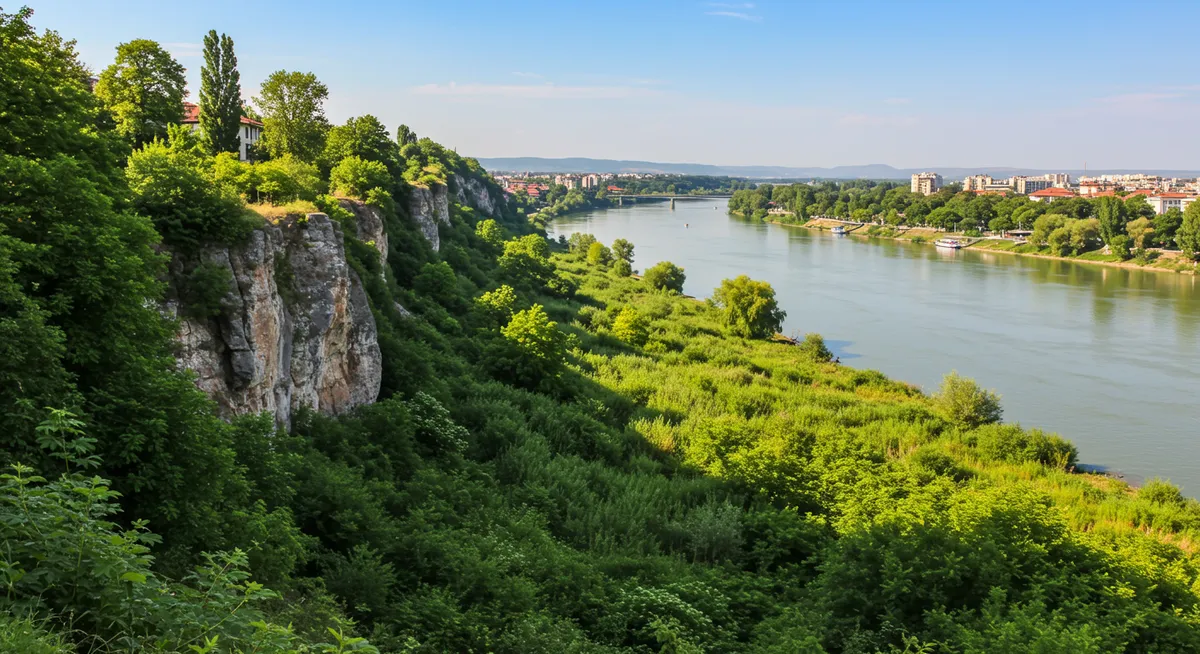
Ruse, Bulgaria, often called ‘Little Vienna,’ is more than ornate facades and Habsburg-era squares. Sitting on the Danube and ringed by the limestone canyons of Rusenski Lom Nature Park, the city is one of the easiest bases in northern Bulgaria for hiking, cycling, paddling, caving and birdwatching. In 2026 most parks and reserves remain free to enter, with the main paid stops — the Ivanovo Rock Churches and Orlova Chuka Cave — charging 6–10 BGN (roughly €3–5).
This guide covers the ten outdoor experiences that consistently deliver, from a 20-minute walk to family-friendly riverside parks to a full day in Rusenski Lom’s gorges. You’ll also find practical transport notes, the best months for each activity and a few options that rarely show up in standard Ruse itineraries. If you’re still mapping the trip, the solo traveler guide and the budget-friendly things to do in Ruse page pair well with this list.
1. Hike the gorges of Rusenski Lom Nature Park
Rusenski Lom Nature Park Visitor Guide covers about 3,408 hectares of river canyons cut by the Rusenski Lom and its tributaries (Beli, Cherni and Malki Lom). The headline hike is the marked path linking Ivanovo village, the Ivanovo Rock Churches and the river bend below — about 6 km return with a 120 m climb, doable in two to three hours. Stronger walkers can continue south toward Cherven Fortress for a 12–14 km point-to-point traverse.
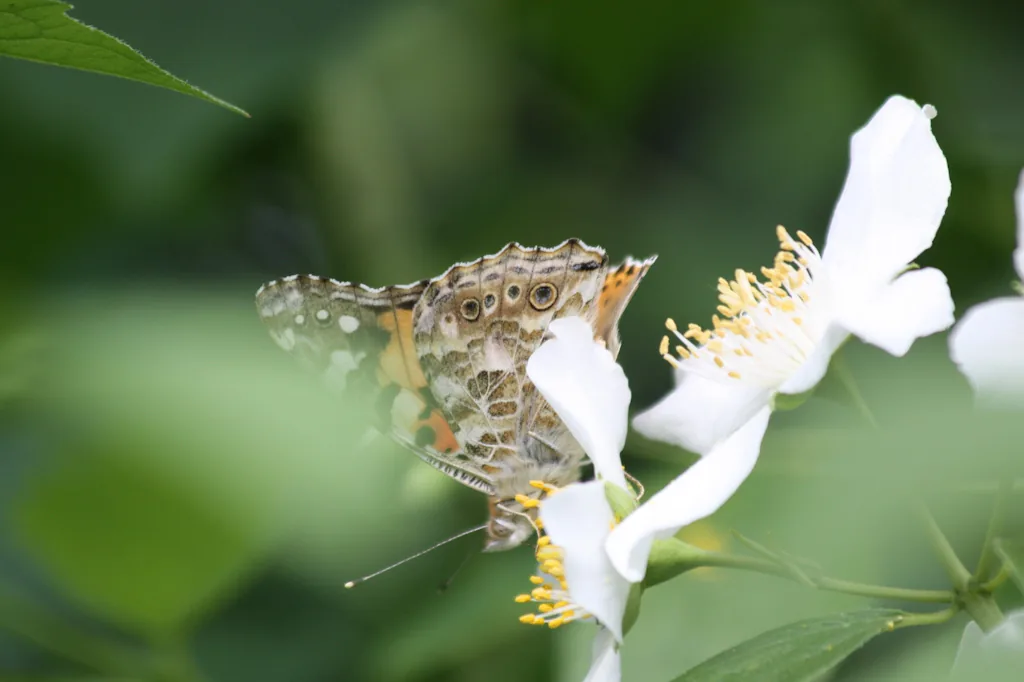
Trails are open year-round but spring (April–May) and early autumn (September–October) are easiest on the legs, with wildflowers in May and clear visibility from the cliff platforms in October. Carry 1.5 L of water per person; there are no refill points between Ivanovo and Cherven. The full deep-dive on routes, maps and access is in the Rusenski Lom National Park Guide: 10 Essential Planning Tips.
2. Visit the Ivanovo Rock Churches
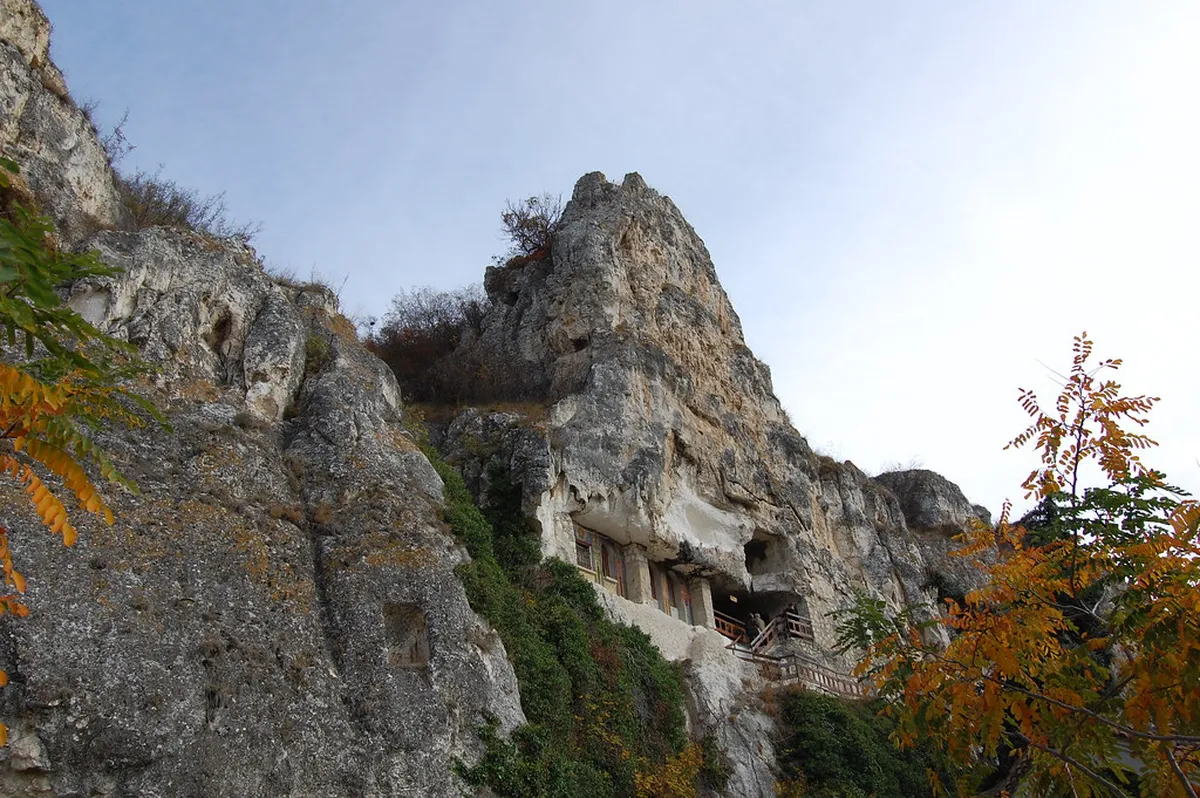
The Ivanovo Rock Churches are a UNESCO World Heritage cluster of medieval monastic cells carved into limestone cliffs above the Rusenski Lom River. The frescoes inside the main “Tsarkvata” chapel date to the 13th and 14th centuries and are widely considered the high point of Tarnovo School painting. Entry is around 6 BGN for adults; the site usually opens 09:00–18:00 April–October and closes Mondays in winter.
From the parking area below it’s a short but steep 15-minute climb on a stone staircase, so wear grippy shoes after rain. To reach Ivanovo from Ruse, take a Veliko Tarnovo-bound bus from the central bus station (about 30 minutes, 4–5 BGN) and walk 30 minutes from the village, or split a taxi for roughly 30–40 BGN one way.
3. Walk through Cherven medieval fortress
Often skipped because it sits at the southern edge of Rusenski Lom, Cherven is the most atmospheric ruin in the region: a 6th-century Byzantine fortress rebuilt in the Second Bulgarian Empire, perched on a horseshoe-shaped cliff above the Cherni Lom. The site combines a steady uphill walk with archaeology, and the view from the restored watchtower covers three river bends at once.
Plan two hours on site, plus 45 minutes’ driving each way from Ruse. There is no bus all the way to Cherven village, so most visitors combine it with Ivanovo as a half-day taxi or rental-car loop. Entry is 6 BGN; bring cash, as card terminals are unreliable.
4. Cycle the Danube riverfront and Park Prista
Ruse’s Danube embankment is paved and almost entirely flat, which makes it the city’s most accessible outdoor route. From the port near Slivnitsa Square you can ride east about 6 km to Park Prista, a riverside park with shaded picnic tables, a small zoo and benches that look directly across to Romania. The full there-and-back loop is around 14 km and takes a relaxed two hours.
Several local rentals offer city bikes from 15–20 BGN for half a day; ask at your hotel or look near the Monument of Liberty. The path is part of the EuroVelo 6 long-distance route, so you’ll often share it with cross-continental tourers in summer — a friendly crowd worth chatting to over a coffee at the port.
5. Paddle or cruise the Danube
A short Danube cruise leaves from the Ruse passenger port on most summer afternoons, usually a 60–90 minute loop priced around 20–25 BGN. Sunset departures fill quickly in July and August, so book the same morning at the port kiosk. Cruises pass under the Friendship Bridge to Giurgiu and give the only easy view of Ruse’s riverfront from the water.
For something more active, a handful of operators run guided kayak trips on the calmer stretches near Marten and Ryahovo, about 20–25 km upriver. Half-day paddles run roughly 60–80 BGN per person including transfers; book at least 48 hours ahead, as boats are limited. If a sunset cruise sounds right for a date night, see the Romantic Things to Do in Ruse guide guide for pairing it with dinner.
6. Explore Orlova Chuka Cave
Orlova Chuka, near the village of Pepelina, is the second-longest cave in Bulgaria with over 13 km of mapped passages. Guided tours cover roughly 600 m of the show-cave section, lasting about 40 minutes, and reveal stalactites, stalagmites and one of the country’s largest bat colonies (more than 14 species). Expect a steady 10–12 °C inside year-round, so a light jacket is essential even in August.
The cave usually opens daily May–September and weekends only in spring and autumn; it closes in winter to protect the hibernating bats. Tickets are around 8 BGN for adults. There is no public bus to the cave entrance, so plan on a taxi from Dve Mogili (the nearest town, reachable by train) or join a day tour out of Ruse.
💡 Good to know: Orlova Chuka holds a steady 10–12 °C year-round, so even on a 30 °C August day you’ll want a light jacket for the 40-minute tour. The floor stays damp underground — grippy closed shoes beat sandals on the show-cave path.
7. Picnic and hike at Lipnik Forest Park
Lipnik is the locals’ default Sunday outing — a 1,200-hectare oak-and-linden forest 12 km east of central Ruse, with a small lake, paddle boats, marked walking loops of 2–5 km and grilling areas free to use. It’s pram-friendly around the lake and good for first-time hikers who want forest cover without the elevation of Rusenski Lom.
Bus 13 from the central market runs out toward Nikolovo village and stops near the park entrance; the ride is about 25 minutes. On weekdays you may have whole sections of trail to yourself, while weekends bring local families with portable grills and bluetooth speakers — charming or chaotic, depending on your mood.
8. Birdwatch at Srebarna Biosphere Reserve
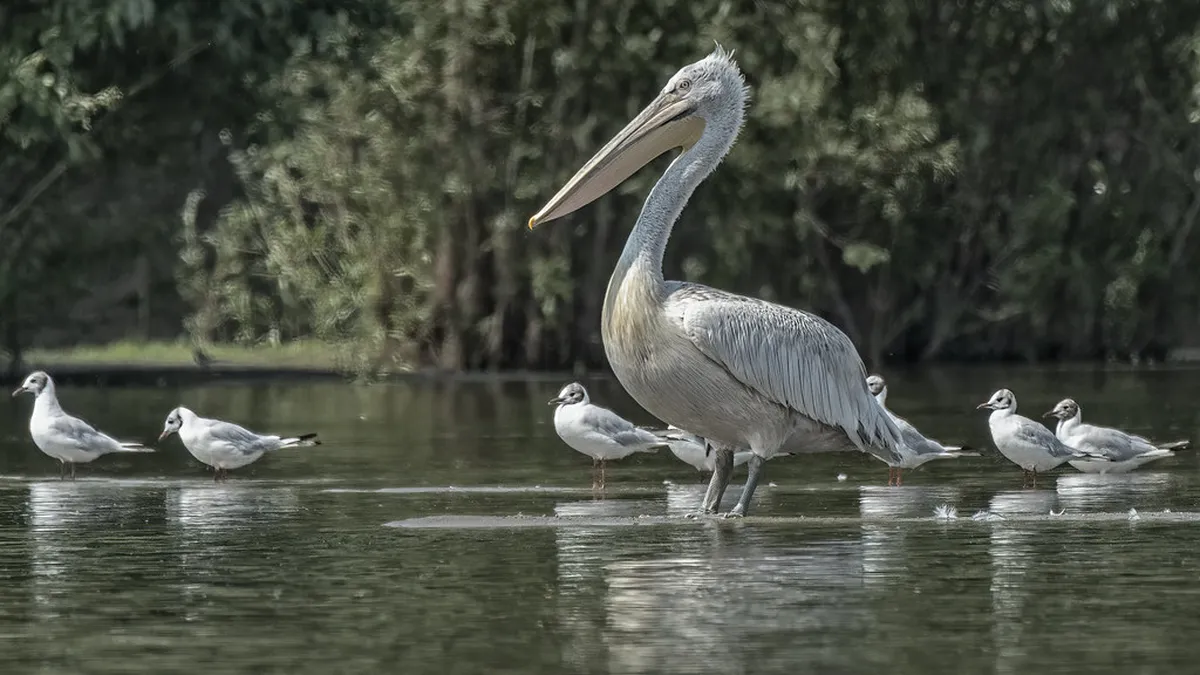
The most underrated nature trip from Ruse is the day excursion to Srebarna Lake, a UNESCO Biosphere Reserve about 110 km east near Silistra. The reserve protects a 600-hectare freshwater lake fringed by reeds and is one of the few European nesting sites of the Dalmatian pelican, alongside pygmy cormorants, white-tailed eagles and glossy ibises. A 7 km marked perimeter trail with viewing platforms and a small natural-history museum at the visitor centre make it a self-guided day.
April through June is peak nesting season and the best time for spotting pelican chicks; September brings the autumn migration. Drive time from Ruse is about 90 minutes via the E70; there’s a daily bus to Silistra and then a short taxi to the village of Srebarna. Pack binoculars — the closest viewing platform sits about 200 m from the colony.
9. Fish or stand-up paddle on quieter Danube backwaters
The main Danube channel is too busy with barges for casual fishing, but the side arms around Marten, Ryahovo and the islands east of Ruse are calm enough for shore fishing and stand-up paddleboarding. Carp, catfish and zander are the usual targets; a basic fishing permit is required and costs about 25 BGN per week from the regional fisheries office or larger tackle shops in Ruse.
If you didn’t bring gear, a few outfitters in Ruse rent rods and SUP boards by the day for 30–50 BGN. This is a slow, contemplative way to spend an afternoon — pair it with one of the riverside grills covered in the Ruse food & drinks guide for a complete day out.
For a quick visual tour of how these outdoor stops fit together across the city, this short guide is a useful primer before you build your days.
10. Stroll the city green spaces: Park na Mladezhta and the Battenberg gardens
You don’t need a car to find nature in Ruse. Park na Mladezhta (Youth Park), south of the centre, has shaded avenues, a small amusement area and a 2.5 km running loop that locals use at dawn and dusk. Closer to the river, the gardens around Battenberg Square and the Monument of Liberty give you mature plane trees and benches within a five-minute walk of any central hotel.
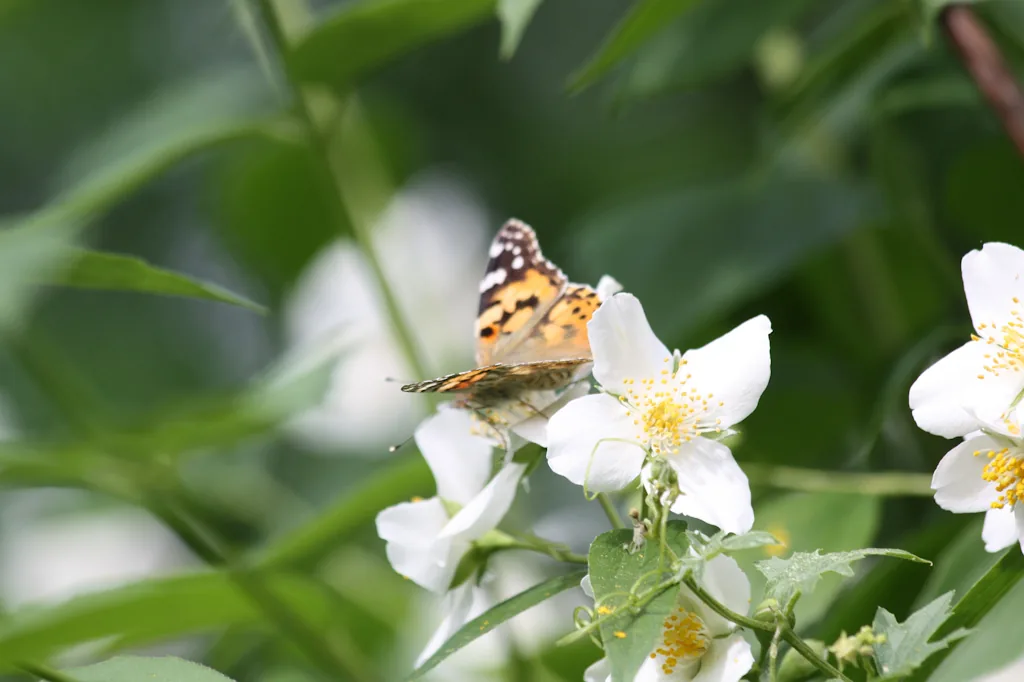
For early risers, the Danube embankment between the port and the rowing canal is the best sunrise spot in town, with mist rising off the water and joggers from the local rowing club out by 06:30. These city walks are also the easiest options for travellers with limited mobility, since paths are paved and elevations are minimal.
Outdoor activities in Ruse at a glance
Most of the nature trips below are free to enter; only the rock churches and the show cave charge admission. Use this table to match an activity to your time, budget and the distance from central Ruse before you build the day.
| Activity | Entry & distance from Ruse |
| Rusenski Lom gorge hike (Ivanovo–river) | Free; ~6 km return, 2–3 hours |
| Ivanovo Rock Churches (UNESCO) | ~6 BGN; 30 min by Veliko Tarnovo bus |
| Cherven medieval fortress | 6 BGN; ~45 min drive each way |
| Orlova Chuka Cave | ~8 BGN; near Pepelina, no public bus |
| Danube riverfront cycle to Park Prista | Free path; bikes 15–20 BGN per half day |
| Srebarna Biosphere Reserve (birdwatching) | Free trail; ~90 min drive (110 km) |
💡 Good to know: Card terminals are unreliable at the rural sites — Cherven, Orlova Chuka and Ivanovo all run mostly on cash. Carry 30–40 BGN in small notes per person to cover entry fees, a taxi leg and a coffee, since there are no ATMs at any of the trailheads.
Best season and how to plan your outdoor days
Ruse has hot, humid summers (July highs around 31 °C) and cold winters with occasional snow. The sweet spot for outdoor activity is mid-April to mid-June and again from early September to late October — warm enough for the river, cool enough for the gorge hikes, and far less crowded than peak summer. Avoid full-day hikes in late July and August unless you start before 08:00.
If you only have one outdoor day, combine the Ivanovo Rock Churches with a short Rusenski Lom hike and a late-afternoon Danube walk back in the city. With two days, add Cherven and Orlova Chuka on day two, or swap one for the Srebarna birdwatching trip. Travellers based here for longer should also flick through the broader 20 Best Things To Do in Ruse 2026 (Bulgaria's Little Vienna) hub for indoor and culinary options on rainy days.
Frequently asked questions about outdoor activities in Ruse
What is the best outdoor activity in Ruse for first-timers?
The Danube riverfront cycle to Park Prista is the easiest start: the embankment is paved and almost flat, the there-and-back loop is around 14 km, and city bikes rent for 15–20 BGN per half day. For walkers, Lipnik Forest Park has gentle 2–5 km loops without the elevation of Rusenski Lom.
Do you need a car to explore nature around Ruse?
Not for everything. The Ivanovo Rock Churches are reachable by a Veliko Tarnovo-bound bus (about 30 minutes), Lipnik Forest Park is on Bus 13 from the central market, and the Danube embankment and city parks are all walkable. A car or shared taxi mainly helps for Cherven, Orlova Chuka and the Srebarna birdwatching day, which have no direct bus to the trailhead.
When is the best time of year for outdoor activities in Ruse?
Mid-April to mid-June and early September to late October are the sweet spots — warm enough for the river, cool enough for the gorge hikes and far less crowded than peak summer. For birdwatching at Srebarna, April through June is peak pelican nesting season.
How much do the paid outdoor sites cost?
Most parks and reserves are free. The main paid stops are the Ivanovo Rock Churches and Cherven fortress at around 6 BGN each, and Orlova Chuka Cave at around 8 BGN — roughly €3–5 per site in 2026. Bring cash, as card terminals are unreliable at the rural sites.
From the canyon trails of Rusenski Lom to a quiet sunrise on the Danube, Ruse rewards travellers who give the outdoors at least a full day. Pick two or three of the experiences above, line them up against the season, and you’ll see a side of northern Bulgaria most short-stay visitors miss.
Filed under
Continue your journey
Related Bulgaria guides
6 Jun 2026
Nikopol Bulgaria Day Trip From Ruse Travel Guide
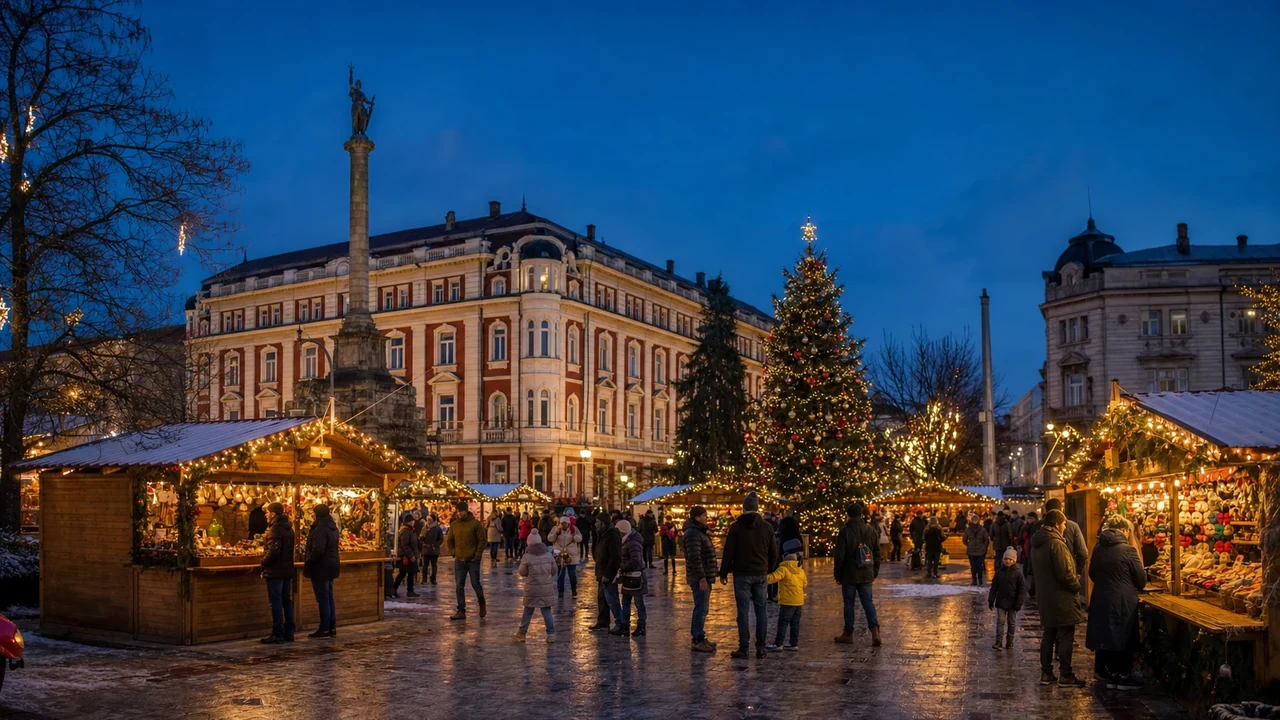
30 Jul 2026
Ruse Christmas Market: 2026 Guide to Dates, Zones and Tips
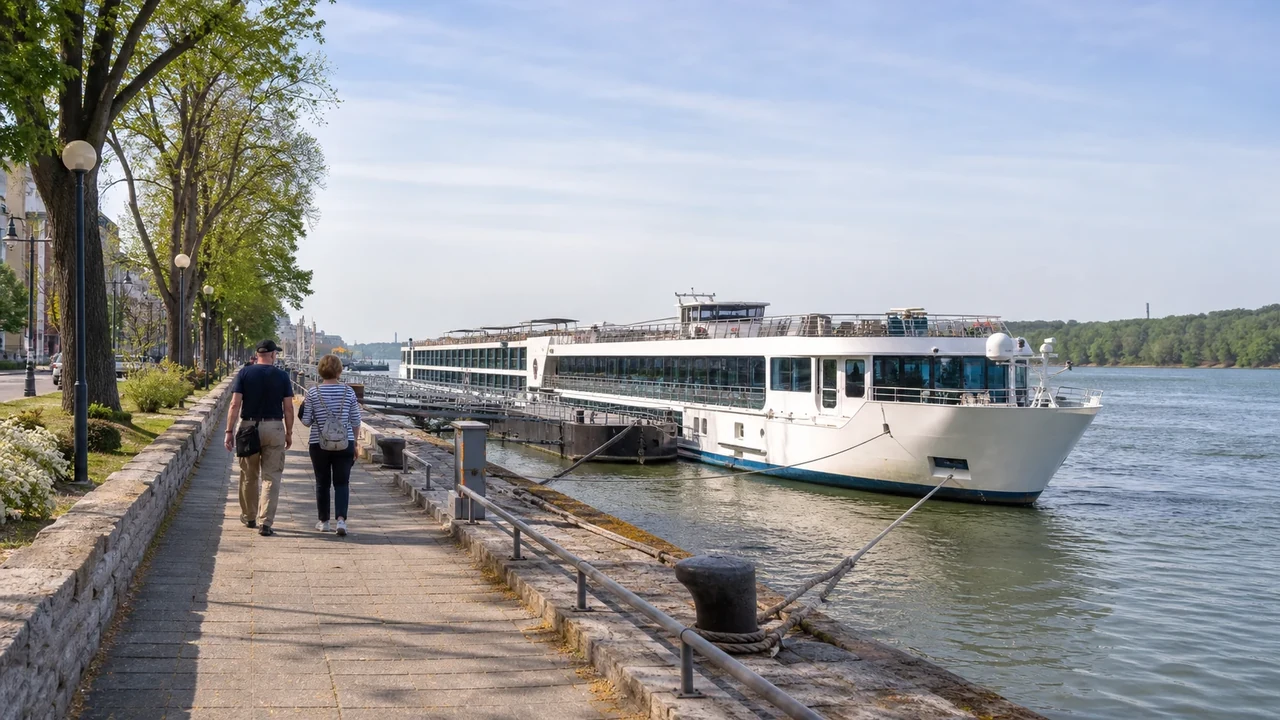
30 Jul 2026
Ruse Danube Cruise Guide: Port Logistics, Excursions & Itineraries
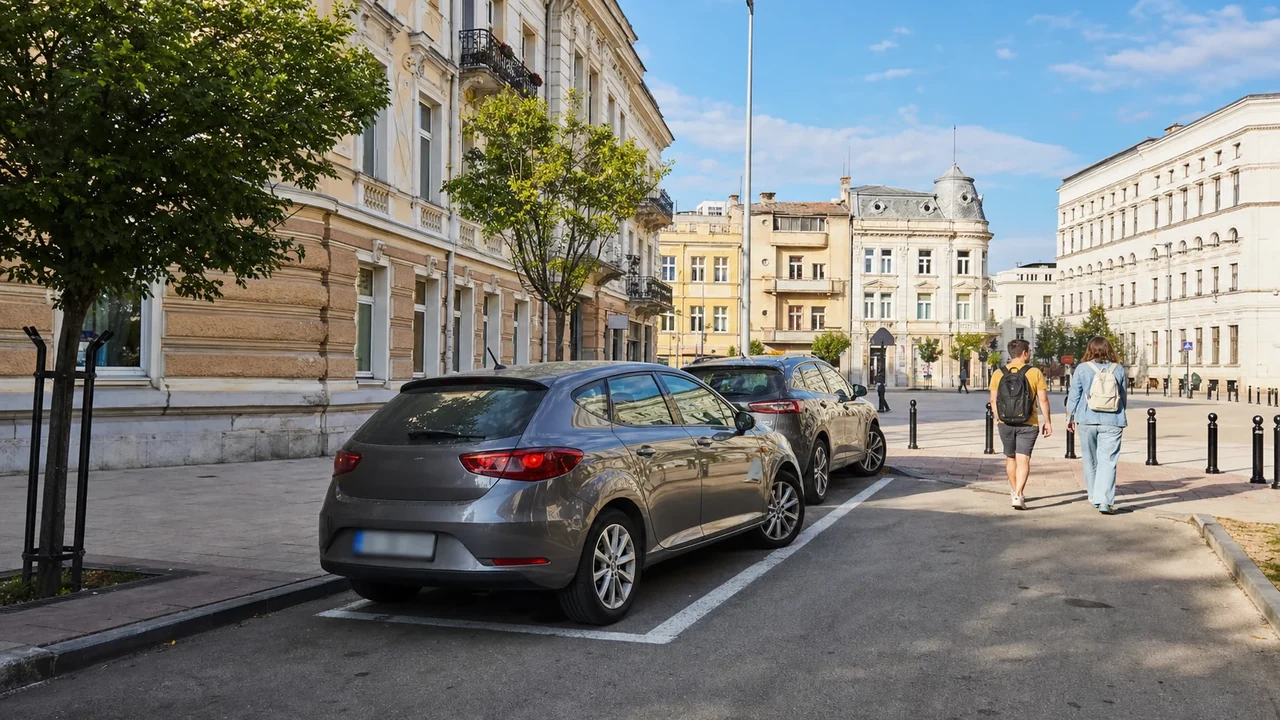
30 Jul 2026
Ruse Parking Guide 2026: Blue Zone Rates, Garages & Free Lots
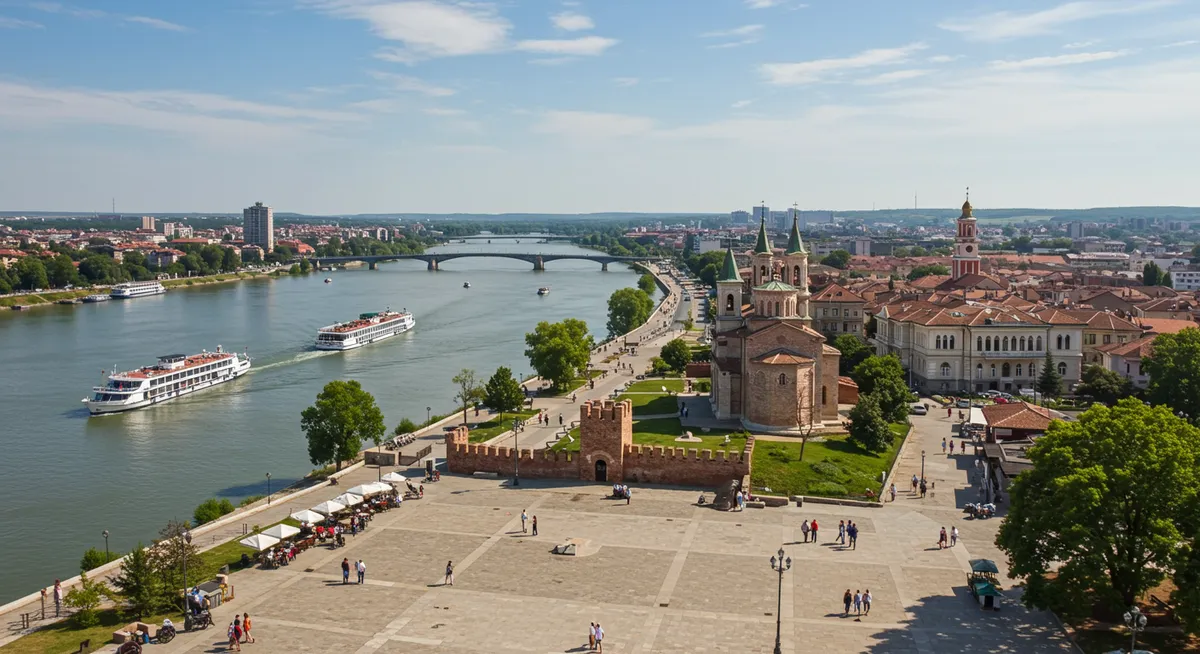
20 Jul 2026
Best Time to Visit Ruse in 2026: Weather, Events and Crowds
17 Jul 2026