Independent Bulgaria travel guide
Best Neighborhoods in Plovdiv 2026 Guide
Best neighborhoods in Plovdiv 2026: Old Town, Kapana, Center, Trakiya & more — character, vibe, walking distances and who each area suits.
On this page11 sections
Best Neighborhoods in Plovdiv 2026 Guide
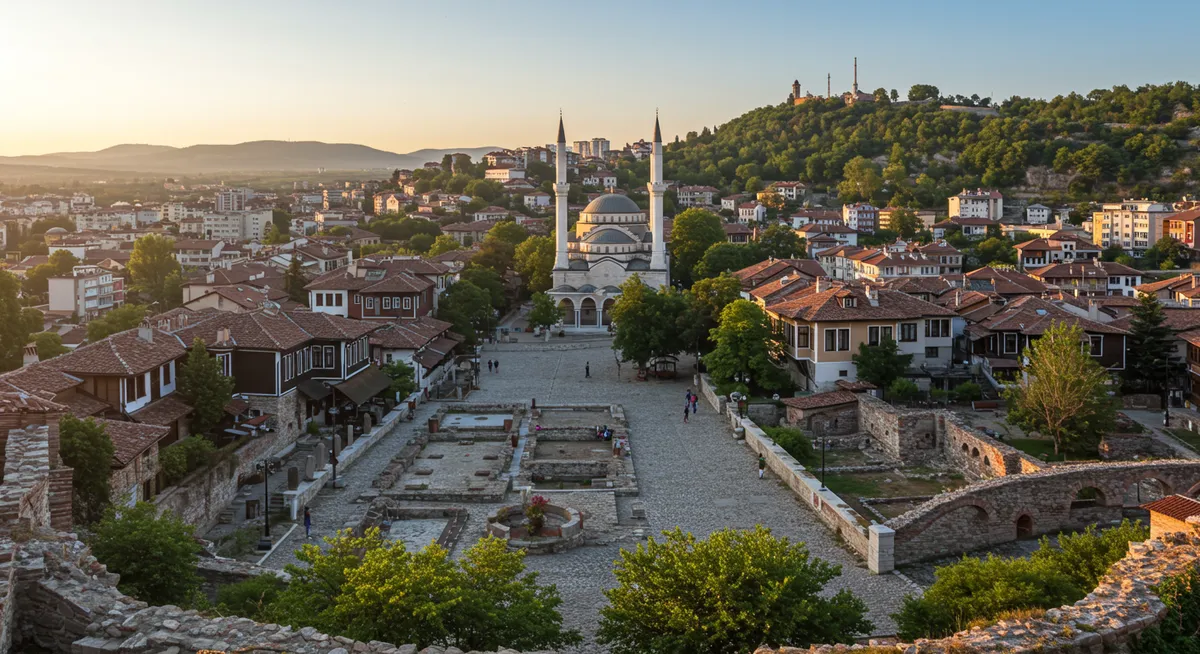
Plovdiv, one of Europe's oldest continuously inhabited cities, is a treasure trove of history, culture, and vibrant modern life. Exploring Plovdiv's diverse neighborhoods in 2026 offers an unparalleled glimpse into Bulgaria's rich heritage and contemporary dynamism. From ancient ruins to trendy art districts, each neighborhood has its own distinct character — and the right one for you depends entirely on what you're looking for.
For an immersive look at Plovdiv's creative heart, this 4K walking tour captures the vibrant streets and authentic atmosphere of the Kapana District:
This guide focuses on character, vibe, and who each neighborhood suits. If you're deciding where to base yourself, pair this article with our Best Areas to Stay in Plovdiv 2026 guide, which covers lodging options in detail. For a fuller picture of what to do across the whole city, see Best Things to Do in Plovdiv.
At a Glance: Plovdiv's Neighborhood Map
Plovdiv's most visitor-relevant neighborhoods cluster in a compact zone that is very walkable. Here is a quick orientation before diving into each area:
- Old Town (Stari Grad) — hilltop heritage quarter, 10–15 min walk from City Center
- Kapana — creative-quarter maze, directly west of Old Town, 5 min from Dzhumaya Mosque Visitor Guide
- City Center (Tsentar) — pedestrian Main Street hub, borders Kapana to the south and east
- Singing Fountains area — southern end of City Center, ~10 min walk from Main Street
- Trakiya — large residential district, 20–25 min by bus or tram from the Center
- Maritsa River Banks — linear green strip, 5–10 min walk south of City Center
Walking between Old Town, Kapana, and the City Center takes less than 15 minutes total, so you can sample all three neighborhoods in a single half-day. For wider routing ideas, our Plovdiv 1-day itinerary shows how to thread them together efficiently.
1. Old Town (Stari Grad) — History, Revival Architecture & Cobblestone Charm
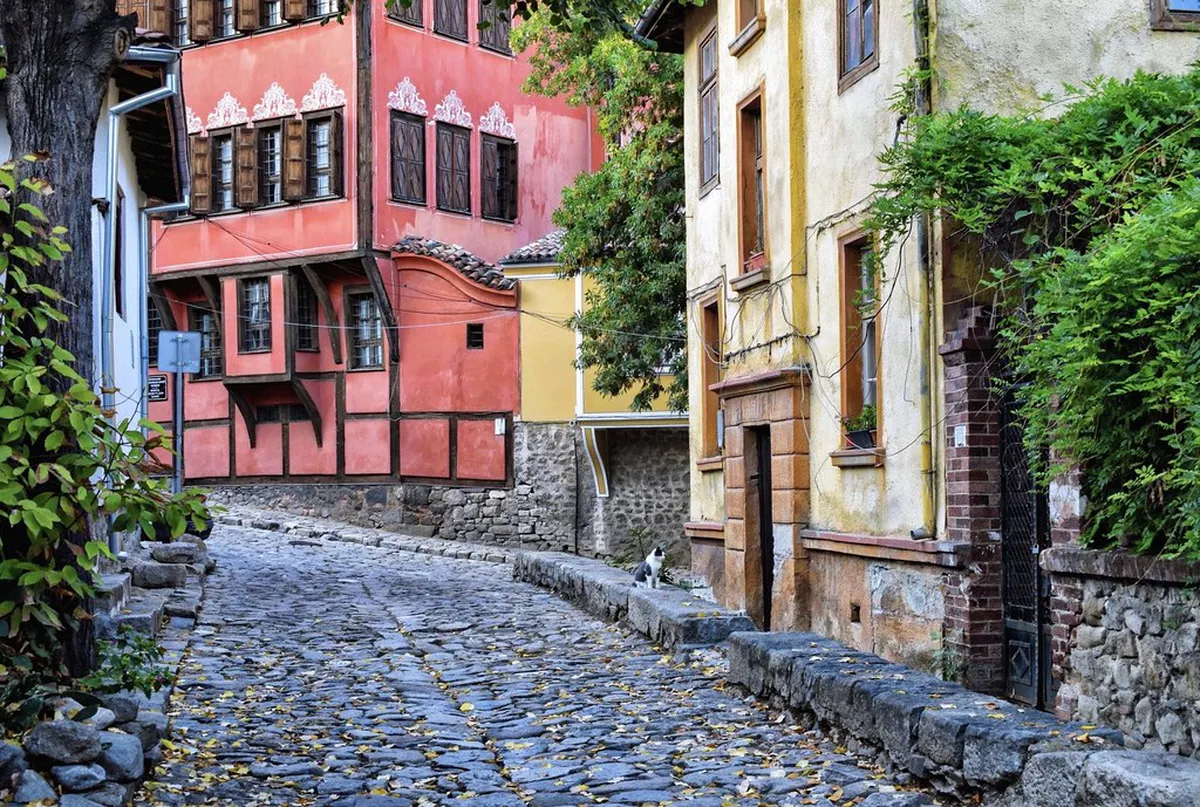
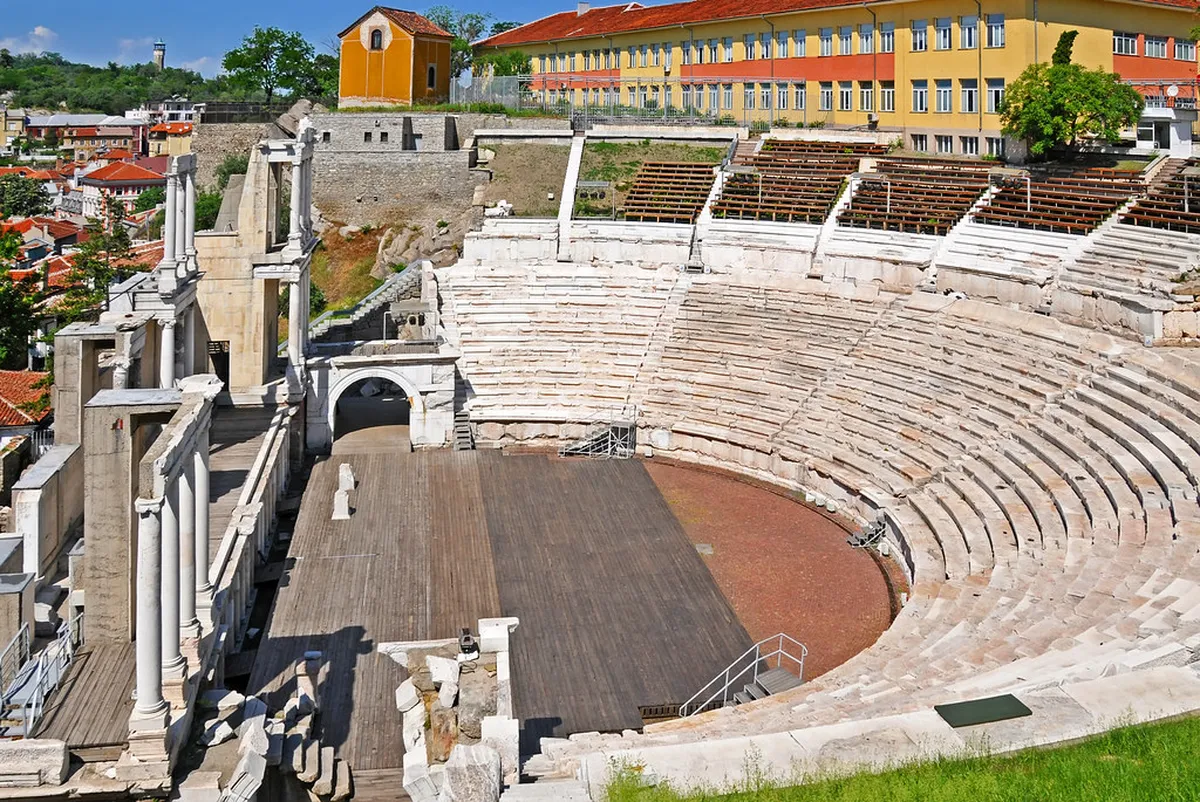
Old Town Plovdiv is where history truly comes alive. Built across three of the city's famous syenite hills, Stari Grad is home to the best-preserved ensemble of Bulgarian National Revival architecture in the country. Wandering its cobblestone streets, you'll encounter Roman ruins, elaborately painted 19th-century mansions jutting over narrow alleys, and the well-preserved Roman Theatre that still hosts live performances (tickets from 15–25 BGN / ~8–13 EUR in 2026).
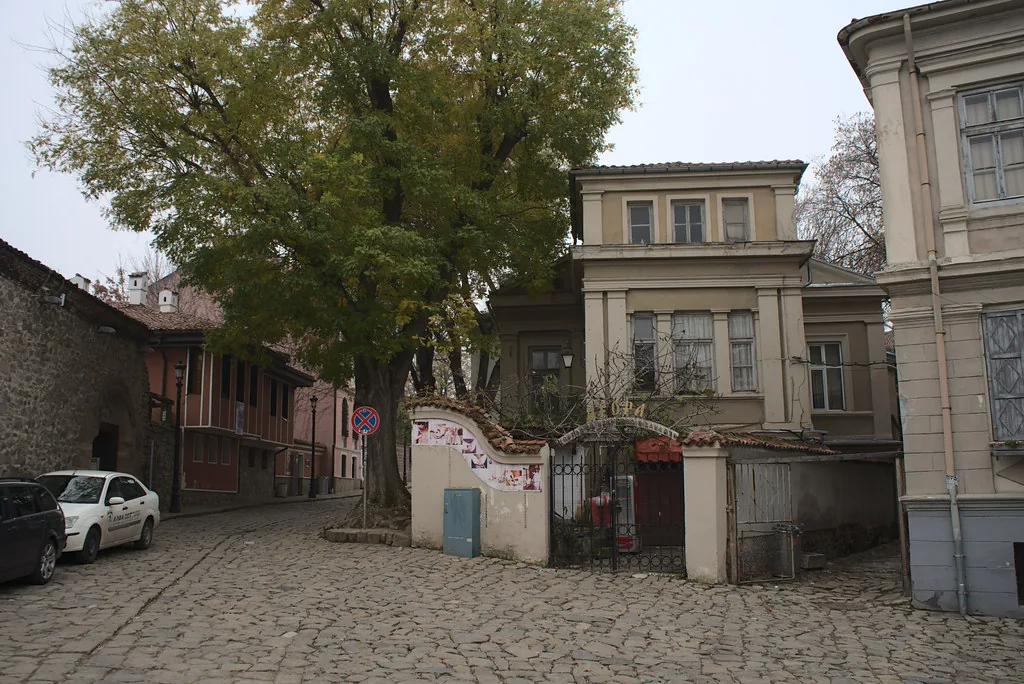
The Ethnographic Museum, housed in the stunning Kuyumdzhioglu House, documents the crafts and customs of Plovdiv's 19th-century merchants. Entry costs 5 BGN (adults) / 2 BGN (students) as of 2026, open Tuesday–Sunday 09:00–17:30.
Who it suits: History enthusiasts, architecture lovers, photographers, slow travelers who enjoy gallery-hopping. It is quieter in the early morning and after 18:00, when day-trippers thin out — ideal for people who dislike crowds. Families will find it manageable but note the steep cobblestones are tough with strollers.
Old Town sits roughly 10–15 minutes on foot from the central Main Street. From Kapana's heart it is just a 5–8 minute walk uphill toward the Dzhumaya Mosque gate. For a deeper dive, our upcoming Plovdiv Old Town Guide: Architecture, History, and Travel Tips covers every key sight with opening hours and 2026 ticket prices.
2. Kapana — The Creative Trap for Art, Coffee & Nightlife
Kapana, meaning "The Trap," is Plovdiv's bohemian creative quarter — a compact maze of pedestrian lanes west of Dzhumaya Mosque where craft workshops, specialty coffee shops, independent bookstores, and lively bars share walls with street murals and pop-up galleries. The district was designated Plovdiv's official creative quarter after the city's 2019 European Capital of Culture year, and it has not stopped evolving since.
By day, Kapana is best for coffee and browsing: expect artisan ceramics, hand-printed textiles, and vinyl record shops tucked between brunch spots. By night it morphs into the city's most energetic social scene. Craft beer bars and cocktail bars open until 02:00 on weekends, and live gigs spill onto the street from Thursday through Saturday. Check Plovdiv Nightlife Guide 2026 for current venue picks.
Who it suits: Young adults, solo travelers, digital nomads, anyone who puts good coffee and independent culture above sightseeing checkboxes. It also pairs well with Old Town — many visitors do Kapana brunch → Old Town afternoon → Kapana cocktails in a single loop. For food planning, our Plovdiv food & drinks guide lists the best Kapana restaurants with 2026 price ranges.
Distance from City Center Main Street: ~5 minutes on foot heading north-east. Distance from Old Town gates: ~5–8 minutes on foot downhill toward Dzhumaya. Explore what's going on here through our Kapana Plovdiv Guide spotlight.
3. City Center (Tsentar) — Pedestrian Buzz & the Singing Fountains
The City Center of Plovdiv is where the modern and historical converge. Main Street (Главна улица / Knyaz Alexander I) is one of Europe's longest pedestrian boulevards, stretching from the Post Office Square in the north to Tsar Simeon Garden Visitor Guide in the south, lined with shops, cafes, banks, and restaurants under a canopy of lime trees.
At the southern end of the City Center, adjacent to Tsar Simeon Garden, the Singing Fountains complex puts on evening music-and-light water shows (typically May–October, shows start at dusk — around 21:00 in summer). Entry is free; the shows last 20–30 minutes and draw large crowds on weekends. Arriving 15 minutes early secures a good viewing spot.
The Roman Stadium, whose curved northern end is visible beneath the pedestrian zone near the Tsar Boris III Garden, is another unmissable landmark right in the Center. You can walk over the glass-covered sections at any time for free; guided site tours run daily in summer for 5 BGN (2026).
Who it suits: Everyone — the Center is the default meeting point for all visitor types. It is the most accessible neighborhood, with good transport links, the widest range of dining prices, and zero navigational difficulty. Families with children particularly enjoy the Singing Fountains and the Tsar Simeon Garden playground area.
For a structured route from Main Street through to Old Town and Kapana, see our 10 Best Ways to Experience a Plovdiv Walking Tour.
4. Maritsa River Banks — Green Escape in the City
Escape the urban bustle by venturing to the serene banks of the Maritsa River. These lush green spaces offer a refreshing contrast to the city's historic architecture. The riverside path stretches for several kilometres and is popular with joggers, cyclists, and families walking dogs in the early mornings and evenings.
Several parks line the Maritsa, including the large Rowing Canal complex to the south, which hosts kayaking and canoeing events. Bike rentals are available along the riverside from April through October, typically for 5–8 BGN per hour (2026). Numerous open-air cafes and beer gardens operate along the banks in summer, with prices noticeably lower than Kapana or Old Town.
Who it suits: Outdoor lovers, active travelers, families looking for a free afternoon activity, and anyone wanting a breather from the city's sightseeing density. The Maritsa banks are a 5–10 minute walk south from the City Center. Check outdoor & nature in Plovdiv for the full list of green spaces across the city.
5. Trakiya — Authentic Local Life & Street Art at Scale
Venture into Trakiya, Plovdiv's large communist-era residential district, and discover a world where everyday Bulgarian urban life plays out at a relaxed pace far from the tourist circuit. This district is known for its wide avenues lined with prefab apartment blocks, colourful large-scale murals painted onto building facades, and neighbourhood markets where locals shop for fresh produce in the morning.
Trakiya is not a conventional tourist destination, but it rewards the curious with an unfiltered look at how Plovdiv's residents actually live. The neighbourhood's markets sell seasonal Bulgarian produce at prices well below City Center supermarkets. Several no-frills mehanas (Bulgarian taverns) here serve traditional dishes for 8–15 BGN per main course — roughly half what you'd pay in Kapana.
Who it suits: Curious independent travellers, budget-conscious visitors, street-art enthusiasts. Getting here takes 20–25 minutes by trolleybus or tram from the Center (Lines 2, 4, and 102 serve the area). Don't miss the large-scale murals near the Trakiya residential blocks — they rival anything in the more famous street art and creative spaces in Plovdiv guide.
6. Danov Hill — Panoramic Views Without the Crowds
Danov Hill (Sahat Tepe) offers some of the most breathtaking panoramic views of Plovdiv — and receives considerably fewer visitors than the busier Nebet Tepe Visitor Guide in Old Town. Climbing to the top rewards you with sweeping vistas of the Old Town rooftops, the Rhodope Mountains to the south, and the Maritsa River valley stretching east and west.
The hill is particularly atmospheric at sunset, when the light catches the red-tiled roofs below. The climb from the base takes around 10–15 minutes on a paved path; the summit has a few benches and a ruin of an old clock tower. No entry fee. For the best photo angles across the city, combine this with the spots listed in our Best Views in Plovdiv: Hilltop Viewpoints & Panoramas (2026 Guide) guide.
Who it suits: Photographers, couples, anyone who wants a quieter hilltop alternative to Old Town's busy Nebet Tepe. Reachable on foot from Old Town's western edge in around 15 minutes.
7. Walking Distances Between Neighborhoods
One of Plovdiv's greatest strengths is how compact its core is. The table below gives approximate walking times between the main visitor neighborhoods in 2026:
| From | To | Walk time |
|---|---|---|
| City Center (Main St north) | Kapana (center) | ~5 min |
| Kapana (center) | Old Town gate (Dzhumaya) | ~5–8 min |
| City Center (Main St south) | Singing Fountains | ~10 min |
| Old Town (top) | Danov Hill (base) | ~15 min |
| City Center | Maritsa River Banks | ~8–10 min |
| City Center | Trakiya (border) | ~30–35 min on foot or 20–25 min by bus |
In practical terms, you can walk from the Singing Fountains all the way through the Center, through Kapana, and up into Old Town in under 40 minutes without rushing. For a time-optimised route, our Plovdiv 3-day itinerary groups neighborhoods logically to minimise backtracking.
8. Getting Between Neighborhoods: Transport Tips
Plovdiv's inner neighborhoods — Old Town, Kapana, City Center, Maritsa Banks — are all easily walkable from each other. For Trakiya and the outer residential districts, public transport is the practical choice:
- Trolleybuses (Lines 2, 4, 102): Connect City Center to Trakiya and outer districts. Single-ride ticket: 1.60 BGN (2026). Buy on board or at kiosks.
- Taxis: Reliable and cheap by Western European standards. A trip from Center to Trakiya costs approximately 4–7 BGN. Use the OK Supertrans or Taxi 1313 apps for verified meters.
- Bicycles: A growing bike-share network covers the Center and Riverside path. Day pass: approximately 10–15 BGN (2026).
For full transport planning, see our Plovdiv Transportation guide, which covers bus maps, taxi apps, and the city's bike infrastructure in detail.
Frequently Asked Questions About Plovdiv's Neighborhoods
What is the most historic neighborhood in Plovdiv?
Old Town (Stari Grad) is the most historic neighborhood. Built across three of Plovdiv's famous hills, it contains Roman ruins, 19th-century Revival mansions, the ancient Roman Theatre, and the Ethnographic Museum — all within a walkable compact area. It is the single most rewarding place to spend a slow morning in the city.
Which Plovdiv neighborhood is best for nightlife and food?
Kapana (The Trap) is the top choice for both. Its pedestrian-only lanes are packed with craft-beer bars, specialty-coffee shops, and independent restaurants. On weekend evenings the streets fill with live music and street performers, making it the city's most vibrant after-dark quarter. See Plovdiv Nightlife Guide 2026 for specific venue recommendations.
How far is Kapana from Old Town Plovdiv on foot?
Kapana and Old Town border each other at Dzhumaya Mosque. The walk from the heart of Kapana to the Old Town gates takes roughly 5–8 minutes on foot, making it easy to move between the two neighborhoods in a single afternoon.
Is Trakiya worth visiting as a tourist?
Trakiya is a large communist-era residential district rather than a tourist zone, but it rewards curious visitors with authentic local markets, large-scale street murals, and a window into everyday Bulgarian urban life well away from the tourist circuit. Budget roughly half a day and pair it with the street art & creative spaces guide.
Which neighborhood in Plovdiv is closest to the Singing Fountains?
The Singing Fountains sit at the southern edge of the City Center, adjacent to Tsar Simeon Garden. From the central pedestrian Main Street it is roughly a 10-minute walk south. The fountains run evening shows (May–October, from ~21:00) and entry is free.
Plovdiv's neighborhoods reward exploration at any pace. Whether you're chasing history in Old Town's cobblestone lanes, sipping craft beer in Kapana's creative maze, cooling off along the Maritsa River, or watching the Singing Fountains light up the southern City Center — each area has a distinct identity. Use the walking-distance table above to plan your day, and start your broader Plovdiv planning with our complete guide to Best Things to Do in Plovdiv in 2026.
Filed under
Continue your journey
Related Bulgaria guides
25 Jul 2026
Car Rental in Plovdiv, Bulgaria: 2026 Guide to Pickup, Parking, and Driving Rules
25 Jul 2026
Plovdiv Christmas Market Guide: Kapana Bazaar vs. Central Square (2026)
25 Jul 2026
Plovdiv Parking Guide 2026: Blue Zone, Green Zone, Fees, and Fines
25 Jul 2026
Plovdiv to Bansko Transport: Bus, Train, Transfer and Driving Guide (2026)
16 Jul 2026
7 Things to Know: Alyosha Monument Visitor Guide
16 Jul 2026