Independent Bulgaria travel guide
Is Sofia Safe? 2026 Tourist Safety Guide (Scams, Taxis, Night, Solo)
Is Sofia safe for tourists in 2026? Complete safety guide: taxi & ATM scams, pickpocket spots, night safety, solo travel, emergency 112, embassy contacts. Real Bulgaria specialist tips.
On this page11 sections
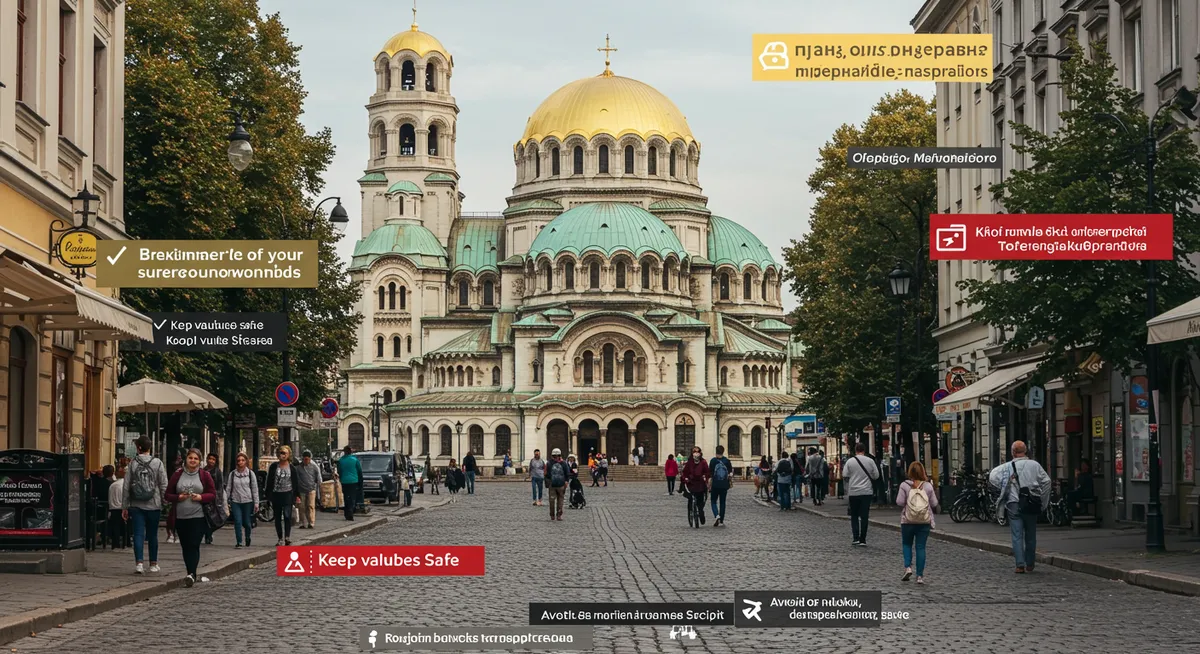
Yes — Sofia is one of the safest capital cities in the European Union for tourists in 2026. Bulgaria's overall crime rate sits well below the EU average, and violent crime against foreigners is rare. However, like any European capital, Sofia has localized risks: pickpocketing on tram lines 1, 7, and 22, fake taxis charging 50+ BGN for short rides that should cost 10 BGN, ATM skimming, and a long-running "fake police" scam targeting tourists near Vitosha Boulevard Visitor Guide. This guide gives you the practical, on-the-ground rules locals follow — written specifically for visitors planning a trip to Sofia.
Whether you're here for a quick Sofia 1-Day Itinerary, a 3-day weekend, or a longer Sofia 7-Day Itinerary, the safety advice below applies. Pair it with smart accommodation choices in the Best Areas to Stay in Sofia in 2026 and reliable Sofia Transportation options to make sure your trip is smooth from the airport on.
Is Sofia Safe in 2026? The Short Answer
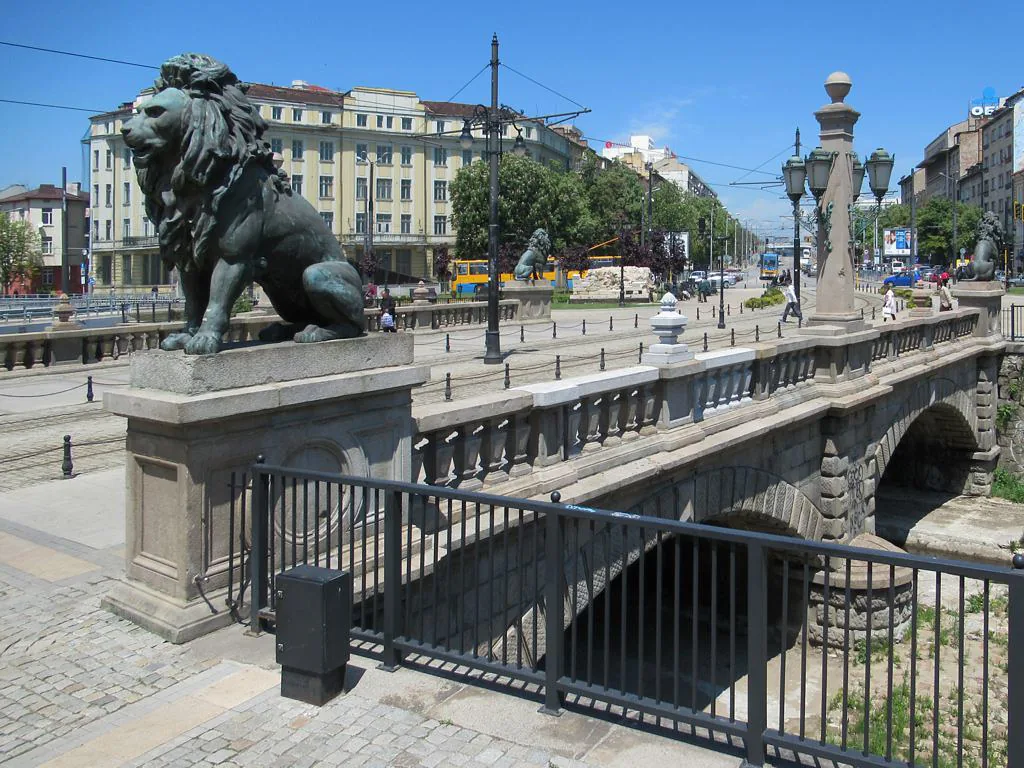
Sofia is statistically safe for tourists. Bulgaria ranks in the lower third of EU countries for both violent and property crime — the U.S. State Department currently rates Bulgaria at Level 1 (Exercise Normal Precautions). Sofia's central tourist zone — Serdika, Vitosha Boulevard, the Largo, Aleksandar Nevski Cathedral area — is heavily policed and well-lit until late. Most visitors complete a full week-long trip without any incident more serious than overpriced bottled water. The crimes that do affect foreigners are almost entirely opportunistic and avoidable: taxi overcharging at the airport, pickpocketing on packed trams, and ATM-skimming at unbranded machines on busy commercial streets. Avoid those four traps and your safety profile in Sofia is similar to Lisbon, Krakow, or Prague.
The 5 Tourist Scams You Need to Know in Sofia
1. The fake taxi scam (most common — costs visitors 50+ BGN)
The single most common tourist scam in Sofia is the fake-taxi overcharge. Unmarked or look-alike taxis park outside Sofia Airport Terminal 2, the Central Railway Station, and major hotels. They quote no meter, then charge 50–100 BGN (€25–50) for a 15-minute ride that should cost 8–12 BGN on a legitimate meter. The two trustworthy companies in Sofia are OK Supertrans (yellow cars, phone +359 2 9732121) and Yellow! Taxi (also yellow, +359 2 91119). Sofia legitimate metered fares are roughly 0.79 BGN/km daytime, 0.90 BGN/km after 22:00, with a 0.70 BGN start fee. If a sticker on the door shows higher rates (e.g., 4.99 BGN/km), walk away — that's the trick. At the airport, use the official OK Supertrans counter inside Terminal 2 arrivals, not drivers approaching you outside. See our full Sofia Transportation guide for ride-share alternatives like Bolt, which lock the price up front.
💡 Good to know: The single biggest tell of a fake taxi is the door sticker. Legitimate Sofia fares are roughly 0.79 BGN/km in the day and 0.90 BGN/km after 22:00 with a 0.70 BGN start fee. If the sticker shows an inflated per-km rate like 4.99 BGN/km, that taxi is legal to charge it — and it will quietly cost you five times the normal fare. Glance at the door before you get in, or just open Bolt instead.
2. ATM skimming and tampered machines
Skimming devices and pinhole cameras occasionally appear on standalone street ATMs, especially around Vitosha Boulevard, Slaveykov Square, and the Central Station underpass. Use ATMs inside bank branches (UniCredit Bulbank, DSK Bank, Postbank, Raiffeisenbank, Fibank) during business hours. Cover the keypad with your free hand when entering your PIN. Reject any ATM that asks you to "re-insert" a card or where the card slot wobbles when you tug it.
3. The fake police scam
Two men in plain clothes approach you, flash a "police badge," claim to be checking for counterfeit currency, and ask to inspect your wallet. Real Bulgarian police never ask to inspect cash. If approached, say "I want to call 112" and walk into the nearest hotel lobby, café, or shop. Bulgarian police wear visible blue uniforms and identifiable patches; they patrol in marked vehicles.
4. Pickpockets on public transport
Hot zones are tram 1, tram 7, tram 22, and the metro between Serdika and Vitosha stops during morning and evening rush hour. Pickpockets work in pairs — one distracts (asks for directions, bumps you), the other lifts. Wear a crossbody bag in front of your body, keep your phone in a zipped inside pocket, and never put your wallet in a back pocket.
5. Currency exchange overcharge
Avoid street-side "0% commission" exchange booths near the Central Bath and Vitosha Boulevard — the headline rate is fake and they apply a 15–20% spread at the till. Use a bank or withdraw BGN directly from a bank ATM. Never exchange money with someone on the street.
Here is the same advice as an at-a-glance cheat sheet — the five traps and the one rule that defuses each:
| Scam | How to avoid it |
| Fake taxi overcharge | Use OK Supertrans or Yellow! Taxi (yellow cars), or Bolt; check the door sticker shows ~0.79 BGN/km |
| ATM skimming | Withdraw inside bank branches (UniCredit Bulbank, DSK, Postbank); cover the keypad |
| Fake police "wallet check" | Real police never inspect cash — say "I want to call 112" and step into a shop or hotel |
| Pickpockets on transit | Wear a crossbody bag in front on trams 1, 7, 22 and the Serdika–Vitosha metro |
| Currency-exchange spread | Skip "0% commission" street booths; use a bank or bank ATM |
Sofia Neighborhoods: Where Tourists Stay vs Where to Be Cautious
The central districts — Serdika, Oborishte, Doctor's Garden, Lozenets, and the area around the National Palace of Culture (NDK) — are safe day and night and recommended in our Best Areas to Stay in Sofia in 2026. Walking back to your hotel at 1 AM from a Vitosha Boulevard restaurant is normal and unremarkable.
Areas where tourists rarely have business — Stolipinovo (actually in Plovdiv, often confused), Fakulteta, and parts of Lyulin or Druzhba on Sofia's outskirts — are residential, not unsafe per se but with little reason to visit. They are not "no-go zones"; they are simply unfamiliar territory with no tourist infrastructure. Your hotel concierge will tell you the same.
Is Sofia Safe at Night?
Yes. Central Sofia is well-lit and busy until at least 1 AM on weeknights and 3 AM on weekends. The riskier behavior is not "being out late" but "walking alone on dimly lit side streets while visibly drunk." Stick to main streets (Vitosha Boulevard, Graf Ignatiev, Tsar Osvoboditel), use Bolt or a yellow taxi for the last leg home, and avoid the underpass at Sofia Central Railway Station after midnight unless you're with company. The metro runs until midnight; trams and buses run until ~23:30.
Bar and nightlife safety: drink-spiking and inflated bills
Sofia's nightlife is lively and overwhelmingly trouble-free, but two club-and-bar issues are worth knowing. First, as in any capital, never leave a drink unattended in a busy club — order at the bar, watch it being poured, and keep it in hand. Second, a small number of "gentlemen's clubs" and tourist-trap bars (the kind where a friendly local invites you in off Vitosha Boulevard) are notorious for padded bills running into the hundreds of leva. The defence is simple: stick to bars you chose yourself, never follow a street tout to a venue, and check prices on the menu before you order a round. The reputable cocktail bars and craft-beer spots in Serdika and around Graf Ignatiev have no such reputation.
Driving and Road Safety in Bulgaria
If you only stay in central Sofia you will never need to drive — the metro, trams, and Bolt cover everything. But if you're renting a car for a Rila Monastery day trip or a wider Bulgaria road trip, a few road-safety realities matter. Bulgarian drivers can be assertive, lane discipline on the Sofia ring road is loose, and rural roads are often unlit with the occasional pothole or slow-moving farm vehicle. Always carry your passport, licence, and the car's documents — police do run roadside checks. A vignette (toll sticker) is mandatory on motorways and most main roads; rental cars usually come with one, but confirm with the agency. In winter, mountain passes toward Rila and Vitosha can ice over, and winter tyres are legally required from mid-November to March. For getting between the airport and your hotel without a car, our Sofia Airport to City Center: Your 2026 Transport Guide guide lays out every option.
Sofia for Solo Female Travelers
Sofia is a comfortable city for solo female travelers — catcalling is uncommon, and women routinely walk home alone in the central districts. The same five scams above are the realistic risk, not assault. For dedicated tactics, accommodation picks, and night-out advice, see our companion guide: Sofia Solo Female Travel Guide. Tipping norms in restaurants and taxis are also slightly different for solo diners — see Tipping in Sofia Bulgaria.
Emergency Numbers and Embassy Contacts (2026)
Bulgaria uses the EU-wide emergency number 112 for police, ambulance, and fire — operators speak English, German, French, and Russian. The UK FCDO travel advice for Bulgaria reiterates the same emergency procedures and is updated regularly. Save 112 in your phone before arrival. Direct lines: 166 (police), 150 (ambulance), 160 (fire).
💡 Good to know: 112 reaches an English-speaking operator anywhere in Bulgaria, so it is the only number you truly need to memorise — but it works even with no SIM credit and no roaming, straight from the lock screen. Add it as a phone contact named "112 Bulgaria" before you land, and screenshot your nearest embassy address from the list below so you have it offline if your data drops.
Major embassy addresses in Sofia (verify before travel):
- U.S. Embassy: 16 Kozyak Street, 1408 Sofia | +359 2 937 5100
- U.K. Embassy: 9 Moskovska Street, 1000 Sofia | +359 2 933 9222
- Canadian Consulate: 7 Pozitano Square, 1000 Sofia | +359 2 969 9710
- Australian Consulate: 37 Trakia Street, 1504 Sofia | +359 2 946 1334
- Irish Embassy: 26 Bacho Kiro Street, 1000 Sofia | +359 2 985 3425
Health, Tap Water, and Hospitals
Sofia's tap water is safe to drink — it comes from the Iskar Reservoir and Rila Mountain springs and meets EU standards. No bottled water is required for hotels, restaurants, or refilling bottles from the public mineral fountains around the city (the springs at Tsentralna Banya are particularly popular).
For medical emergencies, the highest-rated private hospitals are Tokuda Hospital Sofia (51B Nikola Y. Vaptsarov Blvd., +359 2 403 4000) and Acibadem City Clinic Tokuda — both have English-speaking staff and accept international travel insurance. EU citizens with a European Health Insurance Card (EHIC/GHIC) get treatment at public hospitals on the same terms as Bulgarians.
Useful Bulgarian Phrases for Safety Situations
- Pomosht! (помощ) — Help!
- Iskam politsiya (искам полиция) — I want the police.
- Kade e bolnitsata? (къде е болницата) — Where is the hospital?
- Ne razbiram (не разбирам) — I don't understand.
- Tova e prekaleno skapo (това е прекалено скъпо) — This is too expensive (useful for taxi disputes).
- Govorite li angliyski? (говорите ли английски) — Do you speak English?
Frequently Asked Questions
Is Sofia safe for tourists in 2026?
Yes. Sofia is one of the safest capital cities in the European Union, with violent crime rates well below the EU average. Tourist-targeted issues are limited to opportunistic petty crime — taxi overcharging, pickpocketing on trams 1/7/22, ATM skimming on standalone street machines, and the fake-police scam. Avoid those four traps and your trip will almost certainly be uneventful.
Is Sofia safe at night?
Yes, central Sofia is safe at night. Vitosha Boulevard, Graf Ignatiev, and the area around Aleksandar Nevski Cathedral remain busy and well-lit until at least 1 AM on weekdays and 3 AM on weekends. Use a Bolt or yellow OK Supertrans taxi for journeys home after midnight rather than walking on dim side streets. Avoid the Central Railway Station underpass alone late at night.
Are taxis safe in Sofia?
Yes — but only legitimate ones. Use OK Supertrans (+359 2 9732121) or Yellow! Taxi (+359 2 91119), both with yellow vehicles. Confirm the meter is running and the door sticker shows roughly 0.79 BGN/km daytime / 0.90 BGN/km nighttime. Reject any taxi quoting a flat 50+ BGN fare for a short city ride. The Bolt ride-share app is widely used and locks the price before you board.
Is Sofia safe for solo female travelers?
Yes. Solo female travelers report Sofia as comfortable, with low rates of catcalling or harassment compared to Mediterranean capitals. The standard scam-avoidance rules (taxis, ATMs, pickpockets) apply equally. For tactics specific to solo women, see our dedicated Sofia Solo Female Travel Guide guide.
Can you drink tap water in Sofia?
Yes. Sofia tap water is sourced from Rila Mountain springs and the Iskar Reservoir, treated to EU drinking-water standards, and is safe to drink. You can refill water bottles at hotels, restaurants, or the public mineral fountains in the city center. Bottled water is unnecessary.
Where do pickpockets operate in Sofia?
The hot spots are tram 1, tram 7, tram 22, the metro between Serdika and Vitosha stations during rush hour, and crowded markets like Zhenski Pazar. Pickpockets typically work in pairs — one distracts, one lifts. Wear bags crossbody in front, keep phones in zipped inside pockets, and never carry wallets in back pockets.
What is the emergency number in Bulgaria?
The EU-wide emergency number 112 works throughout Bulgaria for police, ambulance, and fire. Operators speak English, German, French, and Russian. Save it before arrival. Direct lines are 166 (police), 150 (ambulance), and 160 (fire).
Are there no-go neighborhoods in Sofia?
No genuine no-go zones exist in central Sofia. Outlying districts like Fakulteta or parts of Lyulin and Druzhba are residential, unfamiliar to tourists, and lack tourist infrastructure — but they are not dangerous. Stick to Serdika, Oborishte, Lozenets, Doctor's Garden, and the NDK area for accommodation, and you'll never have reason to leave central Sofia anyway. See Best Areas to Stay in Sofia in 2026 for full guidance.
Is Sofia nightlife safe, and is drink-spiking a risk?
Sofia's nightlife is safe and very lively, especially around Serdika and Graf Ignatiev. The standard club rule applies — never leave a drink unattended and watch it being poured. The more common rip-off is not spiking but inflated bills at tourist-trap "gentlemen's clubs" you're invited into by a street tout off Vitosha Boulevard. Choose your own venues, check prices before ordering, and never follow a stranger to a bar, and you'll have no issues.
Is it safe to drive in Bulgaria as a tourist?
Yes, with normal caution. You won't need a car in central Sofia, but for day trips and road trips note that Bulgarian drivers are assertive, rural roads can be unlit and uneven, and a motorway vignette (toll sticker) is mandatory — rental cars usually include one. Carry your passport, licence, and car documents for roadside police checks, and remember winter tyres are legally required from mid-November to March on mountain routes toward Rila and Vitosha.
Final Word: Trust Your Instincts and Enjoy Sofia
Sofia rewards travelers who arrive informed. The city is genuinely safe, locals are helpful, and the five scams above are easy to recognize once you know the playbook. Save 112 in your phone, use yellow taxis or Bolt, withdraw cash inside banks, and keep your bag in front of you on packed trams — that's 95% of tourist safety in Sofia. The rest is enjoying the Things To Do in Sofia, Bulgaria, the unique Sofia experiences, and a city that consistently ranks as one of Europe's most underrated capitals.
Filed under
Continue your journey
Related Bulgaria guides
5 Jun 2026
10 Best Rooftop Bars in Sofia (2026)
3 May 2026
12 Best Specialty Coffee Shops in Sofia (2026)
22 Jul 2026
Communist Tour Sofia: Best Walking Tours & History Guide
22 Jul 2026
Sofia 2 Day Itinerary: A 48-Hour Route for 2026
22 Jul 2026
Sofia Christmas Market Guide: Dates, Locations & Local Tips
22 Jul 2026