Sofia Solo Female Travel Guide: 11 Things You Need to Know
Sofia rewards independent women with low prices, walkable scale, and a safety profile that punches above most Eastern European capitals.
It is also one of Europe's oldest capitals, layered over Roman Serdica and still surprisingly under-touristed in 2026.
This guide covers what actually matters for a woman traveling alone: the safety reality, neighborhoods worth the money, the metro Cyrillic decoder, the new euro changeover, and how to eat dinner alone without feeling on display.
Is Sofia Safe for Solo Female Travelers?
Yes. Sofia consistently rates around 3.9 out of 5 on solo-female safety indexes and sits in line with Lisbon, Krakow, and Budapest for risk profile. Violent crime against tourists is rare, street harassment is mild compared with Western European norms, and the central districts feel populated until midnight on most nights.
The most common issues women report are taxi overcharges at the airport and pickpocketing on the busiest tram routes around Serdika and Sveta Nedelya. Both are avoidable with the steps below — they are not signs that Sofia is unsafe, just that it is a real city.
Save 112 in your phone before you land. It is the pan-European emergency number, works on any SIM, and operators answer in English, French, and German alongside Bulgarian. For a deeper checklist, see our Is Sofia Safe? 2026 Tourist Safety Guide (Scams, Taxis, Night, Solo) — the rules in this guide focus on the solo-female angle.
Best Neighborhoods and Where to Stay Solo
The right base puts you within a 15-minute walk of dinner, the metro, and a tram home. Three districts deliver this: Oborishte for quiet sleep, the Center (around Sveta Nedelya and Vitosha Boulevard Visitor Guide) for first-timers, and Lozenets for longer stays. Avoid lodging west of Lavov Most or anywhere advertised near "Central Station" — the price drop is not worth the late-night walk.
Female-only dorms exist if you want hostel social life without mixed sleeping rooms. Hostel Mostel runs the most-recommended female dorm with 24-hour reception and a free dinner that doubles as an instant travel-friend group. Bla Bla Hostel and Green Cube Capsule Hostel are the other two with reliable women-only options. For private rooms, anything inside the inner ring (between Patriarch Evtimii Boulevard and Maria Luiza) is fine; staying in the Best Neighborhoods in Sofia 2026 means a 10-minute taxi home costs 6–8 BGN (€3–€4) instead of 20 BGN.
- Oborishte — quiet, leafy streets, embassy district feel; walking distance to Alexander Nevsky; private rooms typically €55–€90 per night.
- City Center (around Sveta Nedelya / Vitosha Boulevard) — busiest, easiest for first-timers, slightly more pickpocket pressure on weekends; €40–€80.
- Lozenets — residential, full of cafes, best for stays of 4+ nights; €35–€65, plus a 10-minute tram into the center.
| Neighborhood | Best for / nightly price |
| Oborishte | Quiet sleep, walk to Alexander Nevsky; €55–€90 |
| City Center (Sveta Nedelya / Vitosha) | First-timers, most central; €40–€80 |
| Lozenets | Longer stays of 4+ nights, cafe-heavy; €35–€65 |
| Avoid | West of Lavov Most and near Central Station |
💡 Good to know: Staying inside the inner ring (between Patriarch Evtimii Boulevard and Maria Luiza) keeps a late-night taxi home to just 6–8 BGN (€3–€4) instead of around 20 BGN — the few euros you save on a cheaper bed near the station rarely cover the difference.
Must-See Sofia Attractions for Solo Explorers
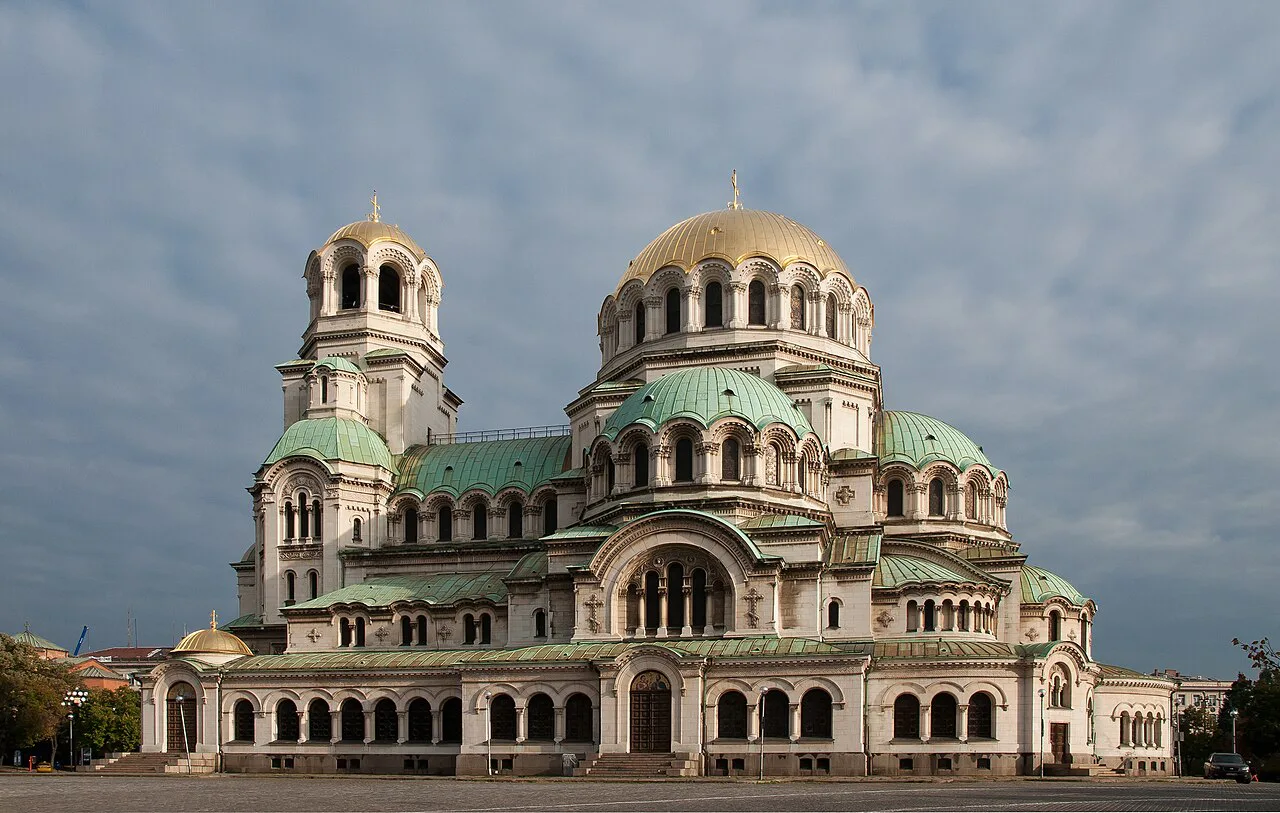
Sofia's core sights are clustered tightly enough to walk in a single day. The Alexander Nevsky Cathedral anchors the eastern end with its gold-leaf domes; the underground Serdica ruins sit directly under the metro station of the same name and are free to enter. The St. George Rotunda — the oldest standing building in the city, fourth century — is tucked into a courtyard behind the presidency and rarely crowded.
The free walking tour from the Palace of Justice runs daily at 11:00 and 14:00 and is the single best orientation for a first afternoon alone. Tip the guide 10–15 BGN (€5–€8) at the end. For a more curated route, our Things To Do in Sofia, Bulgaria guide breaks down the half-day, full-day, and 48-hour itineraries.
The Boyana Church Visitor Guide — a UNESCO site at the foot of Vitosha Mountain Visitor Guide — is the one detour worth a half-day. Bus 64 from Hladilnika metro takes 25 minutes and costs 1.60 BGN (€0.80). Going alone is straightforward; the site is staffed and the surrounding park is busy with locals on weekends.
Museums, Art, and Culture in the Capital
The National Art Gallery sits inside the former royal palace on Battenberg Square and pairs naturally with the National Ethnographic Museum next door — combined ticket 12 BGN (€6). Both are quiet enough that a solo visitor never feels conspicuous, and the gallery's top floor has a cafe with the best balcony view in the center.
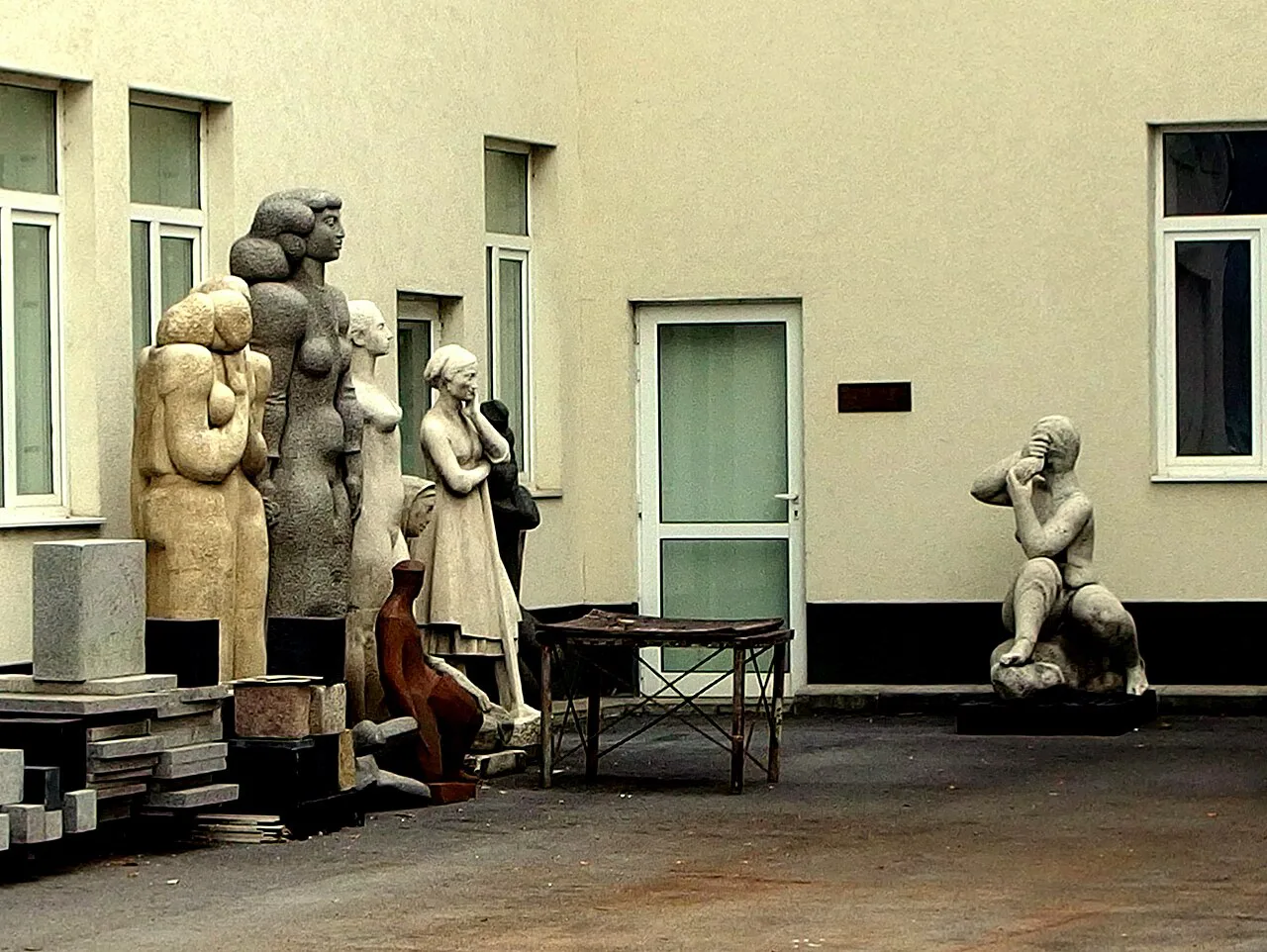
The Museum of Socialist Art on the eastern edge of the city collects the giant red star, Lenin statues, and political murals removed from public squares after 1989. Entry is 6 BGN (€3) and the outdoor sculpture park works as a 45-minute self-guided walk. It is one of the few museums in Europe where you can read communist-era propaganda posters in their original context.
Street art in Sofia rewards a slow eye. The strongest concentration runs along Oborishte and Shipka Street, and the courtyard behind the Largo (the Soviet-era government complex) often hosts rotating murals. Most pieces are signed with the artist's Instagram handle if you want to see more.
Parks and Outdoor Spots for a Solo Picnic
South Park is the most-used green space in Sofia and the easiest place to read alone without anyone treating it as unusual. Locals walk dogs, run, and sprawl on blankets from late morning onward. Pair it with takeaway from Furna or a banitsa from the kiosk at the NDK entrance.
Borisova Gradina is bigger and wilder, with the city's main running paths, the Vasil Levski Stadium, and a small lake near the Mausoleum-style monument at the southern end. Daylight hours feel busy and safe; at dusk the wooded paths thin out, so loop back toward the Eagles' Bridge entrance before sunset.
Vitosha Mountain is 25 minutes by tram and chairlift from the city center. The Aleko hut at 1,800 metres is a popular weekend day-hike start point and the trails are well-marked. Solo women hike here regularly; pick a Saturday for the most foot traffic if you would rather not be alone on the upper slopes.
Navigating Sofia: Airport Transfers and Public Transport
The metro from Sofia Airport to City Center: Your 2026 Transport Guide is the cheapest and least scammable option: 1.60 BGN (€0.80), 18 minutes, one direct line, no transfers. Buy the ticket from the kiosk inside Terminal 2 — card payment works — and tap in at the yellow turnstiles. Avoid drivers who approach you in the arrivals hall offering "taxi"; legitimate yellow-taxi prices to the center should not exceed 25 BGN (€13).
For taxi rides inside the city, install TaxiMe or Yellow before you land. Both show the fare upfront, dispatch metered yellow cars, and let you pay with a card. Hailing from the street works too, but only get into cars with the bright yellow livery and a printed price sticker on the rear passenger window — typical rates are 1.20 BGN per kilometre during the day, 1.50 at night.
The metro stops are signposted in Cyrillic first, Latin second, and the small Latin label can be hard to spot from a moving carriage. Memorise the four stations you will use most before you go — see the table below.
- Сердика — Serdika — central interchange, both lines.
- Софийски Университет — Sofia University — closest stop to Alexander Nevsky.
- Национален Дворец на Културата — NDK — south-center, near Vitosha Boulevard's quieter end.
- Летище София — Sofia Airport — terminus of Line 1.
Essential Bulgarian Food and Solo Dining Tips
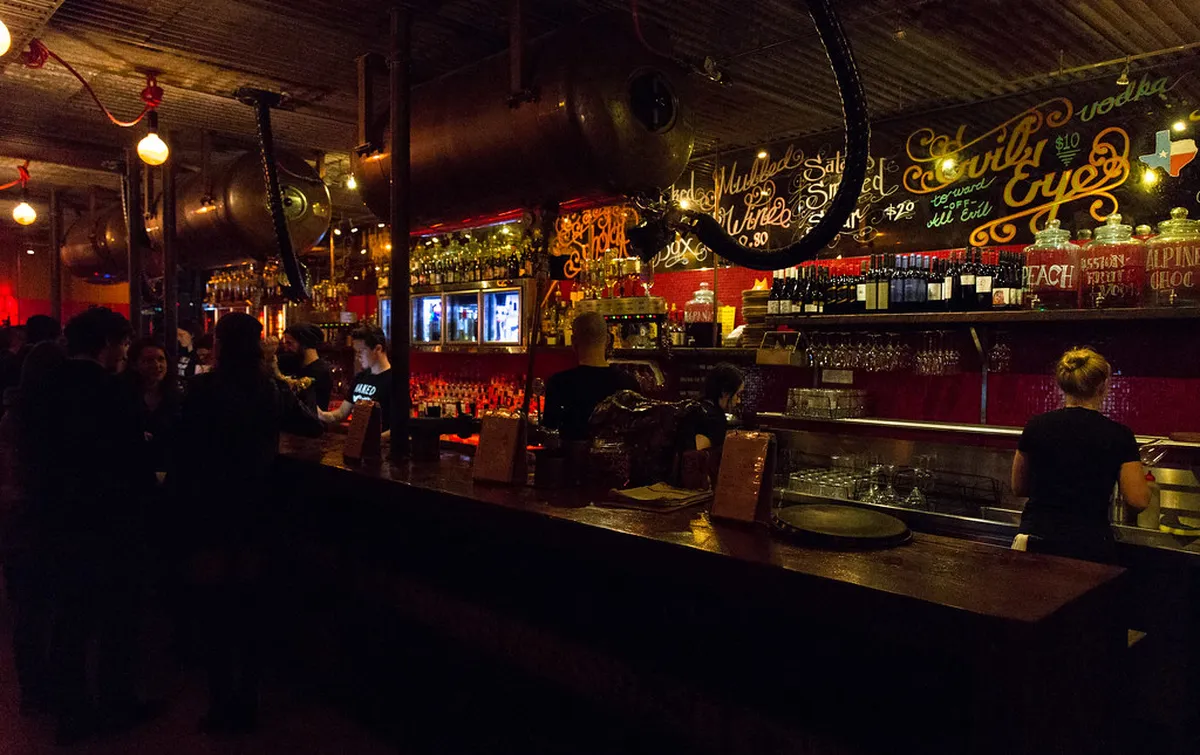
Eating dinner alone in Sofia is unremarkable to locals — bistros, soup bars, and food halls all see solo diners on a normal weekday. The trick is matching format to mood. A loud sit-down restaurant with paper tablecloths feels exposed if you have just landed; a counter-seat soup bar feels like a relief.
Supa Star (two locations, central) is the safest first-night choice: ten soups daily, 8–12 BGN (€4–€6), open kitchen counter where solo seats are normal. The Central Market Hall (Tsentralni Hali) on Maria Luiza Boulevard is the second pick — food stalls, communal high tables, banitsa for 3 BGN (€1.50). For a proper sit-down, Shtastliveca on Vitosha Boulevard is the local default; ask for a single-seat at the bar if the dining room feels too couple-heavy. You can also join a Bulgarian food tour in Sofia on your first day to map the rest of the food scene with company.
Carry small notes. Since Bulgaria adopted the euro on 1 January 2026, prices are dual-displayed in EUR and BGN through the end of the year and small bakeries, public toilets, and tram-ticket vending machines may still want a 1 or 2 BGN coin. Most cards work, but Apple Pay coverage at counters under €5 is patchy. The currency itself — the lev — remains legal tender alongside the euro through 2026.
- Supa Star — soup bar with counter seating, low pressure for solo diners, mains 8–12 BGN (€4–€6); order the cold tarator in summer.
- Central Market Hall — covered food hall, communal seating, low cost; banitsa and sirene are the staples.
- Shtastliveca — sit-down on Vitosha; ask for a bar seat if you want to read while you eat; mains 18–28 BGN (€9–€14).
How Much Does a Solo Trip to Sofia Cost?
Sofia is one of the cheapest capitals in the EU for a solo traveler, and the numbers in this guide add up to a transparent daily budget. A frugal day built around a hostel dorm, soup-bar meals, and the metro lands close to €30; a comfortable mid-range day with a private room and sit-down dinners sits around €70–€90. Nothing here is invented — every figure comes from the prices already quoted in the sections above.
| Daily expense | Typical cost (solo) |
| Bed — female dorm vs. private room | From €15 dorm / €35–€90 private |
| Soup-bar or food-hall meals | 3–12 BGN (€1.50–€6) per meal |
| Sit-down dinner (Shtastliveca) | 18–28 BGN (€9–€14) |
| Metro / tram ride | 1.60 BGN (€0.80) |
| Free walking tour (tip) | 10–15 BGN (€5–€8) |
| Rila Monastery Visitor Guide small-group day trip | €40–€55 |
Where the money actually goes is dinner and lodging, not getting around — a solo woman can cross the whole central district for under €1 a ride. The two big variables are how often you eat sit-down (a soup bar at €4–€6 versus a couple's-style restaurant at €9–€14) and whether you take the curated day trips. Budget travelers often spend more on a single Rila Monastery tour than on three days of meals.
💡 Good to know: The single best value-for-safety swap in Sofia is paying €2.50–€3.50 for a TaxiMe ride home after dark rather than walking an unlit route to save it — it is a rounding error against a soup-bar dinner, and it removes the one situation women most often flag.
Meeting People and Not Feeling Lonely as a Solo Woman
The most repeated piece of advice from women who have done Sofia alone is that the city is easy to enjoy without forcing yourself into a social schedule — but the social options are there when you want them. The free dinner at Hostel Mostel is the classic icebreaker: it puts a long table of solo travelers in one room on your first night, and the women-only dorm means you can keep that social side without sharing a sleeping room.
The 11:00 free walking tour from the Palace of Justice doubles as a meet-up — solo travelers cluster at the start point, and the two-hour loop is long enough to swap plans for the next day. A first-day Bulgarian food tour works the same way, mapping the food scene with company before you strike out on your own. If you would rather meet people through doing something, a Saturday hike up Vitosha Mountain has the most foot traffic, and a small-group Rila Monastery day trip is the lowest-effort way to spend a day with others.
For quiet company rather than conversation, the cafe culture in Lozenets and the balcony cafe on the top floor of the National Art Gallery are both places a woman can sit alone with a book for an hour without anyone treating it as unusual. Solo dining at a soup-bar counter like Supa Star carries the same low-pressure feel.
Practical Tips: Currency, Language, and Customs
Bulgaria switched to the euro on 1 January 2026, but the lev is still circulating in 2026 at the fixed rate of 1.95583 BGN to €1. ATMs dispense both depending on the bank; cards default to euro. Keep a small float of 10–20 BGN for the items where small change still rules: public toilets (1 BGN, about €0.50), ticket validators on older trams, and rural bakeries.
English is widespread among under-40s, hospitality staff, and metro signage. Older shopkeepers and bus drivers may not speak any. Three Bulgarian words go a long way: zdravei (hello), blagodarya (thank you), molya (please/you're welcome). Learning to recognise шест (6) and седем (7) on bus numbers saves real time.
For more nuanced cultural notes, Svet's Bulgaria travel tips covers the bits guidebooks miss. The single confusing one to remember on day one: Bulgarians shake their head for "yes" and nod for "no". Cab drivers and waiters will sometimes switch to the international convention when they realise you are foreign — and sometimes they will not. Confirm verbally.
Sofia Safety Tips and Common Scams to Avoid
Three areas earn the "after dark" caution from women who actually live in Sofia: the strip between the Central Railway Station and Lavov Most (Lions' Bridge), the Zaharna Fabrika district to the west, and the southern end of the bus terminal. The risk is not violent crime — it is poor lighting, sparse foot traffic, and a higher-than-average density of stag-do bachelor groups on weekends. None of these areas need to be on your itinerary.
If your hotel is north of the center and the obvious walking route from Sveta Nedelya goes through Lavov Most after 22:00, take this alternative: Maria Luiza Boulevard north as far as the Central Market Hall, cut east on Ekzarh Yosif to Tsar Simeon, then north to your destination. It adds eight minutes and stays on lit, populated streets the whole way. Or just put the address into TaxiMe and pay 5–7 BGN (€2.50–€3.50) for the cab.
Vitosha Boulevard south of NDK gets rowdy with pub-crawl groups on Friday and Saturday nights — usually harmless, sometimes loud. If you want a quieter walk home, parallel Solunska or Graf Ignatiev streets are calmer and equally well-lit. Always confirm the taxi meter is on before the car moves; "broken meter, fixed price" is the most common scam at airport pickups and outside Hotel Sofia.
Beyond the Capital: Must-See Landmarks in Bulgaria
A 11 Essential Tips for a Rila Monastery Day Trip From Sofia is the standard one-day excursion: 120 km south, frescoed courtyards, and the country's most important religious site. Solo female travelers report no issues; small-group day tours run €40–€55 and include the optional Boyana Church stop on the return.
Plovdiv — Bulgaria's second city — sits two hours east by train and is the better choice if you have a full weekend. The Roman theatre still hosts performances, the Kapana art district is full of independent cafes and women-owned boutiques, and the train fare is 12 BGN (€6) one way. The 2026 schedule runs eight trains daily, last return at 21:30.
For longer trips, a rail pass for Bulgaria covers Sofia to Veliko Tarnovo, Burgas, and Varna at flat-rate prices. Group tours into the Rhodope Mountains or Bansko ski region are the social option if multi-day solo intercity travel feels like too much for a first visit.
Sofia Solo Travel FAQs
The five questions below come up more than any others from women planning a first trip. Quick answers here; the FAQ section after this one has the longer schema-tagged versions Google indexes for the "people also ask" boxes.
How many days do I need? Two full days covers the central sights and one museum; three lets you add Boyana Church or a half-day in Vitosha Mountain. A four-day stop adds a Plovdiv day trip. Beyond that, treat Sofia as a base for the rest of Bulgaria.
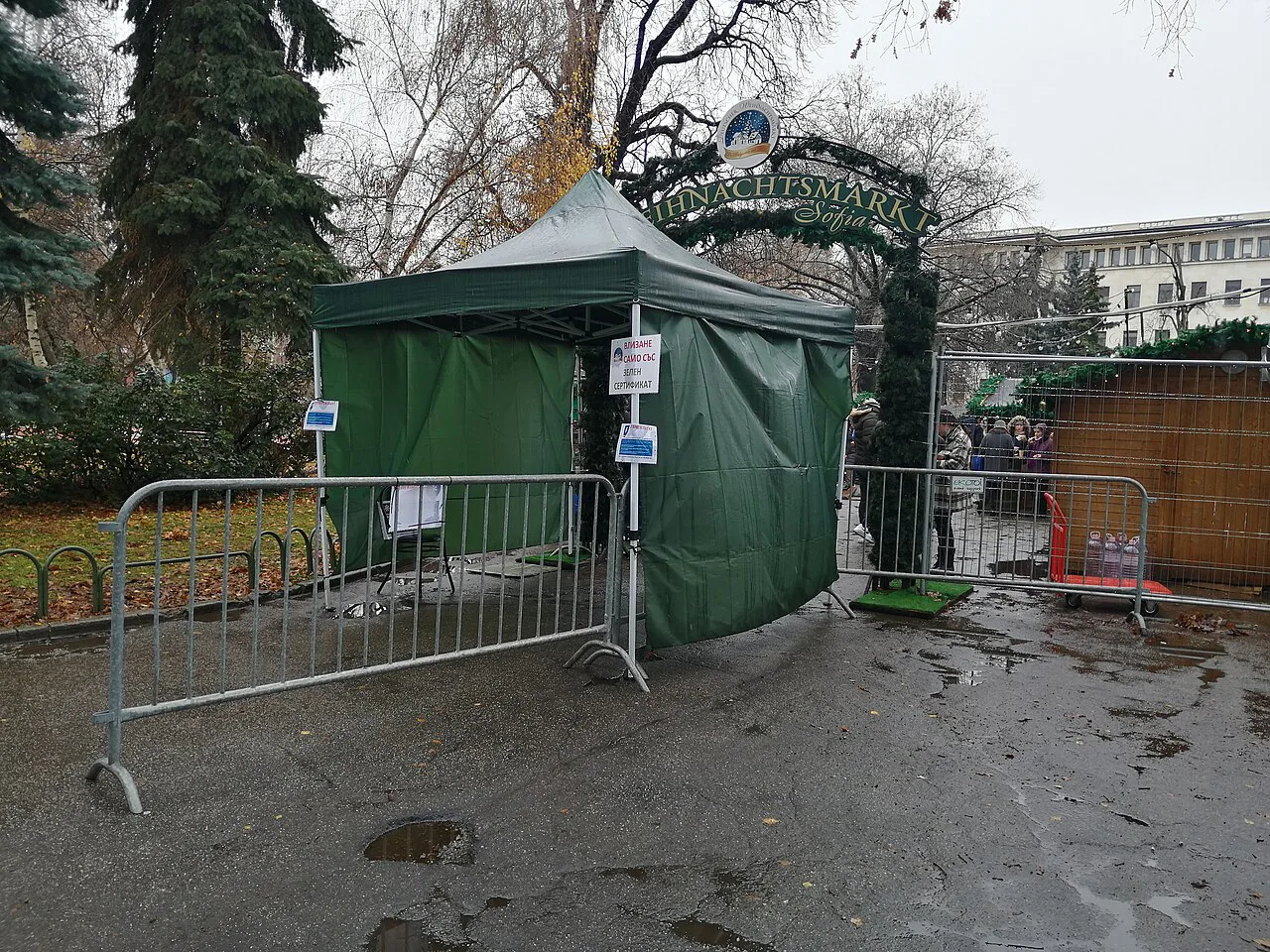
What is the best month? Late April through early June and mid-September through October give the cleanest balance of mild weather, low crowds, and full restaurant hours. July and August are hot (35°C is normal) and the city partly empties for the Black Sea coast. December's Christmas market on Vitosha Boulevard is genuinely good if you do not mind the cold.
Frequently Asked Questions
Is Sofia safe for solo female travelers at night?
Yes, Sofia is generally safe at night in the central areas. Stick to well-lit streets like Vitosha Boulevard and avoid the district north of Lions' Bridge after dark. Using a reputable taxi app is always recommended for late-night transport. Consult a Sofia Solo Travel Guide 2026 for more specific safety details.
Do people speak English in Sofia?
Most young people and staff in the tourism industry speak excellent English. You may find a slight language barrier with older generations or in very local markets. Learning a few basic Bulgarian words or having a translation app ready will help you navigate these situations easily.
Is Bulgaria cheap for solo tourists?
Bulgaria remains one of the most budget-friendly destinations in Europe. You can find high-quality meals for under 15 USD and comfortable hostel beds for even less. Public transport is also very inexpensive, with metro tickets costing only a few lev per journey.
Sofia rewards a solo female traveler who shows up with a plan: a central base, the metro Cyrillic four memorised, a small float of leva alongside her euros, and TaxiMe installed before takeoff.
The city is small enough to learn in a long weekend, cheap enough to extend without guilt, and friendly enough that getting lost is rarely a problem.
Use the routes and rules in this guide and you will spend the trip on the things that matter — frescoes, soup, mountain air — instead of safety guesswork.