
Plovdiv Food & Drinks Guide (2026)
Plovdiv food & drinks guide for 2026: must-try Bulgarian dishes, rakia, Thracian wine, restaurant picks by neighborhood, and 2026 meal price ranges.
On this page
Plovdiv Food & Drinks: A Complete 2026 Culinary Guide
Embark on a gastronomic adventure through Plovdiv, a city celebrated for its rich history and vibrant culinary scene. In 2026, Plovdiv continues to be a melting pot of flavors, blending ancient traditions with modern culinary innovations. This guide will navigate you through the must-try food and drink experiences that define Plovdiv's unique character. Whether you're seeking Romantic Things to Do in Plovdiv, Family-Friendly Activities in Plovdiv, or are a Solo Traveler, Plovdiv caters to every taste. Discover Budget-Friendly Things to Do and unearth Hidden Gems while indulging in the city's culinary delights. Our curated list offers an easy and detailed insight into the best Plovdiv has to offer in 2026.
1. Embark on a Plovdiv Food Walk: A Taste of Bulgaria
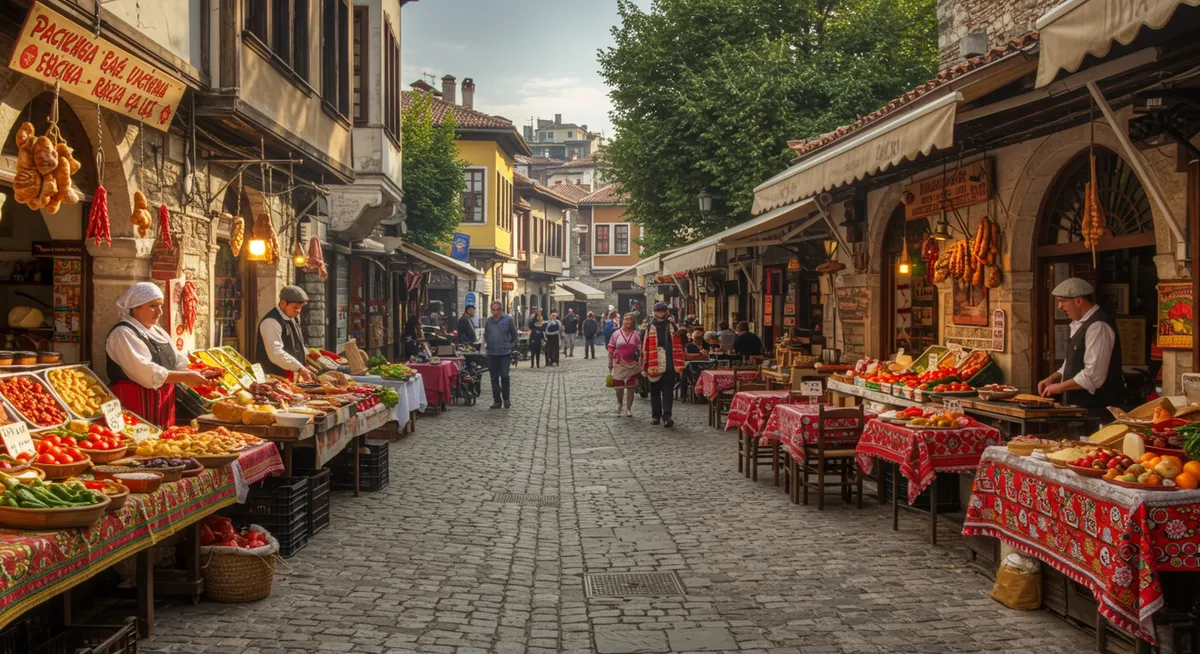
Discover the heart of Plovdiv through its vibrant culinary scene by embarking on a Plovdiv food walk. This immersive experience allows you to sample a variety of traditional Bulgarian dishes while exploring the city's charming streets. From savory pastries to hearty stews, each bite tells a story of local heritage and culinary traditions. Additionally, you'll learn about the history and culture behind each dish, making it a truly enriching experience.
For those seeking hidden gems in Plovdiv, a food tour often unveils local favorites tucked away from the main tourist paths. Most organized food walks depart from the Old Town gate and cover 6–8 tasting stops over roughly two hours; prices in 2026 range from 35–55 BGN (18–28 EUR) per person. Whether you are a seasoned foodie or just looking to try something new, a food walk in Plovdiv is an unmissable adventure. For self-guided exploration, pair this article with the Plovdiv walking tour guide to map out a logical route between eating stops.
2. Must-Try Bulgarian Dishes in Plovdiv: From Banitsa to Kavarma
No visit to Plovdiv is complete without working through the core canon of Bulgarian food. These are the dishes that locals eat daily and that define what eating in Plovdiv actually means in 2026. Discover the official traditional Bulgarian cuisine guide for historical context and regional variations of these iconic dishes.
- Banitsa — flaky filo pastry stuffed with sirene (white brine cheese) and egg, baked until golden. The quintessential Bulgarian breakfast. Found at every bakery from 6 AM; costs 1.50–2.50 BGN per piece.
- Shopska Salad — tomatoes, cucumbers, roasted peppers, onion, and a heavy grating of sirene. Bright, acidic, and served cold — the canonical Bulgarian starter at 8–12 BGN in most restaurants.
- Kebapche — thin, seasoned pork-and-beef sausages grilled over charcoal and served with chips or bread. A plate of five goes for 10–14 BGN at a fast-casual grill.
- Kavarma — slow-braised clay-pot dish of pork or chicken with peppers, mushrooms, and onion, finished with an egg cracked on top. One of the most comforting things to eat in Plovdiv; 12–16 BGN at a traditional mehana.
- Mekitsa — deep-fried dough fritters dusted with powdered sugar or topped with sirene and honey. A classic street breakfast or afternoon snack; 2–3 BGN each.
- Plovdiv-style Tarator — cold yogurt and cucumber soup with walnuts, dill, and garlic. Thicker and richer than the Sofia version, sometimes served as a dip alongside bread.
- Kapama — a hearty slow-cook of mixed meats, sauerkraut, and rice, traditionally eaten at Christmas but available year-round at Old Town mehanas. Expect 18–24 BGN for a full portion.
For the full context of where to eat these dishes by neighborhood, see the best restaurants in Plovdiv guide.
3. Sip on Local Wine: Discover the Thracian Valley Terroir
Plovdiv sits at the center of the Thracian Valley, Bulgaria's premier wine-growing region, with vines stretching south and east toward the Rhodope foothills. The terroir — hot summers, cool Aegean breezes, and free-draining soils — produces structured reds ideal for aging. For a comprehensive guide to Bulgarian wine regions, the official tourism portal offers detailed tasting notes and producer recommendations.
Mavrud is the indigenous flagship: a deep garnet red with plum, tobacco, and iron notes, it can age 10–15 years in good vintages. Planted almost exclusively around Plovdiv, it is the closest thing Bulgaria has to a Barolo-style identity grape. Rubin (a cross of Nebbiolo and Syrah developed in Bulgaria) gives softer, berry-forward reds that are far more approachable young. Both appear by the glass in Kapana bars from 5–7 BGN (2026 pricing); bottles at winery shops start at 18–25 BGN.
Top producers within a 30-minute drive include Villa Yustina, Katarzyna Estate, and Rumelia Winery — all offer cellar tours and tastings on weekdays; booking ahead is recommended from April through October. Many Kapana wine bars also carry small-batch bottles from producers that do not export, making this one of the best places to taste Bulgarian wine outside of a formal winery visit. For a half-day winery excursion paired with Old Town sightseeing, see our Plovdiv 1-day itinerary.
4. Experience the Coffee Culture: From Traditional to Trendy Cafés
Explore Plovdiv's thriving coffee culture, where traditional Bulgarian coffee rituals meet modern, trendy cafés. Experience the charm of sipping strong, aromatic coffee prepared in a cezve, a classic method passed down through generations. Alternatively, visit specialty coffee shops that feature innovative brewing techniques and globally sourced beans. As you explore Plovdiv, you'll notice how coffee serves as a social lubricant, bringing people together.
The highest concentration of specialty coffee shops sits in the Kapana Creative Quarter, where third-wave roasters have opened since 2022. Expect flat whites and pourover at 4–6 BGN; a traditional Turkish-style coffee in the Old Town runs 2–3 BGN. Café terraces along Knyaz Alexander I pedestrian street stay busy from morning until midnight in summer.
5. Explore the Craft Beer Scene: Unique Brews of Plovdiv
Delve into Plovdiv's burgeoning craft beer scene, where innovative breweries are redefining local flavors. Discover unique brews that blend traditional techniques with modern creativity. Sample a variety of locally produced beers, from hoppy IPAs to rich stouts, each reflecting the region's unique character. Many craft breweries also offer tours and tastings, providing an insider's look at the brewing process.
In 2026, Kapana has at least six dedicated craft beer bars, with local labels such as Breworx, 9 Hills Brewing, and Kapana Craft leading the scene. Pints range from 6–10 BGN on tap. Look for seasonal releases that incorporate Bulgarian hops and local fruit (cherry, quince, and rose hip variants are common). For the best after-dark options that blend craft beer with live music, the Plovdiv nightlife guide covers the full venue list.
6. Visit a Traditional Mehana: Authentic Plovdiv Dining
To truly immerse yourself in authentic Plovdiv food & drinks, a visit to a traditional mehana is essential. These charming restaurants offer not only delicious Bulgarian cuisine but also a cozy, rustic atmosphere that echoes the spirit of Plovdiv. Here, you can savor local specialties prepared with time-honored recipes, from hearty stews to grilled meats, all while enjoying live traditional music on weekends. A mehana provides a window into Bulgarian culture, making it a must-visit for anyone seeking a genuine culinary experience.
The Old Town concentrates the most atmospheric mehanas — look for wooden-beamed dining rooms built into 19th-century Revival-era houses. Dinner for two with rakia, meze starters, two mains, and a carafe of house wine typically runs 70–110 BGN (35–55 EUR) in 2026. Reservations are advisable on Friday and Saturday evenings in high season (June–September). For the full Old Town context, the Plovdiv Old Town guide pairs naturally with an evening mehana visit.
7. Rakia Tasting: Bulgaria's National Spirit and Plovdiv's Grape Varieties
No exploration of Plovdiv Food & Drinks is complete without indulging in rakia, Bulgaria's cherished national spirit. Rakia is a fruit brandy — traditionally made from grapes, plums, or apricots — and holds a central place in Bulgarian hospitality. Sharing a glass is a gesture of welcome, and refusing is considered mildly impolite in social settings.
Around Plovdiv, grape rakia (grozdova) is the default, distilled from the same Mavrud and Rubin grapes grown in the Thracian Valley. High-quality aged grape rakia is clear or pale gold, carries floral and dried-fruit notes, and is typically 40–50% ABV. Aged versions (aged in oak for 3–5 years) are darker and smoother; look for labels from Peshtera Distillery and Troyan Monastery for the best small-batch examples. Bulgaria's UNESCO cultural heritage sites document centuries of spirited traditions across the region.
You can find rakia in practically every mehana and bar in Plovdiv. A 50 ml glass costs 3–6 BGN for standard varieties; premium aged pours run 8–15 BGN. Rakia tasting sets (3 × 30 ml of different varieties) are available at several Old Town shops for 15–25 BGN — an excellent way to compare grape, plum, and apricot side by side. For a deeper dive into spirited evenings, see our Plovdiv nightlife guide.
8. Plovdiv Street Food: Banitsa Stands, Kebapche Grills, and Market Snacks
Discover the vibrant flavors of Plovdiv through its street food scene. Enjoy quick, delicious, and local eats as you explore the city. From savory snacks to sweet treats, Plovdiv's street food offers a culinary adventure on the go.
The best street-food corridor in 2026 runs from the Central Market Hall (Centralen Pazar) along the pedestrian boulevard toward Kapana. Highlights:
- Banitsa stands — bakeries open from 6 AM; cheese banitsa is 1.50–2 BGN, spinach or potato variants 1.80–2.50 BGN. Best paired with a glass of cold ayran (yogurt drink, 1 BGN).
- Kebapche grills — fast-casual grillhouses on the side streets near the Roman Stadium; five kebapche with bread and pickles runs 9–12 BGN.
- Central Market Hall — the covered market is the best spot for fresh produce, local cheeses (kashkaval and sirene sold by weight), cured meats (lukanka, sudzhuk), and jars of local honey and rose products. Open Mon–Sat 7 AM–6 PM.
- Mekitsa carts — appear near the market and Old Town entrance in the mornings; 2–3 BGN with honey or jam.
For anyone on a tight budget, street food makes Plovdiv one of the most affordable food cities in Southeast Europe. The budget-friendly things to do in Plovdiv guide has more money-saving tips.
9. Where to Eat in Plovdiv by Neighborhood (2026 Restaurant Guide)
Plovdiv's dining scene divides naturally into three zones, each with a distinct character and price range.
Old Town (Staria Grad)
The Old Town is the most atmospheric place to eat in Plovdiv, with mehanas and wine bars set inside restored 18th- and 19th-century mansions. Expect higher prices than the rest of the city (mains 18–30 BGN) but also the most memorable setting — carved wooden ceilings, stone courtyards, and views over the city's hills. Dinner reservations are strongly recommended on weekends. The Plovdiv Old Town guide covers the full neighborhood context.
Kapana (Creative Quarter)
Kapana is the city's hippest food neighborhood — a compact grid of cobbled lanes between the pedestrian boulevard and the Old Town, packed with craft beer bars, specialty coffee, tapas-style mezze spots, and modern Bulgarian bistros. Mains run 15–25 BGN. The energy here is young and international; many places post their menus in both Bulgarian and English. Lunch queues form quickly on weekdays — arrive before 12:30 or after 14:00 to skip the rush. Kapana also hosts regular food and street-art events; check the Plovdiv events calendar before your visit.
Center (Knyaz Alexander I Boulevard)
The main pedestrian boulevard offers the widest price range: budget gyros and fast food alongside mid-range Bulgarian restaurants and hotel dining rooms. It's the most convenient area for a quick lunch between sightseeing stops. The Roman Stadium ruins sit beneath the boulevard itself — several café terraces have direct views of the excavated arena, which makes for a memorable backdrop at breakfast or coffee (2026 average: 3–5 BGN for a coffee and pastry at terrace cafés).
10. Discover Rhodope Cuisine: A Mountainous Culinary Experience Near Plovdiv
Venture beyond Plovdiv to explore the culinary treasures of the Rhodope Mountains, just 40–60 minutes south by car or bus. This region offers a distinct gastronomic experience, characterized by hearty dishes crafted from locally sourced ingredients. Taste traditional Rhodope specialties such as cheverme (whole slow-roasted lamb over an open fire) and patatnik (a grated-potato pie with cheese, baked in a clay vessel), which highlight the area's rich pastoral heritage. The cuisine often incorporates unique mountain herbs — summer savory (chubritsa) and dried thyme — found growing wild at altitude.
A half-day road trip to the village of Bachkovo (home of Bachkovo Monastery, one of Bulgaria's largest) pairs a historic site visit with a meal at one of the roadside mehanas that serve fresh-caught trout from local mountain streams. The drive back to Plovdiv takes under an hour. For full day-trip options, see day trips from Plovdiv.
11. Sample Local Cheeses and Cured Meats: A Market Guide
Delve into the rich flavors of Plovdiv's local cheeses and meats, a cornerstone of Bulgarian gastronomy. Experience the unique tastes of cheeses like kashkaval (firm, yellow, slightly sharp — analogous to a young Gruyère) and sirene (soft white brine cheese, saltier and more crumbly than feta). Indulge in cured meats such as lukanka (flat, spiced salami seasoned with cumin and fenugreek) and sudzhuk (thin, dried horseshoe-shaped sausage with black pepper and caraway), both crafted using traditional methods passed down through generations.
The Central Market Hall is the best place to buy these directly from producers, typically at 10–18 BGN per 100–200 g for cheese and 8–14 BGN per 100 g for cured meats. Many delis will vacuum-seal purchases for travel. A mixed cheese-and-meat board at a mehana runs 18–28 BGN and makes an excellent shared starter before a main course.
Frequently Asked Questions: Plovdiv Food & Drinks
What is the most iconic dish to eat in Plovdiv?
Shopska salad is Plovdiv's most recognisable dish — tomatoes, cucumbers, roasted peppers, onion, and a generous grating of sirene (white brine cheese). It appears on virtually every menu in the city and pairs perfectly with a small glass of chilled rakia before your main course.
What is kavarma and where can I try it in Plovdiv?
Kavarma is a slow-braised clay-pot dish of pork or chicken with onions, peppers, mushrooms, and herbs. It is finished with an egg cracked on top and served bubbling in the terracotta dish. Order it at any traditional mehana in the Old Town — expect to pay 12–16 BGN (6–8 EUR) in 2026.
What grape varieties should I try from the Thracian Valley?
Focus on Mavrud — a dark, tannic indigenous red with notes of plum and tobacco, grown almost exclusively around Plovdiv. Rubin (a Nebbiolo x Syrah cross) is softer and berry-forward. Both appear by the glass in Kapana bars from around 5–7 BGN; bottles at winery shops start at 18–25 BGN.
How much does a typical meal cost in Plovdiv in 2026?
Budget meals (street banitsa, kebapche stand): 2–5 BGN (1–2.50 EUR). Mid-range mehana mains: 12–22 BGN (6–11 EUR) per dish. Modern Kapana bistros: 20–35 BGN (10–18 EUR) per main. A three-course dinner with wine at a quality Old Town restaurant averages 60–90 BGN (30–45 EUR) per person.
Is Kapana the best neighborhood for food in Plovdiv?
Kapana (the Creative Quarter) is the liveliest and most diverse dining area — craft beer bars, specialty coffee, tapas-style mezze, and fusion kitchens share the cobbled lanes. The Old Town offers the most atmospheric mehanas. The main pedestrian boulevard (Knyaz Alexander I) sits between them and has both budget spots and well-known chains.
Exploring the culinary landscape of Plovdiv is a journey through time and tradition. From the ancient flavors of traditional Bulgarian cuisine to the innovative creations of modern chefs, Plovdiv offers a taste for every palate. For a complete city plan, see our things to do in Plovdiv guide — and use the Plovdiv 3-day itinerary to structure your meals around the city's top sights. Start planning your food and drink adventure in Plovdiv today, and discover the delicious heart of Bulgaria's cultural capital!