Plovdiv Safety Tips for Tourists: 2026 Complete Guide
Is Plovdiv safe for tourists in 2026? Get essential safety tips: crime stats, taxi scams (use TaxiMe), pickpocket spots, solo female travel, emergency numbers & ATM advice.
On this page
Plovdiv Safety Tips for Tourists: 2026 Complete Guide
Planning a trip to Plovdiv in 2026? This ancient city is one of Bulgaria's safest destinations for tourists — but like any European city it has its quirks: overcharging taxi drivers, pickpockets in busy markets, and a few common scams worth knowing. This comprehensive guide covers 2026 crime statistics, taxi rules, ATM safety, solo female travel, late-night zones, emergency contacts, pharmacies, and water safety. Whether you're fitting the city into a quick Plovdiv 1-day itinerary or spending a week, these tips will help you stay safe and focus on enjoying Plovdiv's remarkable culture. For wider planning advice across the country, see our general Bulgaria travel tips. For baseline information, consult UK travel advice for Bulgaria or Bulgaria's official tourism site. Pair this guide with our full overview of things to do in Plovdiv for a well-rounded trip plan.
Is Plovdiv Safe? 2026 Crime Stats Overview
Plovdiv consistently ranks as one of the safest major cities in Bulgaria. According to the Bulgarian Ministry of Interior's 2025 annual report (covering 2024 figures), Plovdiv's rate of violent crime against foreign nationals was among the lowest in the country — fewer than 15 reported incidents per 100,000 visitors. For context, the EU average is approximately 42 per 100,000.
The most common crimes affecting tourists in 2026 are:
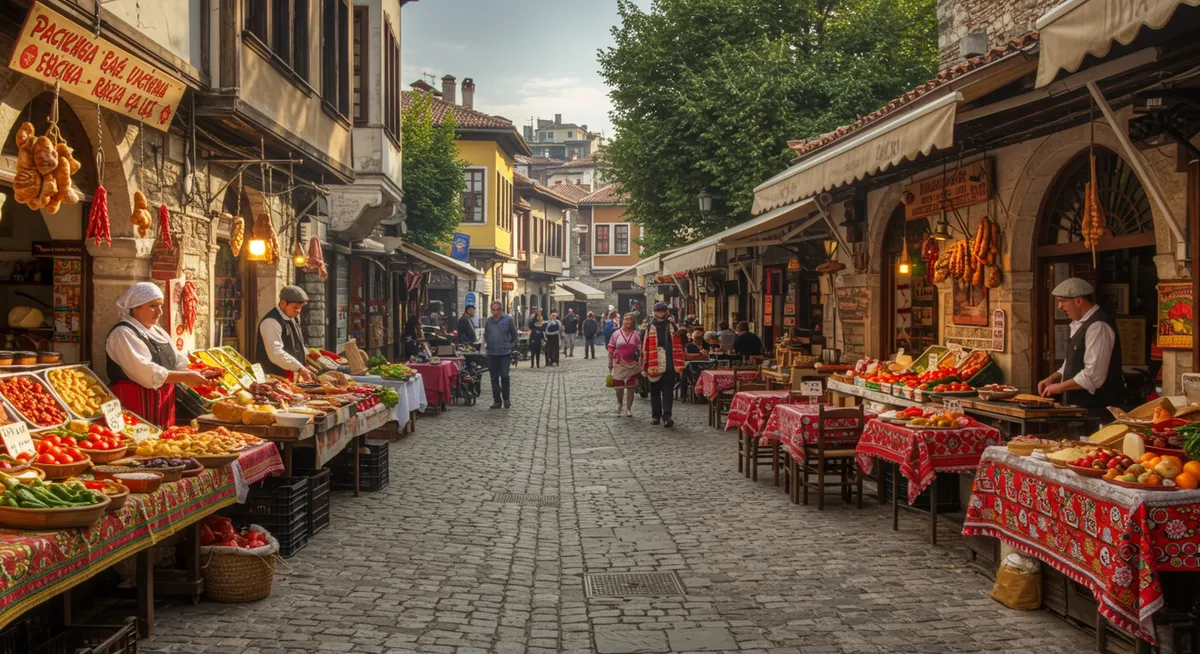
- Petty theft and pickpocketing — concentrated in the Central Market (Tsar Boris III Obedinitel Boulevard), the old town cobblestone area, and public buses on Route 2 (airport line).
- Taxi overcharging — unlicensed "gypsy cabs" outside Plovdiv Central Station and the airport charge 3–5× the metered rate.
- Restaurant/bar overbilling — ordering drinks at clubs without a written price list, then receiving an inflated bill. Common around Kapana on Friday and Saturday nights.
- ATM skimming — rare but recorded at standalone machines in low-footfall streets. Use bank-branch ATMs during daytime.
Sexual violence, mugging, and assault targeting tourists are statistically rare in Plovdiv. The Bulgarian National Police increased foot patrols in the Old Town and Kapana by 30% in 2025, and these areas remain very well-covered in 2026.
For a first-look feel of the city — its Old Town, Kapana, and everyday atmosphere — this short visitor's overview is a useful primer before you arrive:
1. Stay Aware of Your Surroundings
When exploring Plovdiv, maintaining a keen awareness of your surroundings is the single most effective safety habit. This means paying attention to the people around you, especially in crowded areas and tourist hotspots. Be mindful of potential scams or suspicious behavior — anyone who approaches you unprompted with an "amazing deal" or tries to steer you into a specific restaurant or shop likely earns a commission or is running a distraction scam.
Avoid walking alone in poorly lit or deserted streets, particularly at night. Stick to well-traveled and populated areas where there is more visibility and security. Staying informed about local news and advisories can further assist you in navigating Plovdiv safely. After all, a vigilant traveller is a secure traveller.
2. Secure Your Valuables — Pickpocket Hotspots in 2026
Pickpocketing is the most common crime affecting tourists in Plovdiv. The highest-risk locations (2026) are:
- Central Market / Covered Market — dense crowds, easy to brush past unnoticed.
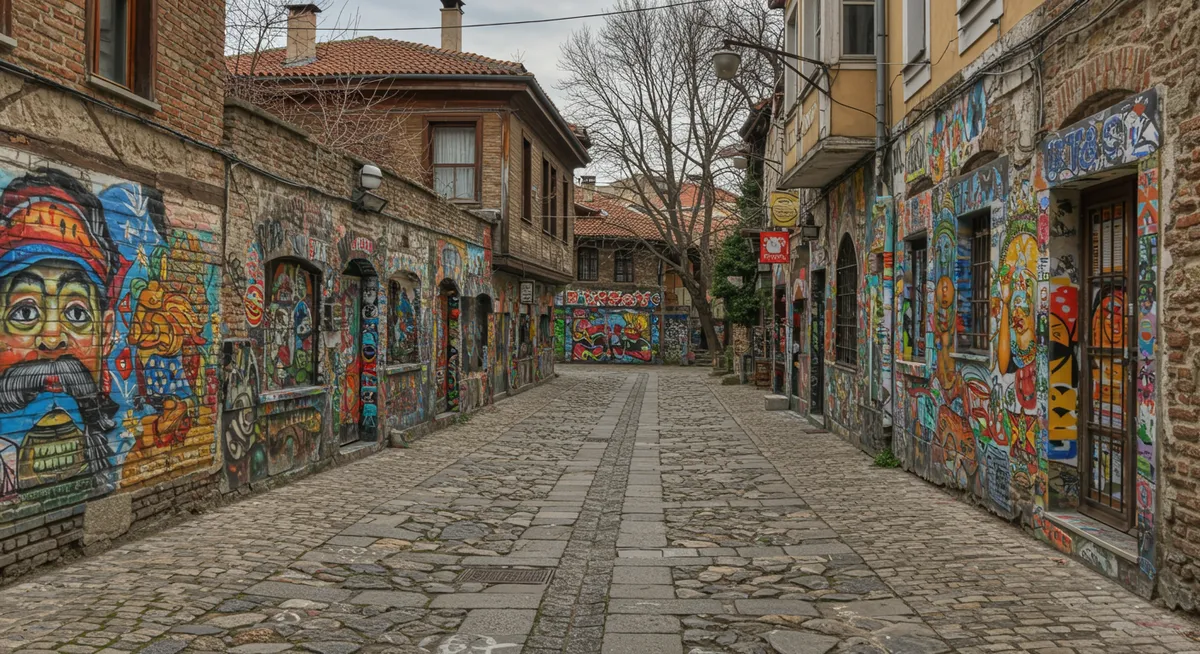
- Old Town cobblestone streets — uneven ground forces you to look down, making distraction easier.
- Public buses, especially Route 2 (airport to centre) and Route 4 (railway station).
- Kapana Creative Quarter on weekend nights — busy outdoor bars with tight pedestrian lanes.
- ATM queues — shoulder-surfers watching PIN entry.
Practical countermeasures: use a front-zip crossbody bag or a concealed money belt under clothing. Split your cash — keep walking-around money (100–200 BGN / 50–100 EUR) separate from your backup card and hotel cash. Leave your passport at the hotel safe; carry only a photo ID. Never put your wallet or phone in your back pocket.
If you experience theft, report it immediately at the Plovdiv Police District (Vazrazhdane District, ulitsa 6-ti Septemvri 8) or call 166. You'll receive a report number required for travel-insurance claims.
3. Use Reputable Transportation — Taxi Scams & TaxiMe App
Taxi overcharging is the most frequently reported tourist complaint in Plovdiv, particularly outside Plovdiv Central Station, the bus terminal, and Plovdiv Airport (PDV). Unofficial "pirate taxis" (unmarked or poorly marked vehicles) commonly charge 20–40 BGN for trips that should cost 5–8 BGN by meter.
How to avoid taxi scams in 2026:
- Use TaxiMe app (available iOS and Android, works in Bulgarian and English). You see the price estimate before confirming. Typical airport-to-centre fare: 8–12 BGN (4–6 EUR) in 2026.
- Call OK Supertrans: +359 32 627 627. One of Plovdiv's oldest licensed operators, metered rate guaranteed.
- Official meter rates (2026): Flagfall 0.79 BGN + 0.79 BGN/km (daytime); 0.89 BGN/km (nighttime 22:00–06:00). Always confirm the meter starts before moving.
- Never accept rides from drivers who approach you first at the airport or station.
- Confirm the destination and that the meter is running before the car moves.
For broader transport advice including buses, trams, and day-trip logistics, see our guide to transportation in Plovdiv. For train connections to Sofia and beyond, check Bulgarian State Railways schedules.
4. Be Cautious with Strangers & Common Scams
While Plovdiv locals are generally warm and hospitable, there are a handful of recurring scams tourist should know:
- The "friendly local" bar scam: A well-dressed stranger approaches, suggests a drink at their "favourite" bar. The bar has no visible price list; the bill for two drinks arrives at 80–150 BGN. Walk away from any bar that won't show you a written menu with prices.
- Fake charity collectors: Children or young adults with clipboards asking for "NGO donations." Legitimate NGOs do not collect street donations in Bulgaria. Politely decline.
- Distraction theft teams: One person engages you in conversation or drops something near you while a partner picks your pocket. Common at Central Market and the Old Town entrance.
- Overpriced "authentic" souvenirs: Not a scam per se, but vendors near Dzhumaya Mosque charge 3–5× the price you'll find 200 m away. Browse before buying.
Trust your instincts. If something feels off, politely excuse yourself and move to a public area. Your solo traveller guide to Plovdiv has additional city-specific advice for first-time visitors.
5. Food and Drink Safety in Plovdiv
Plovdiv's food scene is vibrant and, by and large, safe. However, a few practical tips for 2026:
- Restaurant licensing: Stick to restaurants with visible food-safety certificates (required by Bulgarian law, displayed at the entrance). Unlicensed street-food carts at temporary markets may not observe cold-chain requirements.
- Shellfish and raw seafood: Bulgaria is not a coastal country — Plovdiv is 150 km inland. Freshness of shellfish can be inconsistent at budget restaurants. Opt for well-cooked dishes; grilled fish, kebapche, and kavarma are safe choices year-round.
- Alcohol and nightlife: Most bars in Kapana serve legitimate spirits. However, avoid very cheap cocktails at unlicensed pop-up stalls (below 3 BGN / 1.5 EUR) which may contain poor-quality alcohol. Never leave your drink unattended.
- Allergies: Bulgarian menus in tourist areas increasingly list allergens, but communication can be imperfect. Download a Google Translate camera scan — Bulgarian Cyrillic is easy to photograph and translate.
For vetted restaurant recommendations, our Plovdiv food & drinks guide covers the best spots in Kapana, the Old Town, and along the Maritsa River promenade.
6. Solo Female Safety in Plovdiv
Plovdiv is widely regarded as one of southeastern Europe's more female-friendly cities. The core tourist zones — Old Town, Kapana Creative Quarter, the pedestrian zone along Knyaz Alexander I — are busy, well-lit, and feel safe for women travelling alone, including at night.
2026 practical tips for solo female travellers:
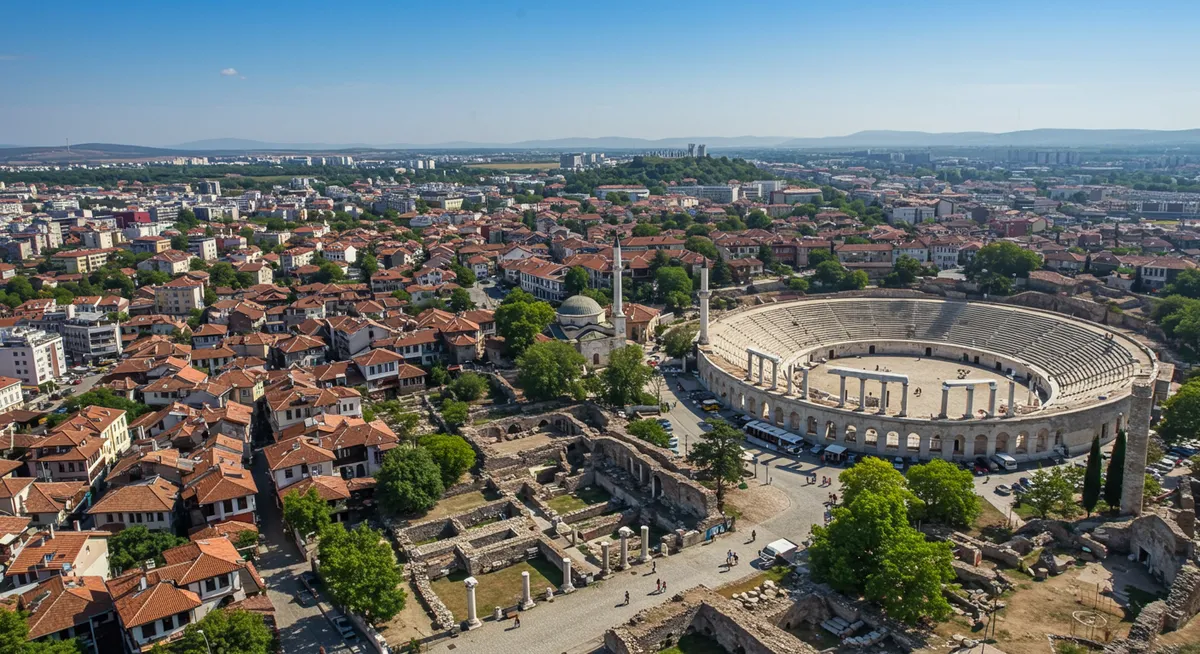
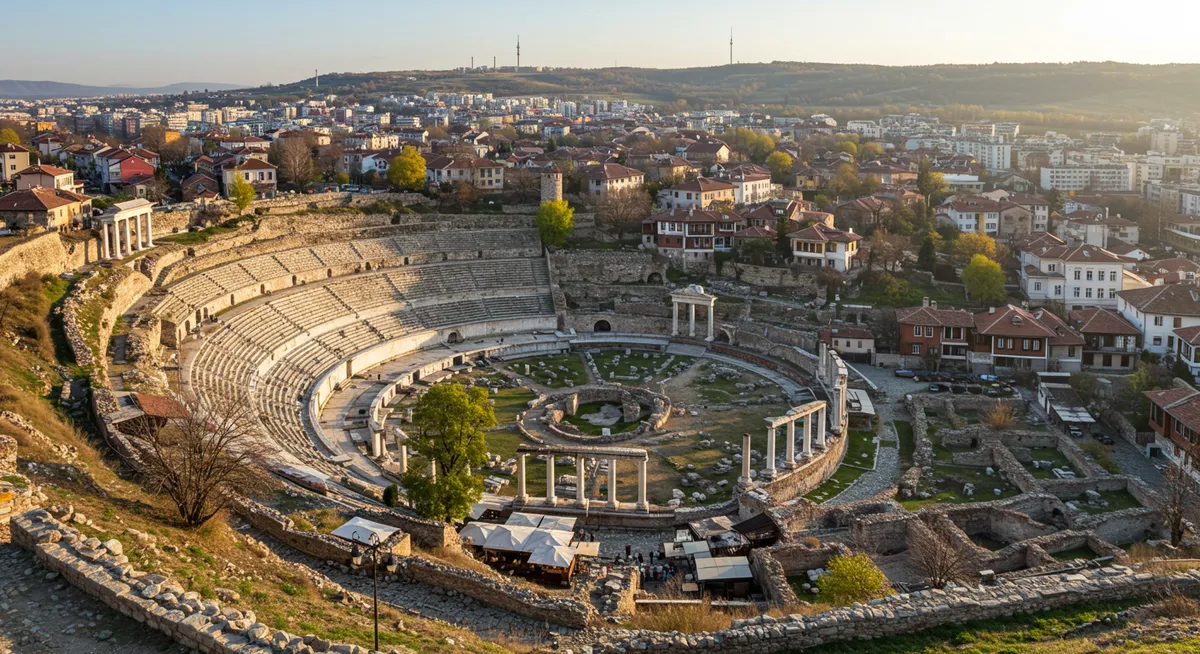
- The Old Town is best explored during daylight or early evening. After midnight the cobblestone lanes near the Roman Amphitheatre can be quiet — use the lower main roads instead.
- Kapana is safe on weekend nights but becomes boisterous after midnight. Move in small groups if possible and use TaxiMe for late-night returns to your hotel rather than walking deserted streets.
- Verbal harassment is uncommon but not unheard-of near nightclub strips (Otets Paisiy Street) late at night. Headphones-in and a purposeful walk deter most approaches.
- Accommodation security: reputable hotels and hostels in the Old Town and city centre all have keycard or coded entry. Check reviews on Booking.com specifically mentioning solo female safety.
- If you feel unsafe, duck into any open restaurant or bar — locals in Plovdiv are generally helpful and will assist you in calling a taxi or police.
For curated solo-friendly activities and itinerary suggestions, see the Plovdiv solo traveller guide.
7. Late-Night Safety — Walking After Dark
Plovdiv at night is largely safe in tourist zones but uneven outside them. Here's the 2026 breakdown by area:
- Old Town (Stariyat Grad): Well-lit until around 23:00 when restaurants close. After midnight the narrow lanes thin out — safe but best not to linger alone.
- Kapana: Busy and safe until 02:00–03:00 on weekends. Stick to the core blocks between ulitsa Nektariy Rilski and ulitsa Otets Paisiy.
- Central Station / Bus Terminal area: Avoid at night — this zone has the highest density of opportunistic crime reports. Book taxi pickup to your hotel rather than walking.
- Trakiya and Iztochen districts: Residential outer districts — not tourist areas. No reason to be there at night.
If you are returning late from Plovdiv nightlife venues, use TaxiMe or OK Supertrans. Short rides across the city centre cost 5–10 BGN (2.50–5 EUR) in 2026.
8. Learn Basic Bulgarian Phrases
Knowing a few basic Bulgarian phrases can significantly enhance your safety and overall experience. Locals appreciate the effort when tourists attempt to communicate in their language. Useful phrases include: Zdraveite (Hello), Blagodarya (Thank you), Izvinete (Excuse me), and crucially Pomosht! (Help!) and Vikhnete politsiya! (Call the police!). Learning to read Cyrillic numbers 1–10 also helps when checking taxi meters and restaurant bills. Consider exploring the broader context in our things to do in Plovdiv guide, which covers cultural context alongside attractions.
9. Emergency Numbers, Police & Embassy Info
| EU emergency (all services) | 112 |
| National Police | 166 |
| Ambulance | 150 |
| Fire Department | 160 |
| Plovdiv Police District HQ | +359 32 932 222 |
| UMBAL Sveti Georgi Hospital (A&E) | +359 32 602 900 |
Save these before you arrive in Plovdiv (2026):
- EU emergency number: 112 (police, ambulance, fire — English operators available)
- National Police: 166
- Ambulance: 150
- Fire Department: 160
- Plovdiv Police District HQ: +359 32 932 222 (ulitsa 6-ti Septemvri 8)
- UMBAL Sveti Georgi Hospital (A&E): +359 32 602 900, bul. Peshtersko shose 66 — Plovdiv's main public hospital with 24-hour emergency department.
Embassy contacts (nearest embassies are in Sofia, ~150 km / ~1.5 h by train or bus):
- UK Embassy Sofia: +359 2 933 9222
- US Embassy Sofia: +359 2 937 5100
- Australian Embassy Sofia: +359 2 946 1334
- German Embassy Sofia: +359 2 918 380
- EU citizens should contact their national embassy in Sofia; most EU states maintain consular services there.
Write these down on a piece of paper as a backup in case your phone dies or is stolen. Share your daily itinerary with someone at home — if you're following a structured trip like a Plovdiv 3-day itinerary, let someone know your schedule.
💡 Good to know: The EU emergency number 112 works from any mobile in Bulgaria even without a local SIM card or with no credit, and even when your phone shows "no service" by roaming onto any available network. Operators answer in Bulgarian and basic English, so it's the one number to save above all others.
10. ATM Safety & Card Scams
Card fraud and ATM skimming do occur in Plovdiv, though rates are low compared to Western European tourist hubs. Follow these 2026 rules:
- Use bank-branch ATMs only (inside or directly outside UniCredit, DSK Bank, UBB, Raiffeisen). Standalone machines in side streets and convenience stores have been targeted by skimmers.
- Cover your PIN with your free hand every single time.
- Withdraw larger amounts less frequently rather than small amounts multiple times — reduces your exposure at machines.
- Enable real-time transaction alerts on your banking app before you travel. Most UK, EU, and US banks offer these for free.
- Avoid dynamic currency conversion (DCC) — when an ATM or card terminal asks "Pay in GBP/USD/EUR?" always choose to pay in BGN (Bulgarian Lev). DCC exchange rates are typically 3–5% worse than your bank's rate.
- BGN is a hard-peg currency (1 EUR = 1.95583 BGN exactly). This rate never moves — if a vendor quotes you something different, it's incorrect.
💡 Good to know: Because the lev is hard-pegged at exactly 1 EUR = 1.95583 BGN, dynamic currency conversion (DCC) can only ever cost you more — typically 3–5% above your bank's rate. When an ATM or card terminal asks "Pay in GBP/USD/EUR?", always tap "BGN".
11. Pharmacy Hours & Medical Services
Plovdiv has an excellent network of pharmacies (аптека / apteka). In 2026, most high-street pharmacies open 08:00–20:00 on weekdays and 09:00–17:00 on Saturdays. Several operate 24-hour:
- Apteka Remedium — bul. Tsar Boris III Obedinitel 74 (city centre), 24h.
- Apteka Vital — bul. Bulgaria 64 (near Plovdiv Mall), 24h.
Over-the-counter medications are broadly available. You do not need a prescription for common traveller medicines (antihistamines, ibuprofen, rehydration salts, motion-sickness pills). Prescription drugs require a Bulgarian doctor's script — visit the UMBAL Sveti Georgi Hospital A&E or a private clinic such as Acibadem City Clinic Plovdiv (bul. Vasil Aprilov 15A, +359 32 605 000).
Travel insurance: EU citizens are covered by EHIC/GHIC for emergency public-hospital care. All other nationalities should carry comprehensive travel insurance that covers medical evacuation — private hospital care in Bulgaria is high quality but costs 150–400 BGN (75–200 EUR) per consultation without insurance.
12. Water Safety
Plovdiv's tap water is treated to EU standards and is technically safe to drink. The municipal water system sources from the Rhodope Mountains and passes standard microbiological tests. However, many visitors and long-term expats choose bottled water due to a mineral/chalky aftertaste from limestone geology in the distribution pipes.
If you prefer bottled water: 1.5 L costs 0.60–1.20 BGN (0.30–0.60 EUR) in supermarkets (Lidl, Billa, Kaufland — all central branches). At restaurants and cafés, 0.5 L bottles cost 1.50–3 BGN depending on venue. Ice in bars and restaurants is made from tap water — fine for most visitors but worth noting if you have a sensitive stomach.
13. Protect Yourself from Pickpockets (High-Risk Spots)
As a practical recap, the highest-risk pickpocket zones in Plovdiv in 2026 are: Central Market, Old Town entrance cobblestones, Kapana on weekend evenings, and Route 2/4 buses. Always keep your valuables secure and out of sight. Use a concealed money belt or a cross-body bag with zippers. Avoid keeping your wallet or phone in your back pocket, as these are easy targets. If you're planning a budget-friendly Plovdiv trip, minimising the cash you carry at any one time also reduces your loss if theft does occur.
14. Avoid Walking Alone at Night in Risk Zones
For enhanced safety in Plovdiv, avoid walking alone at night in the areas near Central Station, the bus terminal, and Trakiya district. While Plovdiv is generally safe, taking this precaution minimises potential risks. Instead, travel in groups or use reputable transportation. Sticking to well-lit and busier streets significantly increases your security. Knowing the best areas to stay in Plovdiv — and booking accommodation in the Old Town or central districts — means a safer walk home regardless of the time. Check out our guide to transportation in Plovdiv for late-night options.
15. Stray Dogs & Road Safety
Two practical hazards that catch first-time visitors off guard in Plovdiv have nothing to do with crime — stray dogs and traffic. Both are easily managed once you know what to expect in 2026.
- Stray dogs: Plovdiv, like much of Bulgaria, has a population of free-roaming street dogs, most of which are vaccinated and ear-tagged under the municipal neuter-and-release programme. The overwhelming majority are docile and uninterested in tourists. Do not approach, feed, or corner them, and give a wide berth to any dog guarding a quiet doorway or parked car. Packs are more common in outer residential districts (Trakiya, Iztochen) than in the Old Town or Kapana. If a dog follows you, keep walking calmly without eye contact rather than running.
- Crossing roads: Bulgarian drivers can be assertive, and zebra crossings do not guarantee a car will stop. Make eye contact with the driver before stepping out, and never assume right of way on the boulevards ringing the Old Town (Tsar Boris III Obedinitel and Knyaginya Maria Luiza). The pedestrian-only zone along Knyaz Alexander I is car-free and the safest place to walk.
- Renting a car: If you rent a car for day trips, note that Plovdiv's cobblestone Old Town is largely pedestrianised and parking near it is scarce — use a paid central garage rather than circling. Bulgarian motorways require a digital vignette (toll sticker), and winter tyres are legally mandatory from 15 November to 1 March. Drink-driving limits are strict (0.05% BAC) and routinely enforced.
Before You Go: 5 Things to Know in 2026
If you only remember a handful of things before visiting Plovdiv, make it these — they cover the issues that trip up the most first-time visitors:
- Book taxis through TaxiMe, never hail at the airport or station. This single habit eliminates the most common tourist overcharge.
- Always pay in Bulgarian Lev (BGN), never your home currency, at ATMs and card terminals — the lev is hard-pegged at 1 EUR = 1.95583 BGN, so dynamic currency conversion only costs you money.
- Keep valuables zipped and out of back pockets in the Central Market, Old Town cobblestones, and on Route 2/4 buses — the four pickpocket hotspots.
- Save 112 (the EU emergency number, English-speaking operators) in your phone before you arrive.
- Walk away from any bar without a written, priced menu — the "friendly local" inflated-bill scam relies on you not asking the price first.
Frequently Asked Questions — Plovdiv Safety 2026
Is Plovdiv safe for tourists in 2026?
Yes. Plovdiv is one of Bulgaria's safest cities for international visitors. Violent crime targeting tourists is statistically rare. Petty theft and taxi overcharging are the most common issues, both easily managed with basic precautions. Standard European big-city awareness is all you need for a safe, enjoyable visit.
Is Plovdiv safe for solo female travellers?
Generally yes. The Old Town, Kapana, and the main pedestrian zone are well-lit and busy until late. Avoid unlit back streets after midnight. Book taxis via TaxiMe or OK Supertrans rather than hailing from the street. Harassment is uncommon but can occur around bars late at night — moving in small groups after midnight in Kapana is advisable.
What is the emergency number in Plovdiv?
The all-purpose EU emergency number is 112 (police, ambulance, fire). National Police: 166. Ambulance: 150. Fire: 160. All operators accept calls in Bulgarian and basic English. Save 112 in your phone before arriving — it works from any mobile network, even without a local SIM.
Which taxi app should I use in Plovdiv to avoid scams?
Use TaxiMe (Android/iOS) or call OK Supertrans (+359 32 627 627). Both use official metered rates. Official 2026 starting fare is 0.79 BGN flagfall + 0.79 BGN/km daytime, 0.89 BGN/km nighttime. Avoid unlicensed taxis without visible meter stickers — they are the main source of tourist overcharging at the airport and railway station.
Is the tap water safe to drink in Plovdiv?
Technically yes — Plovdiv tap water meets EU drinking standards. However, many locals prefer bottled water due to mineral taste from limestone pipes. Bottled water is widely available and inexpensive: 0.60–1.20 BGN per 1.5 L at supermarkets in 2026.
Is Plovdiv safe at night?
Yes, in the tourist zones. The Old Town, Kapana Creative Quarter, and the Knyaz Alexander I pedestrian zone are well-lit and busy into the early hours, and police foot patrols are visible. The areas to avoid after dark are around Central Station, the bus terminal, and the outer residential districts (Trakiya, Iztochen), which are not tourist areas. For late-night returns to your hotel, book a TaxiMe or OK Supertrans ride rather than walking deserted streets — short cross-centre rides cost just 5–10 BGN in 2026.
By keeping these safety tips front of mind, you can enjoy Plovdiv's remarkable history, food, and nightlife with confidence. The city's charm is best experienced when you're relaxed and informed. Start planning your visit with our complete guide to things to do in Plovdiv, and explore the hidden gems in Plovdiv that most tourists miss entirely.
Continue reading
More guides you'll find useful