Plovdiv Weekend Itinerary: 9 Key Sections for a 2-Day Trip
Plovdiv is one of the most rewarding short-break destinations in the Balkans, and you need only a weekend to feel why. The city is 8,000 years old — the oldest continuously inhabited city in Europe — yet it carries that history lightly. Roman ruins sit beneath a pedestrian shopping street. Colorful 19th-century Revival mansions look down on a neighbourhood of craft-beer bars and street-art murals. Two days here leaves most visitors already planning a return trip.
This 2026 guide covers everything you need for a smooth Plovdiv weekend: a day-by-day plan, the must-see attractions, where to eat and sleep, and how to reach the city from Sofia. It also flags a few local angles the usual tourist trail misses. You can find a broader list of Best Things to Do in Plovdiv: Complete 2026 Guide if you want to go deeper than two days allows.
Essential Plovdiv Logistics: Getting There and Around
Almost every visitor arrives via Sofia. The two cities are 150 km apart, and the transfer is easy. Buses leave Sofia's Central Bus Station roughly every 30–60 minutes and cost around BGN 15–18 (€7–9). The journey takes about two hours on the motorway. Trains are slower — closer to two and a half hours — but the route through the Maritsa valley is scenic and tickets cost roughly the same. Private transfers run around €50 each way and make sense if you are travelling in a group of three or more with luggage.
If you fly directly into Plovdiv Airport (PDV), taxis to the city centre charge BGN 25–35 (€12–18) for the 15 km ride. Book a metered cab from the official rank rather than accepting offers inside the terminal. During summer, confirm the meter is running before you set off.
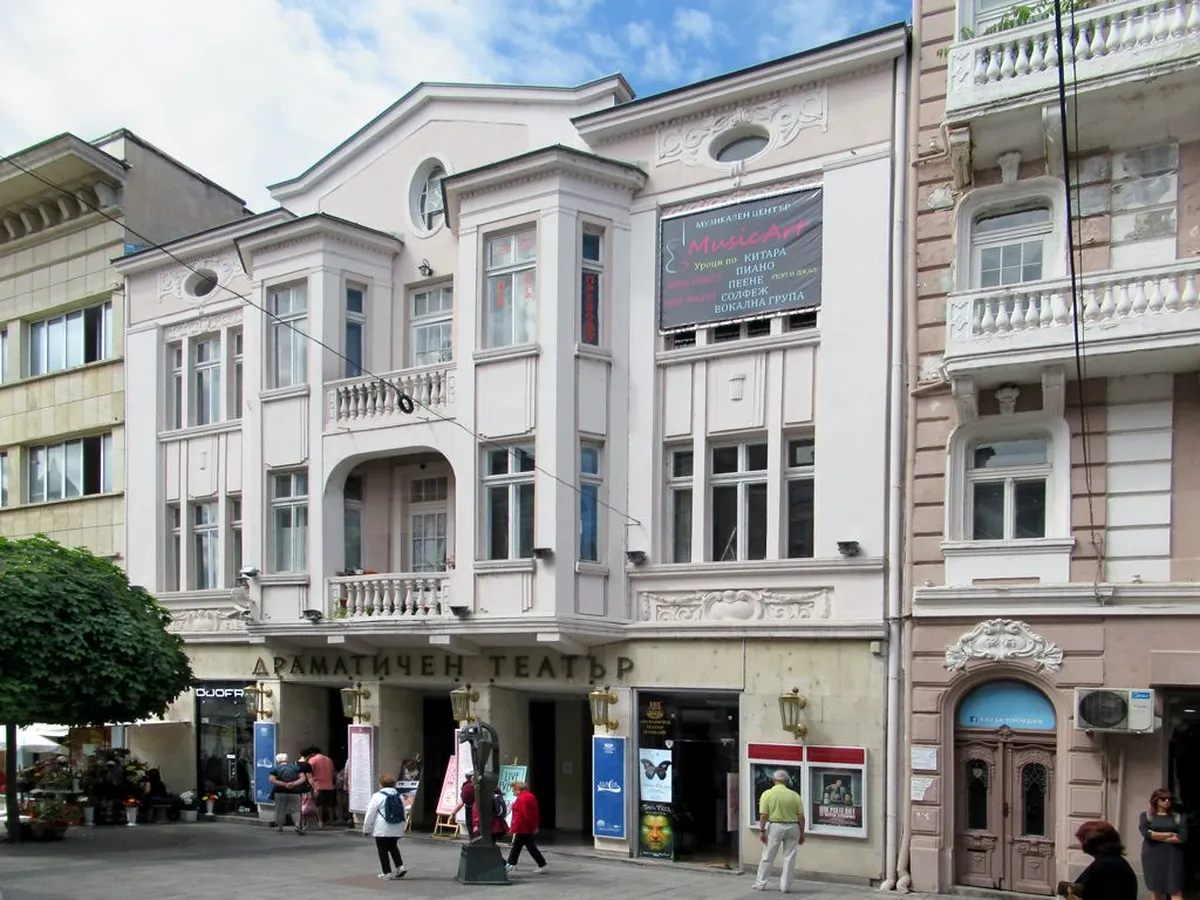
Once in the centre, Plovdiv is almost entirely walkable. The Old Town, Kapana, the main pedestrian boulevard, and Tsar Simeon Garden form a compact corridor you can cross in twenty minutes. The Roman Theatre, Alyosha Monument, and most restaurants all fall within that same radius. You will only need a taxi for Plovdiv Airport arrivals or a day trip further afield.
| Option | Duration | Cost (per person) | Notes |
|---|---|---|---|
| Bus (Sofia → Plovdiv) | ~2 hrs | BGN 15–18 (€7–9) | Most frequent, departs every 30–60 min |
| Train | ~2.5 hrs | BGN 12–16 (€6–8) | Scenic route; fewer departures |
| Private transfer | ~1.75 hrs | €45–60 total | Best value for 3+ travellers with bags |
| Plovdiv Airport taxi | ~20 min | BGN 25–35 (€12–18) | Use metered rank taxis only |
Day 1: Roman Ruins and Old Town Wandering
Start at 09:00 with the free walking tour that departs from Plovdiv City Hall at 11:00. If you arrive early, use the first two hours to walk the main pedestrian boulevard and find the exposed Roman Stadium beneath the pavement — dozens of marble columns are visible through a glass-floored viewing area at street level, free to see any time. Admission to go below ground is BGN 6 (€3).
The free walking tour runs until roughly 13:30 and covers the Old Town hills, the Dzhumaya Mosque Visitor Guide (one of the oldest in the Balkans, still functioning, free entry), and the layers of Thracian, Roman, and Ottoman history stacked across the six surviving hills. The guides are invariably excellent storytellers. It is tip-based — BGN 10–20 (€5–10) per person is appropriate.
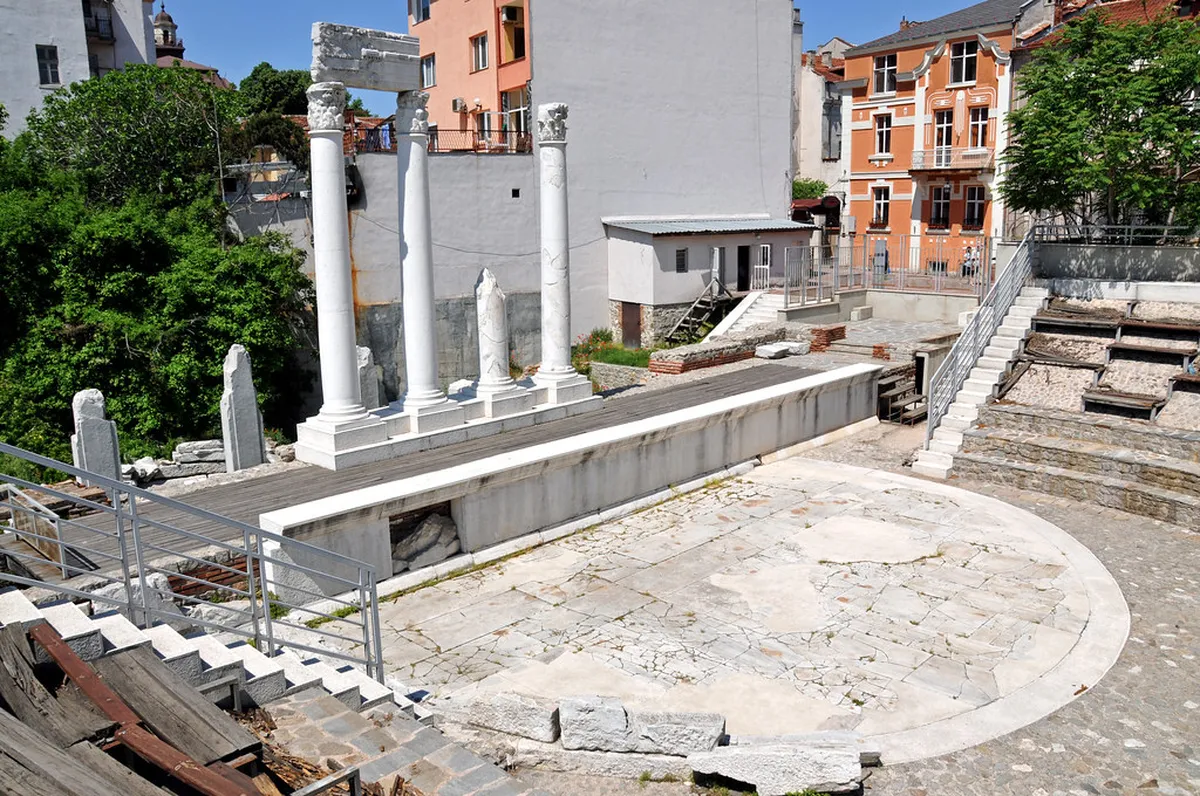
After lunch in the Old Town, head to the Ancient Theatre of Philippopolis. Buy tickets in advance if a concert or opera performance is scheduled — shows sell out. General daytime admission is BGN 8 (€4). The theatre seats 7,000 and is one of the best-preserved Roman venues in the world. The viewing angle from the top row at 16:00, when afternoon light hits the stage, is the best photo opportunity in the city.
End the day at Nebet Tepe Visitor Guide, the highest point in the Old Town. The fortress ruins date back to Thracian times. Arrive around 19:30 in summer for a long sunset over the Rhodope Mountains — you will share the hilltop with locals, cats, and a scattering of other photographers. The walk up from the main Old Town street takes about ten minutes.
Day 2: Kapana Creative District and Alyosha Hill
Kapana — the word means "trap" in Bulgarian, a reference to its maze of narrow interconnecting lanes — is Plovdiv's creative quarter. It was a neglected car park during the communist era and reinvented itself after Plovdiv was named European Capital of Culture in 2019. Spend the morning here. By day, it is all outdoor coffee drinkers, gallery browsers, and craft-shop hunters. Arrive by 10:00 before the tables fill up and wander without a map.
After coffee, visit the Kapana Quarter street-art circuit on foot — many murals change seasonally. Then cross the boulevard to Tsar Simeon Garden Visitor Guide. This is where Plovdiv's park culture is on full display: chess players, retired dancers practising folk routines on weekday mornings, and the best ice-cream kiosk in the centre (Afreddo Gelateria, white chocolate and pistachio is the local order). The garden takes about thirty minutes to cross at a leisurely pace.
In the afternoon, tackle Danov Hill for the Alyosha Monument Visitor Guide. The hill is steeper than it looks — allow twenty minutes up and fifteen down. The payoff is a panoramic 360-degree view that extends to the Rhodope range on clear days. The Soviet-era monument at the summit is 11 metres tall and polarising among locals, but the view is not. Pick up drinks at the Billa supermarket on the pedestrian street before you climb.
Spend the evening back in Kapana for dinner and drinks. The neighbourhood stays lively until at least midnight on weekends. The Roman Theater area is also worth a short detour after dark — the lit-up theatre from outside the fence is a genuinely striking sight.
Must-See Plovdiv Attractions: Museums, Art, and Culture
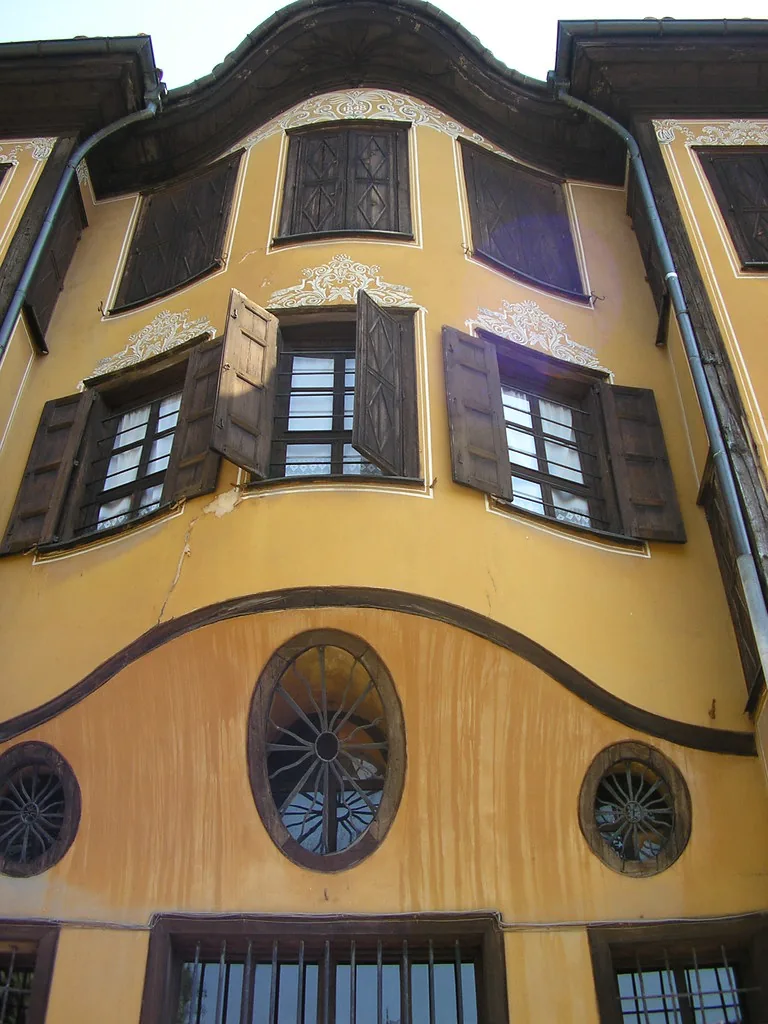
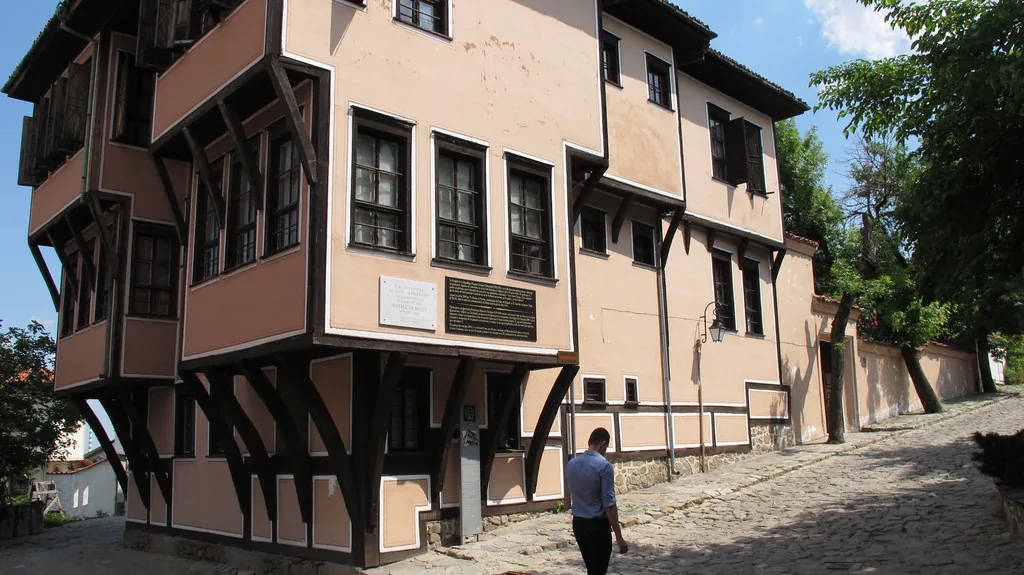
The Ethnographic Museum on Chomakov House is the standout indoor attraction. The building itself — an 1847 National Revival mansion with an ornate carved ceiling — is as impressive as the exhibits inside. Admission is BGN 6 (€3). Budget forty-five minutes. It sits at the top of the Old Town and opens at 09:00, which makes it an ideal first stop before the walking-tour crowds arrive.
The Regional Archaeological Museum on Saedinenie Square covers Plovdiv's history from Thracian gold to Roman-era sculpture. The Thracian Panagyurishte gold treasure replica on display is jaw-dropping — Bulgaria holds more Thracian gold artefacts than any country in the world, and this museum explains the context clearly. Admission is BGN 5 (€2.50). Allow sixty to ninety minutes.
For contemporary art, the Plovdiv City Art Gallery on Saborna Street shows rotating Bulgarian and international exhibitions. Entry is BGN 5 (€2.50). The building is a converted Revival-era house and worth visiting for the architecture alone. Around the corner, the Ultimate Balabanov House Visitor Guide is free to enter and displays period furniture and decorative arts inside one of the best-preserved Revival mansions in the city.
The Dzhumaya Mosque, open to respectful visitors outside prayer times at no charge, provides a striking counterpoint to the Orthodox churches on the neighbouring streets. Its nine domes and 14th-century origins make it one of the oldest mosques in the Balkans. Combined, the mosque, the Roman Stadium ruins, and the cathedral square form a five-minute cultural loop that no competitor guide covers as a single walking circuit — yet it is the best ten-minute overview of Plovdiv's layered civilisations.
Parks, Gardens, and Outdoor Spots in Plovdiv
Tsar Simeon Garden is the city's main green lung and the best place to see everyday Bulgarian life. Laid out in 1892, it runs east from the train station and connects to the pedestrian boulevard. It is particularly lively on weekend mornings. The ornamental bandstand hosts free concerts in summer, and the Singing Fountains perform a light-and-water show on weekend evenings.
Lauta Park in the northern residential area is quieter and less visited by tourists. It has a small lake, rowing boats for hire, and a large outdoor swimming pool open in July and August (BGN 5 / €2.50 entry). If you want a break from cobblestones, the flat walking paths here are a genuine relief for tired feet.
Nebet Tepe, Danov Hill, and Sahat Tepe (the Hill of the Clock Tower) form the three main viewpoints in the Old Town area. Sahat Tepe holds the oldest functioning clock tower in the Balkans — over 500 years old — and takes less than five minutes to reach from the Dzhumaya Mosque. It sees far fewer visitors than Nebet Tepe and offers a different angle over the city's rooftops. The free walking tour typically does not stop here, so it is worth adding on your own.
Family-Friendly and Budget-Friendly Options in Plovdiv
Plovdiv is one of the most affordable city-break destinations in the EU. A daily budget of €40–50 per person covers accommodation in a good guesthouse, three meals, two attractions with entry fees, and an evening beer or two in Kapana. Most of the best experiences — the walking tour (tip only), the Roman Stadium viewing area, the Old Town itself, Tsar Simeon Garden, and the hilltop viewpoints — are free.
For families, the Planetarium in the city centre runs shows in Bulgarian but provides English audio guides for a small extra fee (BGN 8 / €4 per show). The park at Sahat Tepe has a small playground, and Lauta Park suits younger children with its lake and open lawns. The Street Chefs Plovdiv food market is an easy, relaxed lunch choice with plenty of non-spicy, child-friendly options and outdoor picnic seating.
Budget solo travellers should book a bed at Hostel Old Plovdiv, housed in a beautifully restored Revival mansion. Dorm beds start under €10, and the location at the top of the Old Town puts you within walking distance of every attraction. The social common room is a reliable source of restaurant tips from other travellers who have just done what you are about to do.
One local trick that saves money and time: the Thursday market (Четвъртък пазар, held every Thursday morning on Tsar Boris III Boulevard near the Yug bus terminal) is a large open-air market where Plovdiv residents shop for seasonal produce, homewares, and cheap clothing. It is not on any tourist map, but it is a thirty-minute window into Bulgarian market culture that costs nothing and provides excellent breakfast picnic supplies — fresh sirene cheese, tomatoes, and bread for BGN 3–4 (€1.50–2).
Where to Eat: From Skapto Burgers to Local Delicacies
Skapto Burgers, Beers and Fries in Kapana is the best quick lunch option for a traveller on a tight weekend schedule. The portions are large, prices are under BGN 20 (€10), and the rotating tap list features local Bulgarian craft ales. It opens at noon and fills up fast on weekends — arrive before 12:30 or expect to queue. The location in central Kapana means you can combine it with your morning gallery circuit without backtracking.
For a traditional Bulgarian dinner, find a mehana (tavern) in the Old Town. Order a shopska salad — tomatoes, cucumber, peppers, and grated white sirene cheese — followed by kavarma, a slow-cooked pork or chicken clay-pot dish. Most Old Town mehanas serve live folk music on Friday and Saturday evenings, which adds atmosphere without a cover charge. Budget BGN 25–35 (€12–17) per person including a local Kamenitza beer.
For midday street food, Street Chefs Plovdiv is a rotating market of small vendors near Kapana. Different stalls appear on different days, covering everything from Moroccan tagines to Bulgarian mekitsi (fried dough). Prices rarely exceed BGN 8–10 (€4–5) per dish. The outdoor tables and central location make it a natural meeting point before an afternoon sightseeing session.
You can find a fuller guide to dining options at our 15 Best Restaurants in Plovdiv article, which covers mid-range and splurge options beyond the places mentioned here.
Plovdiv Nightlife: Hopium Taproom and the Craft Beer Scene
The Bulgarian craft beer movement is younger and less famous than its Czech neighbour's, but Plovdiv has become its most interesting hub. Hopium Taproom, tucked into a quiet alley near the Dzhumaya Mosque, pours twelve rotating taps — mostly Bulgarian micros, with occasional guest lines from Serbia and North Macedonia. Their IPA and session lager selections change monthly. Arrive before 21:00 on weekends to get a table without waiting.
Hopium's tap list is a direct contrast to Kamenitza, the mass-market Plovdiv lager that has been brewed here since 1881. Kamenitza is ubiquitous and cheap (BGN 2.50 / €1.25 for a 500 ml draught in most bars), but exploring the micro tap lines at Hopium, Local Beer Bar, or Kotka reveals the breadth of what Bulgarian brewers are producing in 2026. Ask bar staff for a taster tray rather than committing to a full pour of an unfamiliar beer.
Kapana is the primary hub for evening socialising. Streets come alive after 21:00, with outdoor seating spilling across the narrow lanes on warm nights. The atmosphere is relaxed and conversational — Plovdiv nightlife is not club-oriented. Anyway Social and Kotka both have good natural wine lists if beer is not your preference. Most bars close between 01:00 and 02:00 on weekends.
Where to Stay: Best Hotels and Guest Houses
The Old Town is the best base for a two-day visit. You will be walking distance from every attraction on this itinerary, and the National Revival architecture of the neighbourhood makes stepping outside in the morning a pleasure in itself. Guest houses are typically housed in restored 19th-century mansions with wooden bay windows and interior courtyards. Prices in 2026 start around €30–50 per double room per night at the lower end.
Budget travellers should book at Hostel Old Plovdiv — dorm beds from €8–12, private rooms from €25. The building is a genuine Revival mansion at the top of the Old Town, staff are unusually helpful with itinerary advice, and arrivals are greeted with complimentary herb lemonade. It books out weeks in advance in July and August, so reserve early.
If you prefer mid-range hotel amenities (air conditioning, elevator, en-suite), stay near the main pedestrian boulevard rather than the Old Town cobblestones. The boulevard area has several 3–4 star options in the BGN 80–150 (€40–75) range. The trade-off is a five-minute walk to the Old Town rather than being inside it. Book your room at least two weeks ahead for weekend stays in summer — Plovdiv sees heavy domestic Bulgarian tourism from June through September.
Plovdiv Weather and Seasonal Planning
Late April through early June and September through early October are the sweet spots. Temperatures run 18–26°C, the city gardens are in bloom, and festival season is building rather than peaking. You avoid both the summer heat and the off-season closures. The Plovdiv International Fair — a significant trade event held twice yearly — fills the city in late May and late September, raising hotel prices and reducing availability. Check the fair calendar before finalising dates.
July and August are hot, regularly exceeding 35°C by midday. Hill climbs should be done before 09:30 or after 18:00. The Roman Theatre hosts its busiest opera and concert schedule during these months — if seeing a performance is a priority, this is your window, but book tickets at least two to three weeks in advance. The city empties slightly in August as locals head to the Black Sea coast.
Winter (December to February) is cold but manageable, with temperatures between -2°C and 8°C. Most attractions stay open. The Old Town is quiet and photogenic in frost or light snow, and accommodation prices drop significantly. Spring (March to April) offers mild days but unpredictable rain — a waterproof layer is essential.
Beyond the City: Day Trips and Plovdiv as a Hub
Plovdiv works well as a base for exploring central Bulgaria. Bachkovo Monastery is the easiest addition — just 30 km south, it takes under an hour by bus (BGN 6 / €3 from Yug bus terminal) and pairs naturally with Asenovgrad Fortress, a medieval stronghold on a cliff above the Asenitsa gorge that offers some of the best castle photography in the country. Entry to Asenovgrad Fortress is BGN 8 for adults. A half-day covers both comfortably and you are back in Plovdiv for dinner.
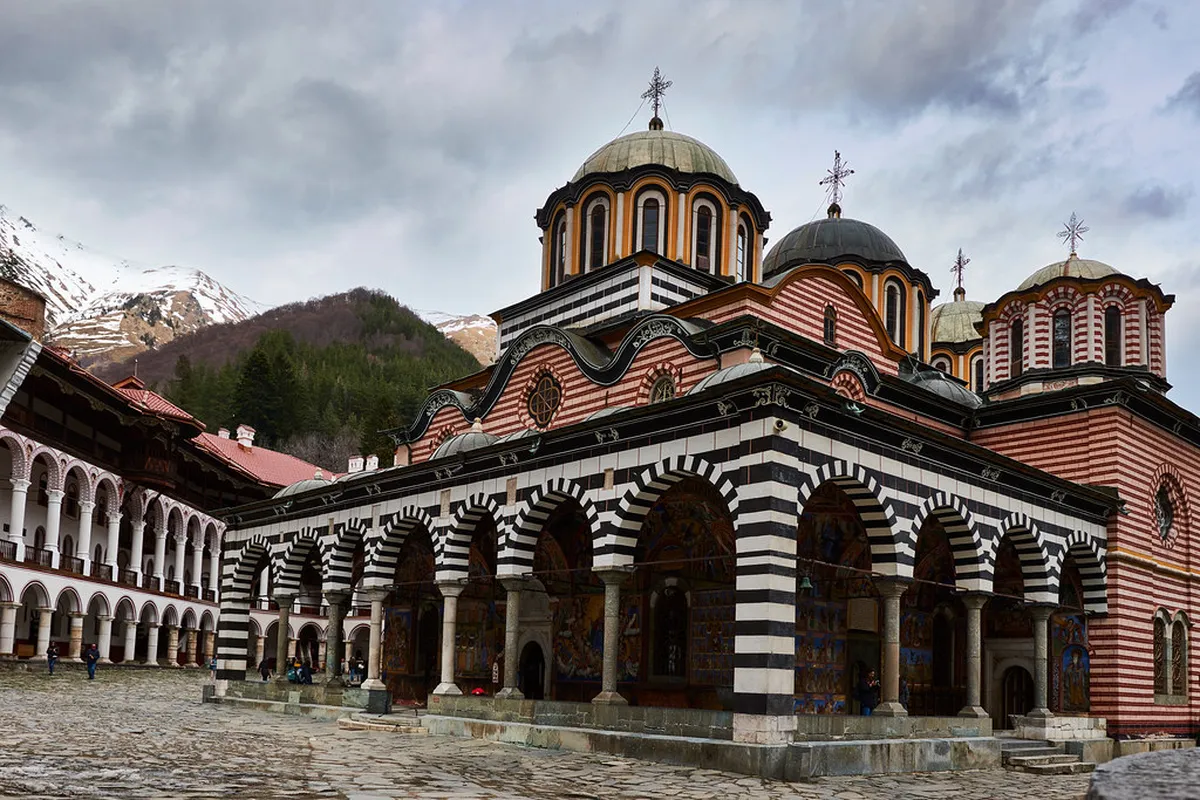
Rila Monastery Visitor Guide, Bulgaria's most celebrated UNESCO site, is doable as a day trip but the trade-offs are real. The round trip by private car from Plovdiv takes approximately four hours of driving, leaving only two to three hours at the monastery itself. By public transport it requires two bus changes and occupies most of a full day. The frescoes and setting in the Rila Mountains are exceptional, but if you only have two days in Plovdiv, this excursion costs you half your itinerary. Consider it as an add-on third day only.
The Buzludzha Monument Visitor Guide — the abandoned communist Party headquarters built in 1981 on a 1,441-metre peak — is one of Bulgaria's most surreal sights. It is closed to entry for structural safety reasons as of 2026, but the approach road and exterior are accessible. Drive time from Plovdiv is roughly 90 minutes. The monument's disc-shaped architecture makes it unmistakeable against the sky. You can also use it as a jumping-off point for the Shipka Memorial — 8 km away — which remains fully open. See the full range of options at our Day Trips from Plovdiv: Top 10 Escapes guide.
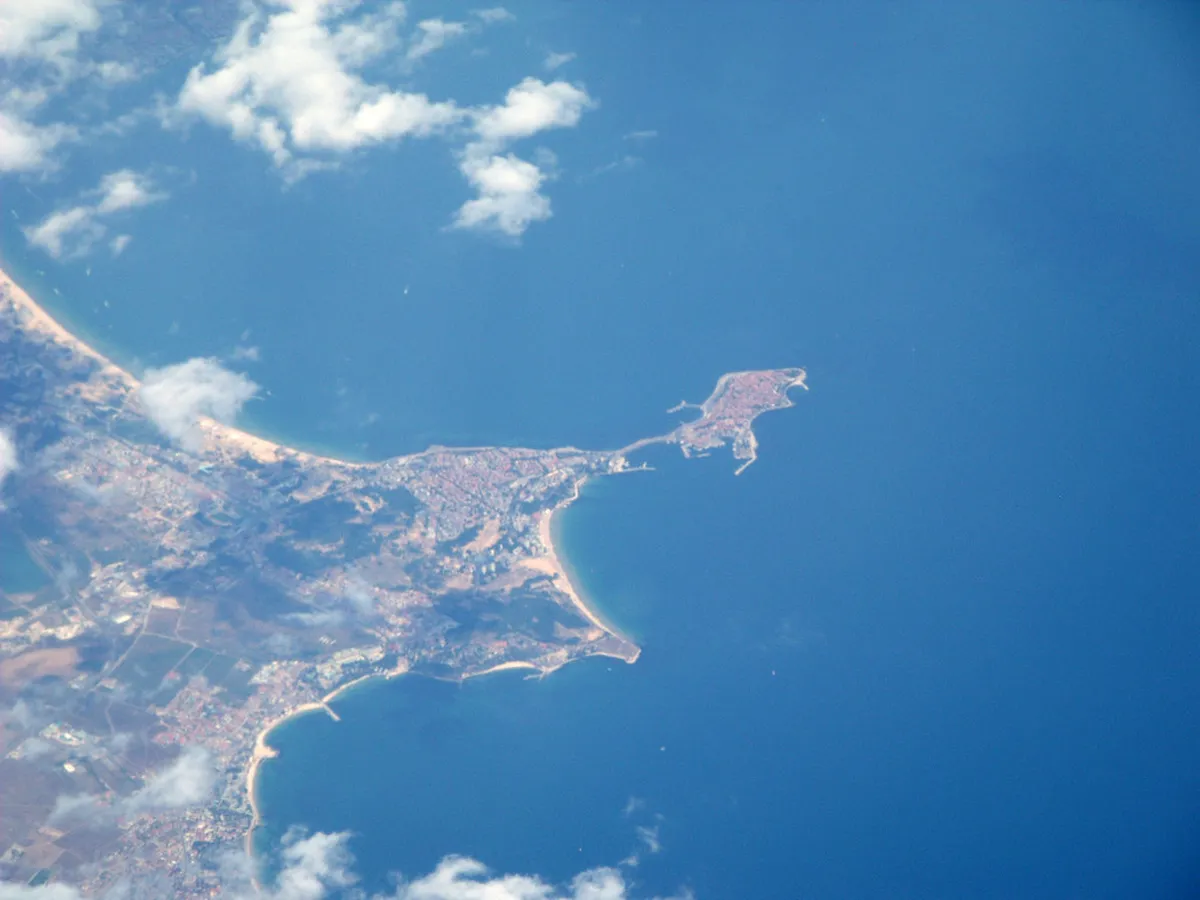
For those building a longer Bulgaria Itinerary 2026, the natural sequence from Plovdiv is eastward to the Black Sea coast (Burgas or Nessebar, around three hours by bus) or back through Sofia to the Rila and Pirin mountain regions. Plovdiv sits at the geographic midpoint of Bulgaria's main tourist corridor and works as a logical overnight break in either direction.
For the wider city context, see our complete Plovdiv guide.
For more Plovdiv reading, see our Plovdiv 2 Day Itinerary: The Ultimate 48-Hour Travel Guide and 10 Best Ways to Experience a Plovdiv Walking Tour guides.
Frequently Asked Questions
How much time should you plan for a Plovdiv weekend?
Two full days are ideal for seeing the main historical sites and the Kapana district. This allows for a relaxed pace without rushing through the museums. You can add a third day for a mountain trip.
Is Plovdiv a safe city for solo travelers?
Plovdiv is very safe for tourists and has a low crime rate. The center is well-lit and busy even late at night. Standard travel precautions are usually enough for a safe visit.
What is the best way to get from Sofia to Plovdiv?
The bus is the most efficient option for most travelers. It takes about two hours and departs frequently from the Sofia Central Bus Station. Trains are available but take slightly longer.
A weekend in Plovdiv rewards unhurried travellers. The city's ancient layers — Thracian hillfort, Roman stadium, Ottoman mosque, communist monument, and contemporary craft-beer bar — coexist within walking distance of each other, and none requires a long queue or a big budget. Two days is enough to understand what makes this place so compelling. Three days, with a monastery or mountain excursion, starts to feel like the visit it really deserves.