12 Best Free Things to Do in Plovdiv
Plovdiv is one of the oldest continuously inhabited cities in Europe, and almost everything that makes it remarkable costs nothing to see. Roman stadiums surface through the floors of shopping streets, Ottoman gates stand at the entrances to cobblestone hilltop neighborhoods, and a Soviet-era monument looks down over the entire valley. This guide covers the 12 best free activities in Plovdiv, updated for 2026, along with practical tips on timing, transport, and which paid attractions you can skip entirely. For broader Bulgaria tourism planning, the official national portal offers destination guides and travel logistics.
Most of the sights cluster within easy walking distance of the main pedestrian street, Knyaz Alexander I. You can cover the majority of this list in two full days without spending a single Bulgarian Lev on entry fees. A third day opens up worthwhile half-day trips from the city.
Free Plovdiv Walking Tour
The Free Plovdiv Tour run by the 365 Association is the best single introduction to the city. Tours depart daily at 11:00 and 18:00 from the steps of the Municipality building on the main pedestrian street. The two-hour route covers the main street, Kapana district, and the key Old Town landmarks, with guides stopping at more than a dozen sites to explain the layered history of each.
The tour is genuinely free — no booking required and no obligation to pay. That said, guides work on tips, and 10–15 BGN per person is a fair contribution for the quality of commentary you receive. Arrive five minutes early to secure a spot on busier summer mornings.
Old Town Architectural Reserve
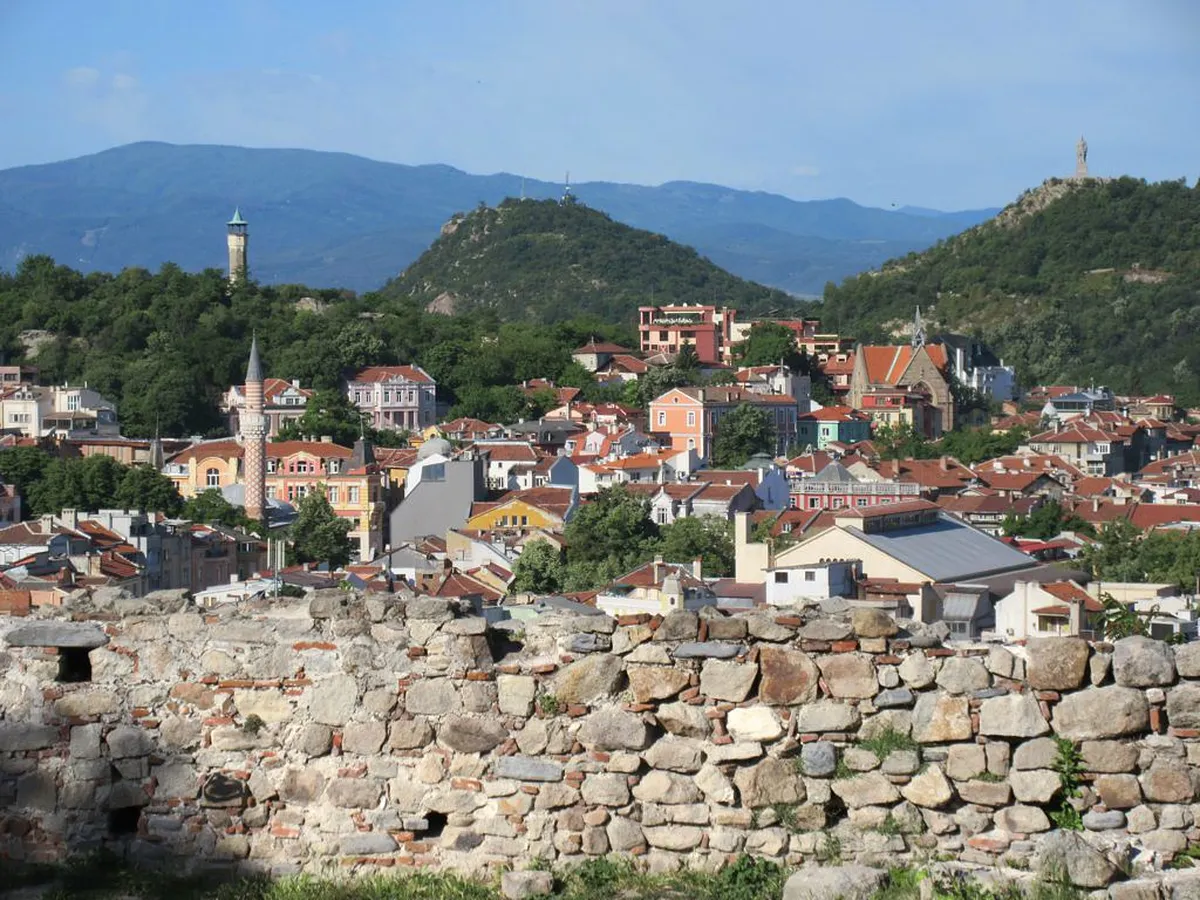
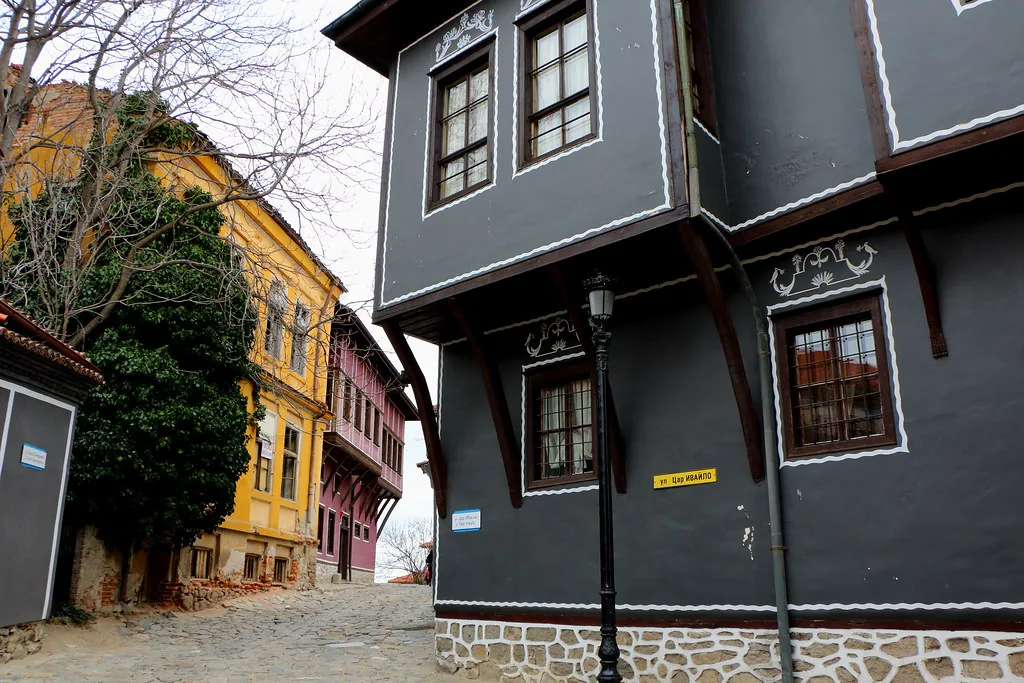
Plovdiv's Old Town sits across two hilltops and remains one of the best-preserved Bulgarian Renaissance neighborhoods in the country. The cobblestone lanes wind past overhanging 19th-century mansions painted in ochre, blue, and terracotta, with carved wooden facades that jut out over the street. Entry to the area is free and the streets are open around the clock.
Several of the grand Revival-era houses are now museums with paid entry, but the exteriors alone are worth the walk. Look for the spot near the base of the hill where excavated foundations expose three distinct construction layers — Thracian, Roman, and medieval — all visible at street level. Hisar Kapia Gate, the medieval stone arch at the main entrance, marks the best starting point for exploring on foot.
Wear flat-soled shoes with grip. The large uneven cobblestones are beautiful but genuinely difficult to walk on, especially when wet.
| Days needed for the free list | 2 full days on foot (3 with day trips) |
| Cost to see the core sights | 0 BGN entry fees |
| Best free panoramic view | Nebet Tepe (open 24h, free) |
| Best free guided intro | Free Plovdiv Tour, 11:00 & 18:00 daily |
| Free Singing Fountains show | Thu–Sat ~21:00, late May–September |
| Free museum day (Archaeological) | First Thursday of every month |
Ancient Stadium of Philippopolis
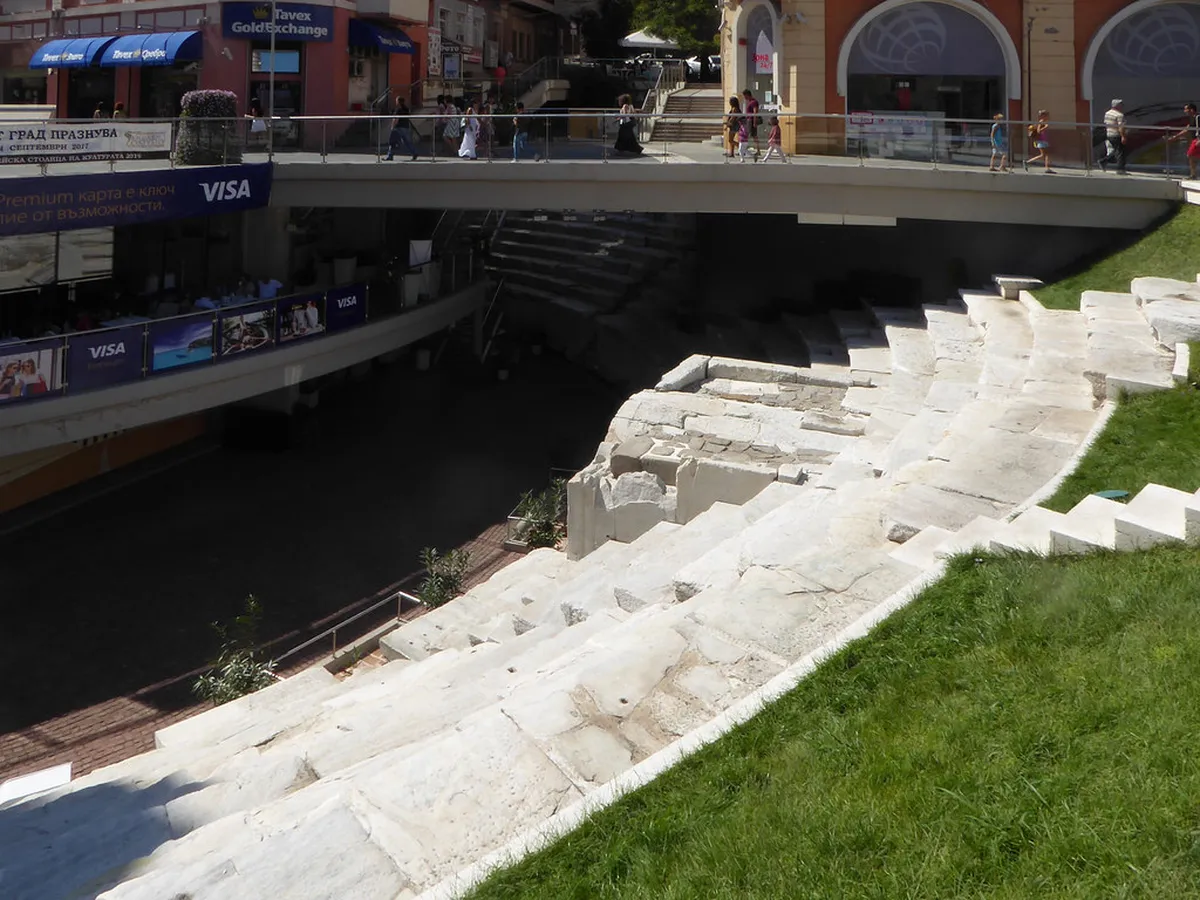
The Ancient Stadium of Philippopolis is one of the best-preserved Roman arenas in the Balkans, built in the 2nd century AD and originally seating around 30,000 spectators. Most of it remains buried beneath the modern city, but the curved northern end — with original marble seating rows and the entry tunnel — breaks through the surface right in the middle of Knyaz Alexander I Street.
The outdoor exposed section is free to enter from 09:00 to 18:00 daily and includes a small visitor center with a free 3D preview film showing how the stadium looked at its peak. A further section of the stadium is visible in the basement of the H&M store on the main street — walk in and look through the glass floor at ground level. The ticketed underground tour runs for about 5 BGN and adds context, but the free ground-level views are sufficient for most visitors.
Ancient Theatre of Philippopolis (Viewing Area)
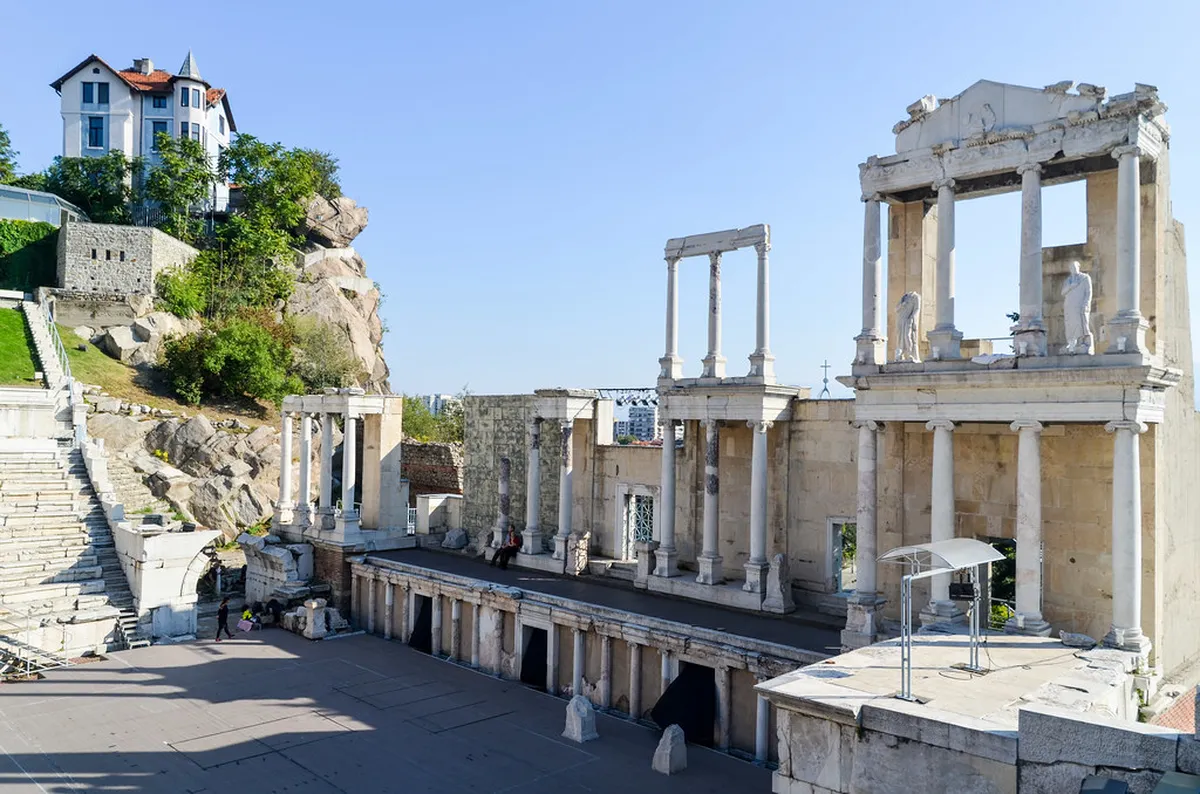
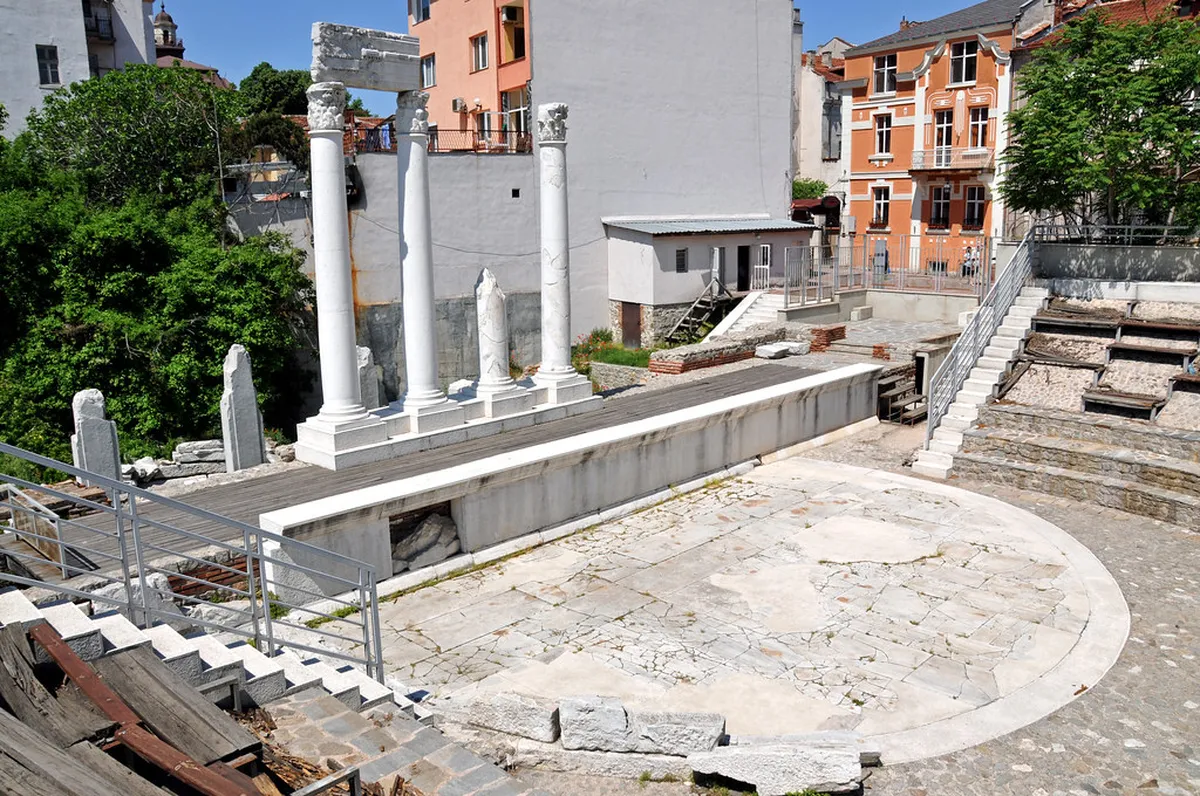
The Ancient Theatre of Philippopolis is the most photographed landmark in Plovdiv and arguably the finest surviving Roman theatre in the world. It was buried under the hill for centuries and only rediscovered in 1972 during tunnel excavation work. The theatre still hosts live concerts and events during summer, so the stage and marble seating tiers remain in active use after 2,000 years.
Full entry costs 5 BGN, but the complete theatre is visible from the public walkway above — no ticket needed. Walk along ulitsa Hemus (Hemus Street) to find the best elevated vantage point overlooking the stage. This angle is often better for photography than being inside. The free viewpoint is open day and night with no barriers or time restrictions.
If you want to sit in the marble seats and walk the stage, the paid entry is worth it. Check the Plovdiv Roman Theater: History, Tickets, and Visiting Guide for the full event calendar before you go.
Nebet Tepe Archaeological Site
Nebet Tepe Visitor Guide is the highest of Plovdiv's seven hills and one of the oldest continuously occupied sites in Europe, with Thracian settlement evidence dating back more than 6,000 years. The hilltop is a public park with no entry fee, open at all hours. The ruins here are unenclosed and modest compared to the Roman sites lower in the city, but the views more than compensate.
From the summit you get a 360-degree panorama: the Rhodope Mountains to the south, the Balkan range to the north, and the terracotta rooftops of Old Town directly below. Sunset here draws crowds from 19:00 onward in summer, so arrive by 18:00 to find a quiet spot. The path up from Old Town takes about ten minutes on foot through the narrow upper lanes.
Tsar Simeon's Garden and Singing Fountains
Tsar Simeon's Garden sits at the southern end of the main pedestrian street and was laid out in 1892 by Swiss landscape designer Lucien Chevals. The park has tree-lined walkways, lawns, gazebos, a children's playground, and an open-air chess area. Entry is free and the garden is accessible at all hours.
The main draw on summer evenings is the Singing Fountains — a choreographed water and light show set to music that runs on Thursday, Friday, and Saturday nights, typically starting around 21:00 from late May through September. The show is free for all spectators and draws both locals and tourists. Check the current season schedule on arrival as start times shift slightly with sunset times through the summer.
💡 Good to know: Many of Plovdiv's best free experiences are seasonal. The Singing Fountains run only from late May through September, and the sunset crowds at Nebet Tepe and Bunardzhika peak in summer. If you visit between October and April, focus your free days on the year-round Roman sites, Old Town, and the hilltop viewpoints, which are open at all hours regardless of season.
Kapana Creative District
Kapana — meaning "the Trap" — sits between the main pedestrian street and Old Town, a compact grid of narrow lanes deliberately designed to disorient visitors so they wander past more shops. The district fell into decline before Plovdiv's designation as European Capital of Culture 2019, which triggered a major revitalization. Today it is the most energetic creative neighborhood in Bulgaria.
The streets are covered in murals and installation art, and the architecture has been carefully restored without being sanitized. Boutique bars, design studios, vinyl shops, and independent galleries occupy buildings that are themselves worth photographing. Everything outdoors is free to explore at any time, and the seasonal art installations change regularly throughout the year.
Visit on a weekday morning for the most relaxed atmosphere. Weekend evenings bring large crowds to the outdoor seating areas, which makes for good people-watching but less comfortable photography. Read the full Kapana Plovdiv Guide: The Creative Heart of Bulgaria for gallery and event listings.
Bunardzhika Hill and Alyosha Monument
Bunardzhika, also called the Hill of the Liberators, is the second-highest of Plovdiv's seven hills and home to the Alyosha Monument Visitor Guide — an 11-metre granite Soviet soldier that is visible from almost anywhere in the city. The hill has a network of walking trails through a wooded park, children's play areas, a restaurant, and an outdoor amphitheatre used for summer events. The entire hill is a public park with no entry fee.
The summit road is closed to cars, so you share the paved path only with other walkers and cyclists. Sunset draws a regular crowd to the monument base, but the hill is large enough that you can find a quiet rock outcrop with unobstructed views if you explore the side trails. A water fountain halfway up the main path is useful on warm days. The walk from the city center takes around 20–25 minutes on foot.
Sahat Tepe (Clock Tower Hill)
Sahat Tepe is the most central of Plovdiv's hills and the easiest to reach from the main shopping street — about five minutes on foot from Knyaz Alexander I. The Ottoman clock tower at the summit was first built in 1623 and stands 17.5 metres tall; the Vienna-made clock installed in 1883 still chimes the hour and can be heard across the city center.
The hill is a public park with no entry fee and stays open throughout the night. For the best sunset view, look for the narrow stone staircase tucked directly behind the clock tower facing west — it leads to a small platform that most visitors miss entirely. From this spot you see the sun drop behind the Rhodope foothills while the clock tower frames the foreground. The main terrace in front of the tower faces east and is less interesting at that hour.
Roman Forum and Odeon
The Roman Forum of Philippopolis dates to the 1st century AD and sits adjacent to the central post office on the main square, directly opposite Tsar Simeon's Garden. The site is completely unenclosed — there are no gates, no entry fees, and no time restrictions. Information placards in English explain the function of each structure, including the Odeon (a small covered theatre used for civic meetings), market colonnades, and temple foundations.
The ruins are best viewed during the golden hour before sunset, when low-angle light creates strong shadows across the stone columns and marble floor sections. This is also the least crowded time to visit. The Roman Forum is often the first ruin new arrivals stumble upon without looking for it, and it remains one of the most atmospheric sites in the city despite being right in the middle of daily foot traffic.
Main Pedestrian Street (Knyaz Alexander I)
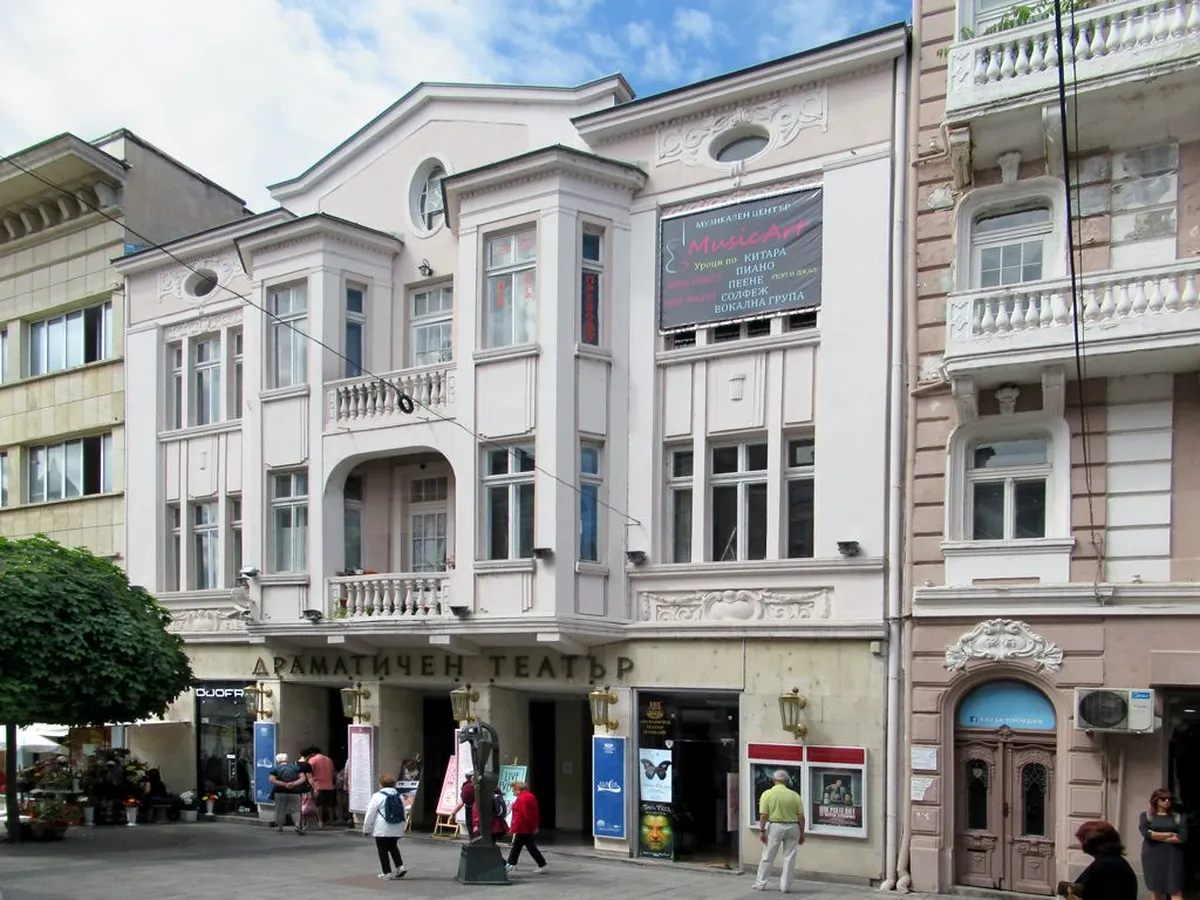
Knyaz Alexander I Street runs for nearly two kilometres through the center of Plovdiv, connecting the central post office to Tsar Simeon's Garden. It is fully pedestrianized and lined with buildings in Austro-Hungarian, Bulgarian Revival, and late Ottoman styles that make window shopping worthwhile even if you buy nothing. The street passes the exposed northern curve of the Roman Stadium, the entrance to Kapana, and dozens of independent cafes.
The city provides free Wi-Fi along the entire length of the street. Locals use the street for the traditional evening promenade (razhodka) from around 18:00 onward, which makes this the best time to watch daily Plovdiv life. Look for the "Together" sign and the statue of Milyo the Crazy — both are local meeting points that appear on few tourist maps but feature in every local's directions.
Hisar Kapia Medieval Gate
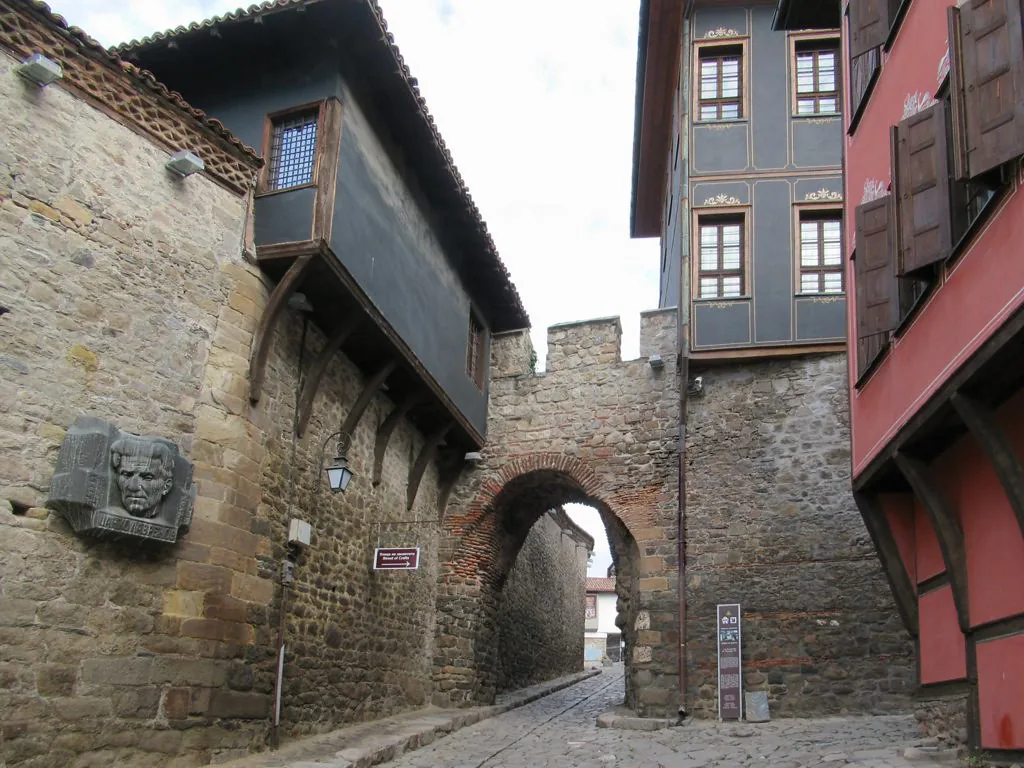
Hisar Kapia is an 11th-century stone gate that was constructed over the foundations of an earlier Roman gate. It is the primary entrance to Plovdiv's Old Town and one of the most photographed spots in Bulgaria. The gate is a public landmark with no entry fee and is accessible at any hour.
The archway is narrow enough that you pass through it at close range, making the scale of the stonework immediately apparent. Early morning — before 09:00 — is the best window for unobstructed photographs. By mid-morning the gate becomes a natural pinch point where tour groups and pedestrians converge. The Plovdiv Ethnographic Museum is a few steps beyond the gate on the right if you want to explore further into Old Town.
Free Museum Days and an Accessible Viewpoint Worth Knowing
Several of Plovdiv's paid institutions offer free entry on specific days. The Regional Archaeological Museum — home to the famous Panagyurishte gold treasure, a Thracian ceremonial set dated to the 4th century BC — opens free of charge on the first Thursday of every month. Visit the (Regional Archaeological Museum) site to confirm holiday closures before planning around this. The Regional Ethnographic Museum similarly offers free entry on the first Sunday of each month.
For travelers who want a panoramic view without climbing Nebet Tepe or Bunardzhika, the view terrace at St. Archangels Chapel (search "view terrace" on Google Maps near Old Town) offers a comparable panorama over the city and the Maritza plain. The terrace is paved, has no steps from the approach path, and is genuinely underused by visitors — on busy summer evenings when Nebet Tepe is crowded, this spot is often empty. It is free to access at all times.
The Bishop's Basilica ruins in the city center are another no-ticket option. The external glass-floor sections let you look down onto original 4th-century floor mosaics from above without paying to enter the interior exhibition. The glass panels are in the pavement outside — easy to walk past without noticing, so look down as you cross the plaza adjacent to the ruins.
Day Trips from Plovdiv on a Budget
Asen's Fortress near Asenovgrad is the most accessible half-day trip from Plovdiv. The fortress sits on a rocky ridge above the Arda River gorge and dates to the 10th century, with a well-preserved church inside the walls. Entry to the grounds is 4 BGN. The most economical route is the train from Plovdiv Central Station to Asenovgrad (1.30 BGN each way), followed by a 3 km walk uphill to the site — manageable in about 45 minutes.
Bachkovo Monastery Visitor Guide, founded in 1083 and the second-largest Orthodox monastery in Bulgaria, is 28 km south of Plovdiv in the Rhodope foothills. Entry to the monastery grounds is free. Buses run from Plovdiv's Rodopi Bus Station roughly every 30–45 minutes during daylight hours and cost around 5 BGN one way. The ride takes about 45 minutes. The monastery is a functioning religious site, so shoulders and knees must be covered; scarves are available at the entrance.
Getting from Plovdiv to Sofia
Plovdiv has four bus stations, and choosing the wrong one is one of the most common mistakes first-time visitors make. Buses to Sofia leave primarily from Yug (South) Bus Station, not from the Central Railway Station. The two are about 1.5 km apart. The walk from Knyaz Alexander I Street to Yug Bus Station takes approximately 20 minutes on foot and is straightforward.
Tickets cost around 14–18 BGN (approximately 7–9 EUR) depending on the operator. Journey time is 1.5 to 2 hours depending on traffic. Buses run frequently throughout the day, with departures roughly every 30 minutes during peak hours. You can buy tickets at the station on the day, but booking the evening before via an online bus booking site avoids the risk of full buses on summer Fridays and public holidays.
Trains are an alternative from Plovdiv Central Station, but journey times are typically longer (around 2.5–3 hours) and schedules are less frequent. For most travelers, the bus is the faster and more practical choice.
💡 Good to know: Plovdiv has four bus stations, so confirm which one your bus leaves from before you set out. Buses to Sofia depart from Yug (South) Bus Station — not the Central Railway Station, which is about 1.5 km away — while Bachkovo Monastery buses leave from Rodopi Bus Station. Arriving at the wrong station is the single most common transport mistake first-time visitors make here.
Free vs. Paid: Plovdiv's Roman Sites Compared
Plovdiv's Roman heritage is spread across several sites with different access models. The table below summarizes what you can see for free versus what requires a ticket, so you can decide where to spend on a tight budget.
- Ancient Stadium of Philippopolis (outdoor section) — Free, 09:00–18:00 daily. Marble seating curve and tunnel visible. Full underground tour: 5 BGN.
- Ancient Theatre of Philippopolis — Free from the public street above (Hemus Street viewpoint, open 24h). Full inside access: 5 BGN.
- Roman Forum and Odeon — Completely free, no closing time, no barriers.
- Bishop's Basilica mosaics — Exterior glass-floor panels free. Interior museum: 5 BGN.
- Regional Archaeological Museum (Panagyurishte Treasure) — Paid entry, free on first Thursday of the month.
For most visitors, the free street-level access to the Stadium and Theatre, combined with the Roman Forum, provides a thorough introduction to Plovdiv's Roman heritage without spending anything. Reserve the ticketed entry for the Theatre if you want to sit in the marble seats, and for the Archaeological Museum if you visit on a free Thursday.
How Many Days Do You Need to See Free Plovdiv?
Two full days is enough to cover every free attraction in this guide without rushing. A sensible split is one day for the lower city — the Free Plovdiv Tour, the Roman Stadium and Forum, the Theatre viewpoint, the main pedestrian street, and Kapana — and a second day for the hills and Old Town, working up through Hisar Kapia to Nebet Tepe, then over to Sahat Tepe and Bunardzhika for sunset. Because the central sights cluster within a short walk of Knyaz Alexander I Street, you spend almost no time in transit.
If you have a third day, add a budget day trip. Asen's Fortress near Asenovgrad and Bachkovo Monastery in the Rhodope foothills are both reachable by inexpensive train or bus and make for a relaxed half-day away from the city. Travelers passing through on a single day can still see the headline sights — the Roman Stadium, the Theatre viewpoint, Old Town, and one hilltop — by sticking to the lower city and saving the outer hills for a return visit.
Best Time to Visit Plovdiv for Free Activities
Plovdiv rewards budget travelers most from late spring through early autumn, when the free outdoor programming is in full swing. The Singing Fountains in Tsar Simeon's Garden run on Thursday, Friday, and Saturday nights from late May through September, and the open-air amphitheatre on Bunardzhika hosts free summer events during the same window. Long daylight hours also stretch your free sightseeing day well past 20:00.
The trade-off is crowds and heat. Midsummer afternoons can be uncomfortable on the cobblestones, and the hilltop viewpoints fill up at sunset. Late spring (May) and early autumn (September to mid-October) hit the sweet spot — the seasonal shows are still running, temperatures are mild, and the Old Town lanes are noticeably quieter. In the off-season from November through April, the fountains and summer events pause, but every Roman ruin, hilltop, gate, and the Old Town remains free and open at all hours, so a winter trip still costs nothing for the core sights. The free first-Thursday and first-Sunday museum days run year-round.
Combine this with our main Plovdiv guide for a fuller itinerary.
For more Plovdiv reading, see our Plovdiv With Kids: 7 Best Attractions and Travel Tips and Where To Stay In Plovdiv Old Town: 8 Best Stays & Tips guides.
Frequently Asked Questions
Is the Free Plovdiv Tour really free?
Yes, the tour is free to join and requires no booking. However, the guides work for tips, so it is customary to give a small donation at the end. Most people give between 10 and 20 Bulgarian Lev.
Can you see the Roman Theatre for free?
You can see the entire Roman Theatre for free from the public street above. Walk along Hemus Street for a clear view of the stage and marble seats. This is a great way to save on entry fees.
What is the best free view in Plovdiv?
Nebet Tepe offers the best free panoramic view of the city and the Balkan Mountains. It is especially popular at sunset when the light hits the Old Town. You can access this archaeological site for free at any time.
How many days do you need in Plovdiv?
Two full days is enough to cover every free attraction in this guide at a relaxed pace — one day for the lower city and Roman sites, and a second for the hills and Old Town. Add a third day if you want a budget day trip to Asen's Fortress or Bachkovo Monastery.
Can you visit Plovdiv on a tight budget?
Yes. Almost every headline sight in Plovdiv — the Old Town, the Roman Forum, the Stadium and Theatre viewpoints, all seven hills, the medieval gate, and the Singing Fountains — is free to see. You can experience the city's main attractions without paying a single entry fee, and free first-Thursday and first-Sunday museum days extend that even further.
Plovdiv remains one of the most accessible and affordable cultural capitals in all of Europe. By focusing on these free attractions and knowing exactly when to visit each site, you can experience the full depth of the city's 8,000 years of history on a minimal budget. Use the free museum days and the less-visited viewpoints to avoid the crowds and cut costs further.