Is Varna Worth Visiting? 10 Reasons to Explore Bulgaria's Sea Capital
Yes, Varna is worth visiting for its unique blend of ancient history and vibrant coastal energy. If you prefer a smaller, quieter village vibe, the town of Sozopol is a better alternative. Varna's mix of Roman ruins and extensive seaside parks is one of its strongest draws. Updated for 2026, this guide evaluates the city as a Black Sea destination.
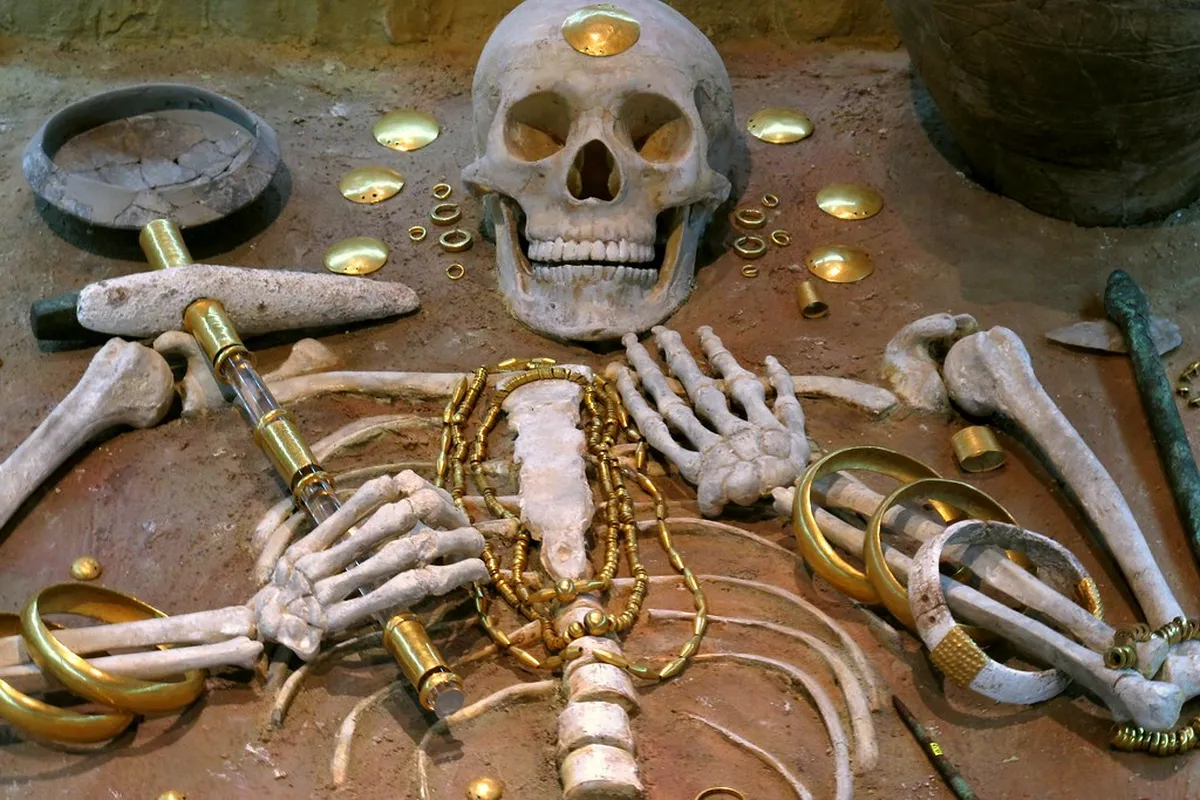
The city serves as Bulgaria's maritime hub and offers much more than just sandy shores. You will find the world's oldest processed gold here, dating back over six thousand years. This destination balances gritty industrial port views with some of the most beautiful gardens in Europe. It remains one of the most budget-friendly things to do in Varna for international travelers.
Many people wonder if they should choose Varna or the southern city of Burgas. While Burgas is great for festivals, Varna feels more like a lived-in, historic cultural capital. Roman ruins at sunset are a highlight of the city's historical appeal. This review covers everything you need to decide if this coastal destination fits your travel style.
Why Varna is Worth Visiting: The Quick Verdict
Varna earns its title as the Sea Capital by offering a diverse range of activities. History buffs will appreciate the massive Roman baths and the prehistoric treasures in the local museums. The city feels authentic and less like a manufactured tourist resort than nearby Golden Sands. Walking through the pedestrian center reveals charming cafes and impressive 19th-century architecture.
The Sea Garden provides a massive green escape that stretches for kilometers along the coast. You can enjoy a cocktail at a beach bar and then visit a world-class opera house. The local food scene is excellent, focusing on fresh Black Sea mussels and affordable local wines. Check out our guide on Varna Food & Drinks to find the best local spots.
Some visitors might find the industrial parts of the city a bit overwhelming at first. The port area is busy and looks functional rather than purely aesthetic. However, the cultural depth of the city far outweighs these minor visual drawbacks. Varna offers a level of sophistication that smaller beach towns simply cannot match.
| Nickname | The Sea Capital of Bulgaria |
| Headline draw | World's oldest processed gold (4600–4200 BC), Archaeological Museum |
| Biggest Roman site | Roman Thermae — largest in the Balkans, 4th largest in Europe |
| Main green space | Sea Garden (Primorski Park), 8 km coastal park, free |
| Best time to visit | Second half of May, June, first three weeks of September |
| Recommended stay | At least 2–3 nights (3 days for day trips) |
- Pros: What visitors usually love
- Home to the world's oldest gold treasure
- Massive Sea Garden park with beach access
- Very affordable prices for food and drinks
- Well-preserved Roman ruins in the city center
- Vibrant nightlife that stays active all year
- Cons: What may disappoint
- Some areas have a gritty industrial feel
- Summer crowds can be very dense
- Sidewalks in residential areas are often uneven
- English is not widely spoken outside tourist zones
- Taxis can occasionally overcharge unsuspecting tourists
Must-See Varna Attractions for First-Time Visitors
The Varna Archaeological Museum Visitor Guide is the most significant cultural site in the region and the single best reason to fly in. It houses the Varna Necropolis gold, the oldest worked gold jewellery ever found, dated to roughly 4600–4200 BC. Entry is 10 BGN per adult and the museum runs 10:00–17:00 Tuesday to Saturday. Plan two hours minimum to walk through the prehistoric, Thracian and medieval halls.
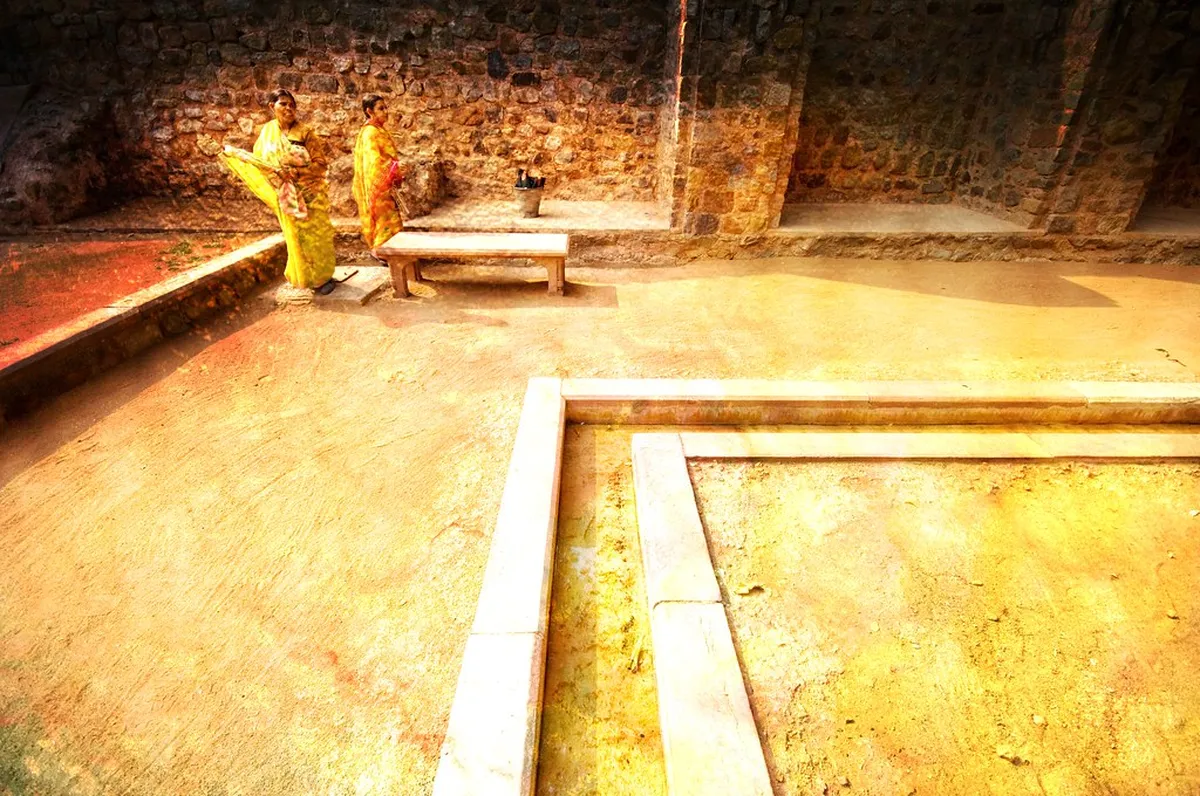
The Roman Thermae are the next essential stop on any list of Things to Do in Varna, Bulgaria. Built in the late 2nd century AD and covering more than 7,000 square metres, they are the largest Roman baths on the Balkan peninsula and the fourth largest in Europe. Tickets cost 5 BGN and the site stays open until 18:00 in summer and 17:00 in winter. The hypocaust pillars, the apodyterium changing rooms, and the towering brick arches all survive at near full height.
The Naval Museum and the Retro Museum on the seafront fill out the top tier for first-timers. The Naval Museum keeps the torpedo boat Drazki, the only Bulgarian vessel to sink an Ottoman warship, parked outside for free viewing. The Retro Museum inside Grand Mall holds 50+ restored Eastern Bloc cars (Trabant, Moskvitch, Volga) plus wax figures of Tito, Brezhnev and Zhivkov. Tickets there are 10 BGN and the air conditioning alone is worth the price on a 35°C August day.
- Top cultural sites at a glance
- Archaeological Museum: 10 BGN, world's oldest gold
- Roman Thermae: 5 BGN, largest in the Balkans
- Naval Museum: outdoor exhibits free, indoor 6 BGN
- Retro Museum: 10 BGN, socialist-era cars and pop culture
- Ethnographic Museum: 6 BGN, traditional Black Sea costumes
Sea Garden and Outdoor Spots in Varna
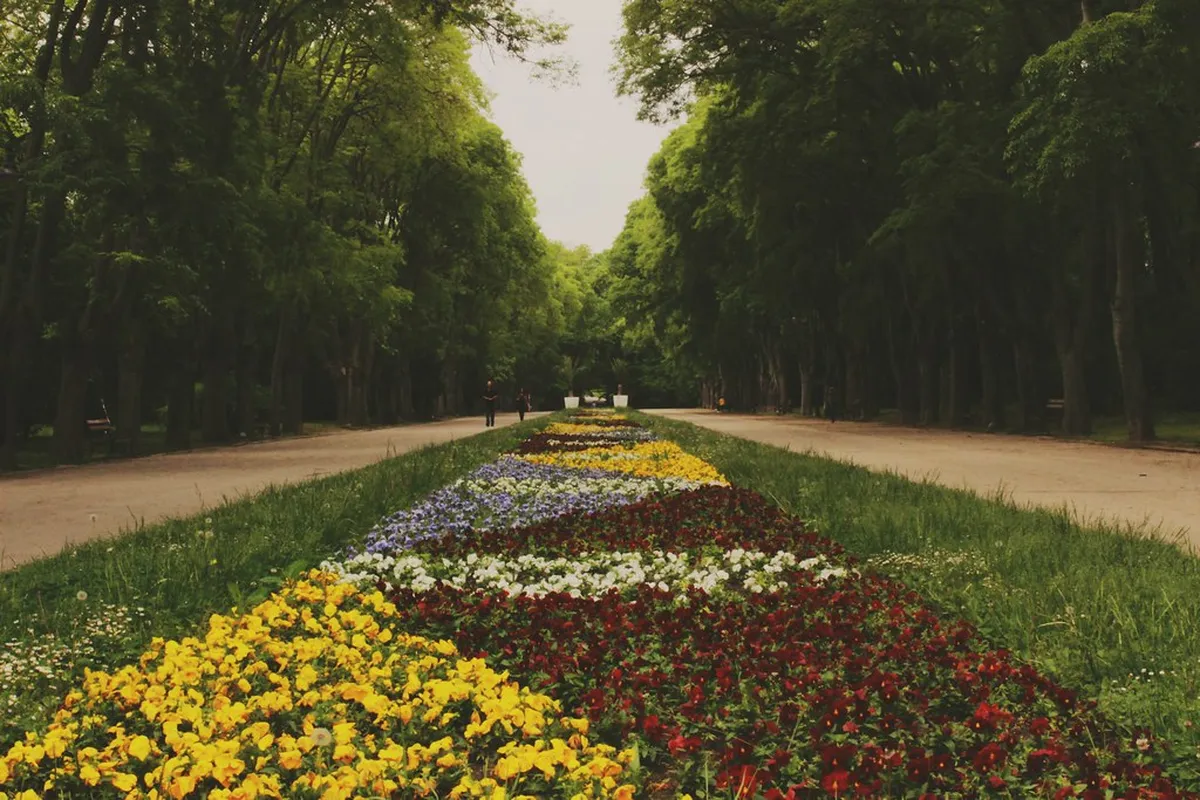
The Sea Garden, known locally as Primorski Park, is the green spine of the city and an experience in its own right. It stretches roughly 8 kilometres along the coast and contains the Aquarium, the Naval Museum, the Dolphinarium, the Copernicus Observatory and an open-air theatre that hosts opera nights every July. Entry to the park is free and locals treat the seaside alley as their living room from late afternoon onwards.
The Festa Dolphinarium Varna Visitor Guide inside the park is one of only three in the Balkans and runs daily 40-minute shows at 11:00, 13:00 and 15:30 in summer. Tickets sit at 25 BGN for adults and 15 BGN for children, with an extra session at 18:00 added in July and August. Right next door, the Copernicus Observatory and Planetarium runs star shows in Bulgarian and English on Tuesday and Thursday evenings, costing 8 BGN — an under-rated rainy-day fix that almost no guidebook flags.
South of the city, the Sea Garden flows into the Asparuhovo beach and then into the wilder Cape Galata headland. Cape Galata is the quiet alternative to Golden Sands: pine forests, abandoned military bunkers, and a working lighthouse you can photograph but not enter. To get there, take bus 17A or 117 from the cathedral square (2 BGN, 25 minutes) to the Galata terminus, then walk 20 minutes south along the marked coastal path. Bring water — there are no kiosks past the bunker fields.
- Outdoor highlights
- Sea Garden: 8 km coastal park, free, open 24h
- Dolphinarium: 25 BGN, three shows daily
- Copernicus Observatory: 8 BGN, evening star shows
- Cape Galata: bus 17A/117, quiet pine-forest coast
- Asparuhovo beach: cleaner sand, fewer crowds than central
Assumption Cathedral: Spiritual Heart of the Sea Capital
The Cathedral of the Dormition of the Mother of God, usually shortened to Assumption Cathedral, is Varna's defining skyline image. Completed in 1886 to mark the liberation from Ottoman rule, its three golden domes were modelled on Saint Petersburg's Saint Isaac. The interior frescoes were painted between 1949 and 1951 by Bulgarian master Nikolay Rostovtsev, and the carved bishop's throne uses walnut from the Strandzha mountains. Entry is free, photo permits are 5 BGN, and Sunday liturgy at 09:00 is the most atmospheric hour to visit.
For a quieter contrast, walk five minutes east to St. Athanasius, an 18th-century church half-buried below street level — built that way under Ottoman rules that forbade churches from rising taller than a man on horseback. Further out, the Armenian Church of Surp Sarkis on Tsar Simeon I street holds Sunday services in Armenian and is one of the few visible markers of Varna's historic Armenian merchant community.
Climb the cathedral's south bell tower if the door at the back of the nave is unlocked (it usually is between 10:00 and 16:00). The 5 BGN climb buys a 360° view across the rooftops to the port cranes and the Black Sea, and on a clear day you can see all the way north to the Galata lighthouse.
Day Trips: Aladzha Monastery, Stone Forest and Evksinograd Palace
10 Essential Tips for Your Aladzha Monastery Visitor Guide is a 13th–14th century Orthodox complex carved directly into a 25-metre limestone cliff 17 kilometres north of Varna. Cells, a chapel and a refectory open onto two galleries connected by rock-cut staircases that you can still climb. The site sits inside the Golden Sands Nature Park, opens 09:00–18:00 from May to October, and costs 5 BGN. Take bus 109 from the cathedral square (2 BGN) to the Aladzha Monastery stop and follow the forest path for 10 minutes.
Pobiti Kamani (Stone Forest) Visitor Guide — the Stone Forest — is a Neogene-era field of natural sandstone columns 18 kilometres west of the city, on the road to Devnya. The columns rise 5–7 metres out of a sandy basin that geologists believe formed around 50 million years ago when underwater methane seeps cemented sand grains around fossil reefs. Entry is 3 BGN, and the easiest way is bus 43 from Varna Central Bus Station (4 BGN, 35 minutes) toward Beloslav, asking the driver for the "Pobiti Kamani" stop.
Evksinograd Palace is the former summer residence of the Bulgarian royal family, built between 1882 and 1885 in a French Renaissance style. The palace itself is now a state guesthouse and only the gardens and the on-site winery are open to the public, by guided tour Wednesday and Friday at 10:00 and 14:00 (15 BGN, book through the Varna tourism office). The vineyard still produces a dry white from the original royal cellar — a souvenir bottle costs 18 BGN at the gate.
- Top day trips from Varna
- Aladzha Monastery: 17 km, bus 109, 5 BGN
- Stone Forest (Pobiti Kamani): 18 km, bus 43, 3 BGN
- Evksinograd Palace: 8 km, taxi 12 BGN, gardens-only tour
- Balchik Botanical Garden (University Botanical Garden) Visitor Guide: 40 km, bus from Mladost station
- Cape Kaliakra Visitor Guide: 70 km, organised tour 45 BGN
Varna vs Sofia: A Quick Decision Matrix
If you only have time for one Bulgarian city in 2026, the Varna versus Sofia question really comes down to what you want from the trip. Sofia is the political and mountain-hiking capital, with Vitosha at the doorstep and a denser concentration of Roman, Ottoman and communist-era museums. Varna is the sea capital, with a beach, a 4,600-year-old gold trove, and a much shorter list of must-do sites that frees up afternoons for swimming.
The table below condenses the practical trade-offs. Pick Sofia if you arrive between November and March, Varna if you arrive between May and September.
- Decision matrix
- Beach access: Varna yes, Sofia none
- Mountain hiking: Sofia yes (Vitosha 2,290 m), Varna limited
- Headline museum: Sofia National History Museum, Sofia Visitor Guide vs Varna Archaeological Museum (oldest gold)
- Roman ruins: Sofia Serdica complex vs Varna Thermae (Varna larger)
- Nightlife density: Sofia stronger year-round, Varna stronger May–September
- Average mid-range hotel: Sofia 130 BGN, Varna 110 BGN
- Direct budget flights from Western Europe: Sofia 30+ routes, Varna 12 routes
- Day-trip variety: Sofia (Rila, Plovdiv), Varna (Aladzha, Stone Forest, Nessebar)
For deciding between northern and southern coast cities, see Varna vs Burgas 2026. The short version: Varna for ancient history and grand architecture, Burgas for festivals, salt lakes and quicker access to Sozopol.
How to Get to Varna and Get Around
Varna International Airport (VAR) sits 10 kilometres west of the centre and handles direct seasonal flights from London, Berlin, Vienna, Warsaw, Dublin, Tel Aviv and Istanbul. Bus 409 connects the terminal to the city centre every 20 minutes for 2 BGN — the same ticket you would use anywhere else in town. A metered taxi to the centre should run 15–20 BGN; insist on the meter and avoid the unmarked drivers near the arrivals doors who will quote 50 BGN flat.
From Sofia, the comfortable option is the daily Union Ivkoni bus (8 hours, 35 BGN) or the overnight train (8.5 hours, 28 BGN in second class), both arriving within walking distance of the centre. From Bucharest, the FlixBus runs three times a day (6 hours, 25 EUR) via the Danube border. From Istanbul, the Metro Turizm coach takes 11 hours and costs around 40 EUR.
Inside the city, walking covers most of what you need. The pedestrian Knyaz Boris I boulevard, the Sea Garden, the Roman Thermae and the cathedral all sit inside a 1.5 kilometre square. For longer hops, the city bus network runs on a flat 2 BGN ticket bought from the driver, and Yellow Taxi or Triumph Taxi (call +359 52 333 333) are the two safest companies. Uber and Bolt also operate, though Bolt has wider coverage in 2026.
💡 Good to know: Skip the unmarked drivers near the airport arrivals doors — they quote a flat 50 BGN. Take bus 409 to the centre for 2 BGN (the same flat ticket you use anywhere in town), or insist on the meter in a Yellow or Triumph taxi, which should run 15–20 BGN.
Is Varna Safe for Tourists?
Yes, Varna is a safe city for tourists, and the most common complaints are about hassle rather than danger. The central pedestrian zone, the Sea Garden and the seafront promenade are comfortable to walk at night, busy with locals well past midnight in summer. Violent crime against visitors is rare; the realistic risks are petty pickpocketing in crowded summer beach areas and overcharging by taxis.
The two things to actually watch for both come up earlier in this guide. First, the unmarked drivers near the airport arrivals and the central beach who quote inflated flat fares — always use bus 409, the meter, or a named company like Yellow Taxi or Triumph Taxi. Second, the gritty industrial port area, which is functional rather than dangerous but feels run-down; there is no reason to wander the working docks after dark. Sidewalks in residential neighbourhoods are often uneven, so flat shoes beat heels for an evening stroll.
A few practical habits keep things smooth: carry small BGN notes for buses and museums since not every kiosk takes cards, keep an eye on bags on the packed central beach in July and August, and learn a couple of Cyrillic letters to read bus stop names, as English is not widely spoken outside the main tourist zones. None of this should put you off — these are the same low-level cautions you would apply in any mid-sized European port city.
- Varna safety at a glance
- Overall: safe, walkable city centre day and night
- Main risk: taxi overcharging and summer pickpocketing
- Avoid: unmarked airport/beach taxis — use bus 409 or the meter
- Port area: run-down but not dangerous, skip after dark
- Pay tip: carry small BGN notes, not every kiosk takes cards
Varna Beaches and Visiting with Kids
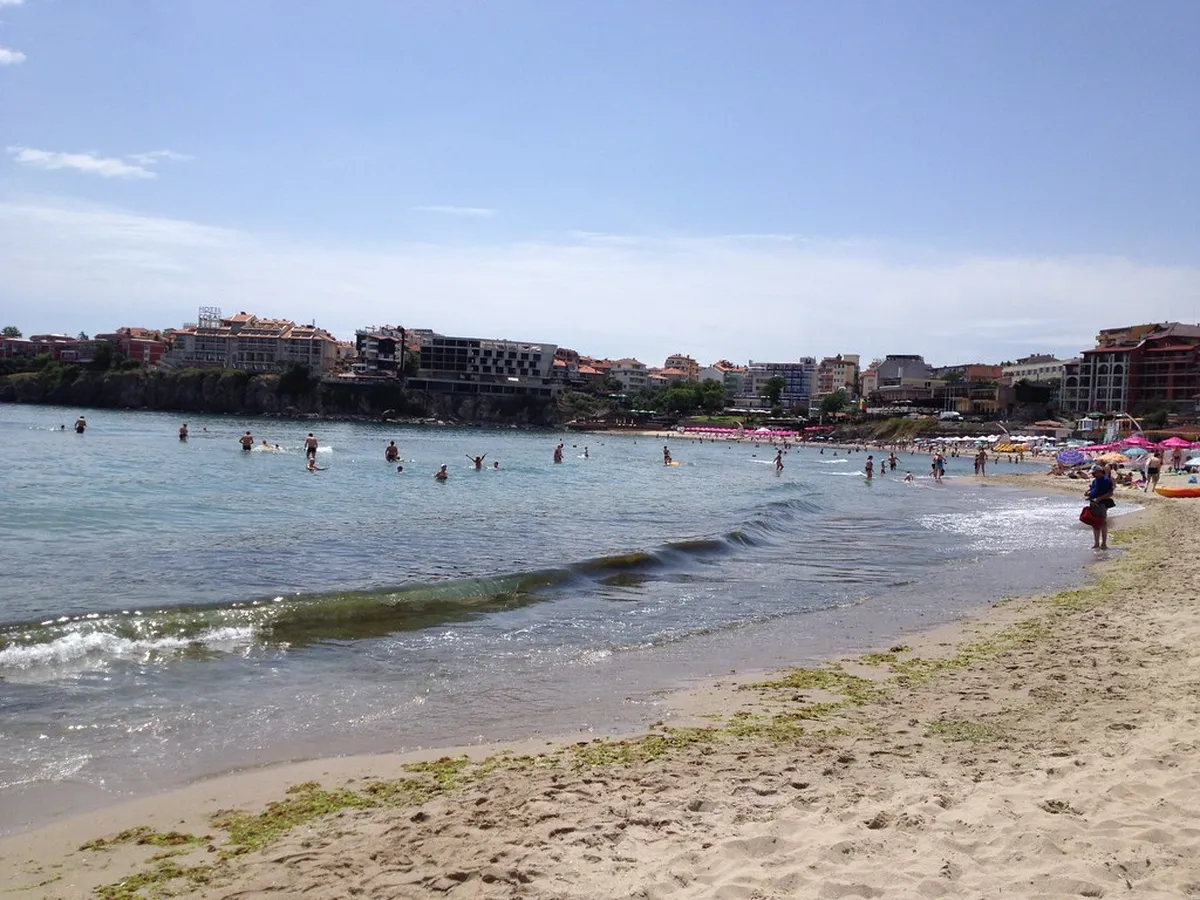
Varna's beaches range from the busy central strip to quieter sand a short bus ride out. The Central Beach sits right below the Sea Garden, which makes it the most convenient swim in the city — but it is also where the July and August crowds concentrate, feeling claustrophobic by 11:00 on a summer Saturday. For cleaner sand and fewer crowds, cross to Asparuhovo beach south of the bay, or carry on to the wilder Cape Galata headland with its pine forest and working lighthouse (bus 17A or 117 from the cathedral square, 2 BGN). For dedicated swimming alternatives once the central beach fills up, our 10 Best Beaches Near Varna (2026) guide maps the cleaner options up and down the coast.
Families are well served because so many of the headline attractions are child-friendly and clustered inside the free Sea Garden. The Dolphinarium runs daily 40-minute shows (25 BGN adults, 15 BGN children) with an extra 18:00 session in July and August, and the Aquarium and Copernicus Observatory and Planetarium sit a few minutes' walk away on the same coastal alley. The Retro Museum inside Grand Mall, with its 50+ restored socialist-era cars and air conditioning, is a reliable rainy-day or heatwave fallback that keeps younger visitors engaged.
- Beaches and family picks
- Central Beach: most convenient, busiest in peak season
- Asparuhovo beach: cleaner sand, fewer crowds
- Cape Galata: quiet pine-forest coast, bus 17A/117
- Dolphinarium: 25 BGN adult / 15 BGN child, daily shows
- Observatory and Aquarium: walkable cluster inside the Sea Garden
Brutalist Detours and Budget Hacks
One angle every other Varna guide skips: the city is one of the most rewarding places in Europe for socialist and brutalist architecture. The Monument of the Bulgarian–Soviet Friendship sits on a hill in the western suburbs — a 23-metre concrete sculpture of three figures inaugurated in 1978, reachable by bus 8 or 14 (2 BGN, ask for "Pametnik na bulgaro-savetskata druzhba"). It is graffiti-covered, half-abandoned, and the platform offers the best free panoramic view over the bay. Pair it with the Festival and Congress Centre on Slivnitsa boulevard, a glass-and-concrete cube from 1986 that still hosts the Varna Summer International Music Festival every July and August.
On budget: the city is genuinely cheap by 2026 European standards. A solid lunch at a mehana (traditional tavern) runs 12–18 BGN, a half-litre of local beer is 4–6 BGN, and a museum entry rarely exceeds 10 BGN. A combined ticket sold at the Archaeological Museum bundles the Thermae, Naval Museum and Ethnographic Museum for 18 BGN — a 9 BGN saving versus buying separately. Travellers stretching further should consult our list of 10 Best Free Things to Do in Varna, which includes the cathedral, the Sea Garden, the seafront promenade and the Asparuhovo bridge sunset.
💡 Good to know: Buy the combined ticket at the Archaeological Museum first — it bundles the Thermae, Naval Museum and Ethnographic Museum for 18 BGN, a 9 BGN saving versus paying for each separately. It's the single best money-saver in the city for history travellers.
- Typical 2026 daily costs
- Hostel dorm bed: 25–35 BGN
- Mid-range hotel double: 100–140 BGN
- Sit-down lunch with one beer: 18–25 BGN
- Three museum entries: 18–25 BGN combo
- Bus tickets for a full day: 6–8 BGN
When to Visit and How Long to Stay
Peak season runs late June to late August, when the city gains an extra 200,000 seasonal residents from cruise ships and Romanian beach traffic. Daytime temperatures hold at 28–32°C and the sea sits at a swimmable 24°C. Hotel rates jump 60–80% versus shoulder season, and the central beach can feel claustrophobic by 11:00 on a Saturday.
The sweet spots are the second half of May, all of June, and the first three weeks of September. The water is warm enough, the museums are quiet, and you can find a 4-star room for 110 BGN that would cost 200 BGN in August. October through April is the locals' Varna — atmospheric, cheap, but cold and grey, with most beach bars shut. For specifics on rainfall and sea temperature, see our Varna Weather By Month: 10-Point Seasonal Guide guide.
Stay length: a tight 2 days handles the headline sites (museum, thermae, cathedral, Sea Garden, beach). Three days adds Aladzha Monastery and the Stone Forest. Five days lets you fold in Cape Galata, Evksinograd, Balchik and a slow seafood dinner each evening. A full week justifies basing yourself in Varna and using it as a hub for the entire northern coast.
The Final Verdict: Who Should Visit Varna?
Varna is an excellent choice for travellers who want more than a standard beach holiday. The combination of the world's oldest gold treasure, the Balkans' largest Roman bath complex, an 8 kilometre coastal park and prices that still feel pre-2010 makes it a genuinely rare value in 2026 Europe. Use our Varna 3 Days Itinerary to scaffold a tight first visit, and our 10 Best Beaches Near Varna (2026) guide for swimming alternatives once the central beach gets crowded.

Skip Varna if you only want pristine, quiet sand — head to Sozopol or Sinemorets on the southern coast instead. Skip it in February too, unless you specifically want the moody, off-season port city version. For everyone else — history travellers, budget travellers, families, brutalist-architecture nerds, anyone choosing between Varna vs Burgas 2026 — the answer is yes, Varna is worth visiting and worth at least three nights.
- The verdict summary
- Verdict: yes, worth visiting in 2026
- Best for: history buffs, budget travellers, families, May–September visitors
- Skip if: you only want pristine quiet sand, or you're visiting in February
- Alternative: Sozopol for a quieter village feel, Sofia for mountains
- Top tip: combo museum ticket saves 9 BGN, bus 409 from the airport
Frequently Asked Questions
Is Varna, Bulgaria worth visiting for a week?
Yes, a week allows you to explore the city and take several Day Trips from Varna guide to nearby sites. You can visit the Stone Forest and Aladzha Monastery without rushing. It provides a perfect balance of relaxation and sightseeing.
Which is better, Varna or Burgas?
Varna is generally better for history and culture, while Burgas is known for its modern festivals and parks. Varna has more impressive ancient ruins and museums. Choose Varna if you want a more traditional city feel.
How many days do you need in Varna?
You need at least two to three days to see the main city highlights. This time covers the Archaeological Museum, the Sea Garden, and the Roman ruins. Add more days if you plan to visit the nearby beaches.
Is Varna, Bulgaria safe for tourists?
Yes, Varna is a safe city for visitors, with a busy, walkable centre and seafront that stay lively at night. The realistic risks are petty pickpocketing on the crowded summer beach and taxi overcharging, so use bus 409 or a metered Yellow or Triumph taxi and skip the run-down working port area after dark.
Is Varna worth visiting in winter?
Winter Varna is the locals' version of the city — atmospheric and cheap, but cold, grey, and with most beach bars shut from October through April. It still works for the indoor highlights: the Archaeological Museum, Roman Thermae, Retro Museum and the cathedral all stay open, so a culture-focused city break is rewarding even off-season.
Varna stands out as a premier destination on the Black Sea for its rich heritage. The city offers a compelling mix of ancient wonders and modern seaside leisure. You will find incredible value for your money while enjoying world-class cultural sites. It is a destination that truly caters to diverse interests and travel budgets.
Whether you are there for the oldest gold or the beach bars, Varna delivers. I highly recommend adding this Bulgarian gem to your next European travel itinerary. The Sea Capital is waiting to surprise you with its depth and coastal charm.