Independent Bulgaria travel guide
Things To Do Near Burgas in 2026
Explore the best things to do near Burgas in 2026. Discover salt museums, hidden beaches, birdwatching lakes, and Thracian ruins within 30 km of Burgas city centre.
On this page16 sections
Planning your trip to Burgas and looking for the best things to do nearby in 2026? Burgas, a vibrant coastal city in Bulgaria, serves as the perfect gateway to a wealth of attractions and experiences. From ancient historical sites to stunning natural reserves and charming seaside towns, the region offers something for every traveller. In 2026, Burgas continues to enhance its appeal with improved infrastructure, making it easier than ever to explore the surrounding gems. Whether you're interested in delving into history, relaxing on pristine beaches, or immersing yourself in local culture, Burgas and its surroundings promise unforgettable adventures.
This guide focuses on destinations and experiences within roughly 30 km of Burgas city centre — close enough for a half-day outing without planning a full day trip. For destinations further afield such as Sozopol, Nessebar, and Strandzha National Park, see our dedicated guide to Best Day Trips from Burgas. To plan your time in the city itself, start with the Burgas attractions guide.
Continue planning: Use Top 15 Burgas Attractions and 6 Things to Know Before Visiting Aquae Calidae Burgas to connect this guide with the rest of your Bulgaria itinerary.
Near Burgas at a Glance — Distance & How to Get There
Every destination below is measured from Burgas city centre. Use this quick-reference table to pick a half-day outing that fits your time and transport options in 2026:
| Destination | Distance & how to get there |
| Atanasovsko Lake (flamingos) | ~3 km north — walkable or ~4 BGN rideshare |
| Sarafovo Beach | ~7 km north — Bus 15, ~23 min, 1.50–2 BGN |
| Lake Mandra & Poda | ~8 km south — ~8–10 BGN rideshare or bicycle |
| Aquae Calidae (Roman baths) | ~10 km west — ~10–12 BGN rideshare, near Vetren |
| Kraimorie Beach | ~15 km south — Bus 17, ~25 min, 1.50–2 BGN |
| Pomorie (Salt Museum & Aquapark) | ~25 km — bus every 15–30 min, ~35 min, ~2 BGN |
💡 Good to know: Every site in this guide is reachable from Burgas city centre by public bus or a short rideshare — no rental car is required. Buses to Pomorie, Sarafovo and Kraimorie all run frequently in season, so you can decide on the morning of and still make a full half-day of it.
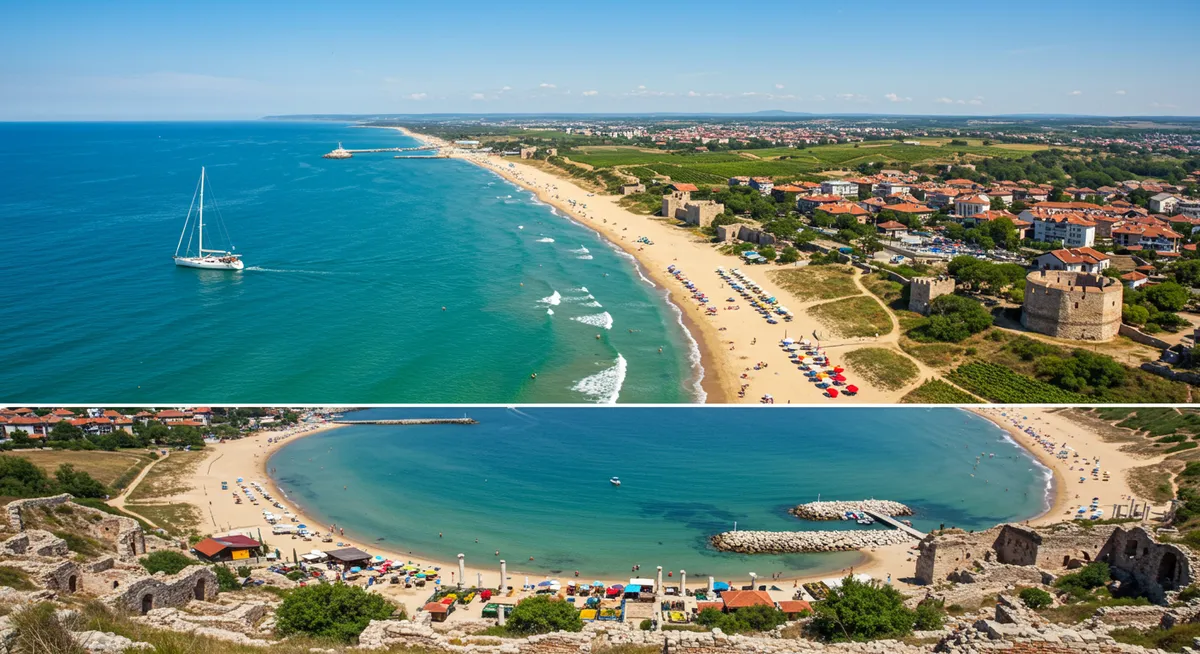
1. Sarafovo & Kraimorie Beaches – The Local Favourites (~7–15 km)
What are they? Sarafovo and Kraimorie are two quiet beachside neighbourhoods that sit just north and south of Burgas respectively, beloved by residents who want a sandy escape without the crowds of Sunny Beach or Sozopol. Both are ideal for families and anyone looking to swim, rent a sun lounger, or enjoy grilled fish at a beachfront kafana.
![Nessebar -St. Theodore Church [13th century] in Burgas, Bulgaria](/images/things-to-do-near-burgas-1-sarafovo-kraimorie-beaches-the-loc.webp)
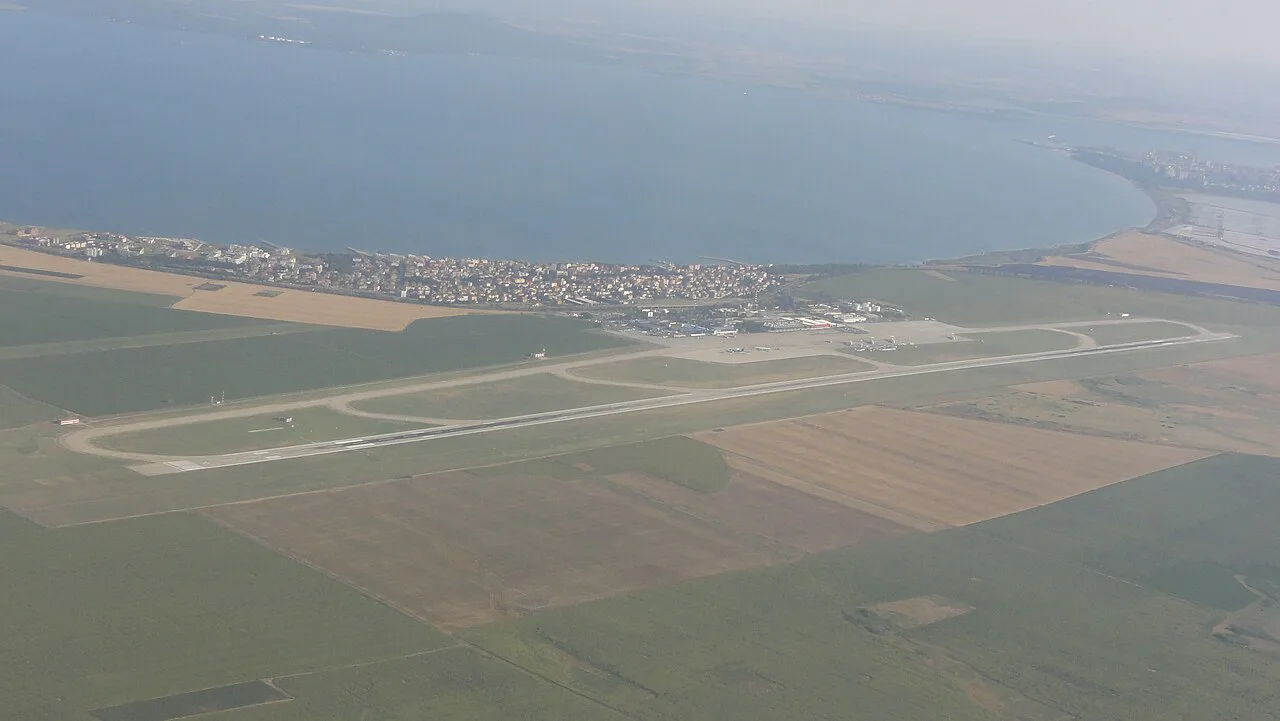
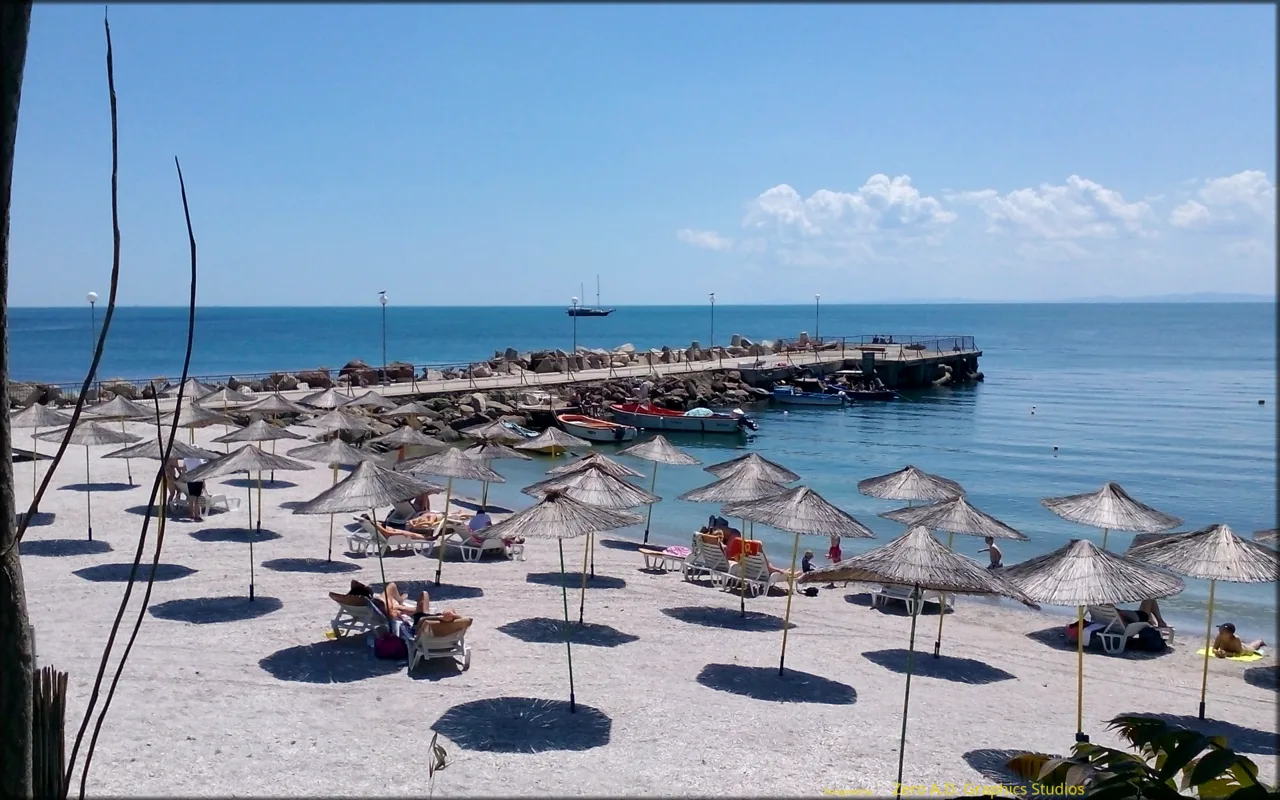
Sarafovo sits about 7 km north of Burgas centre, close to the airport. Its beach stretches roughly 4 km, has calm and shallow water, and is surrounded by a small promenade of cafes and restaurants. Kraimorie lies around 15 km south of Burgas and is even more low-key — crystal-clear water, no chain hotels, and the atmosphere of a genuine Bulgarian seaside village.
Practical info (2026):
- Sarafovo by bus: Bus line 15 from Burgas centre runs every 20–30 minutes; journey time ~23 minutes. Ticket: 1.50–2 BGN.
- Kraimorie by bus: Bus line 17 from Burgas; journey time ~25 minutes. Ticket: 1.50–2 BGN.
- By rideshare: Bolt or InDriver from Burgas to Sarafovo costs approximately 5–8 BGN; to Kraimorie 8–12 BGN.
- Best time to visit: June and September for warm water without peak-season crowds.
- Beach facilities: Both beaches offer free access. Sun lounger and umbrella rental: ~10 BGN per set per day.
Local tip: Kraimorie's small fish restaurants serve the freshest grilled black sea bream (kефал / kefel) in the Burgas area. Arrive hungry.
2. Atanasovsko Salt Pans & Lake – Flamingos at the City Edge (~3 km)
What is it? Lake Atanasovsko is a hypersaline coastal lagoon located just north of Burgas, practically inside the city limits. It is one of Bulgaria's most important protected wetlands, part of the Natura 2000 network, and home to a staggering variety of migratory birds — including greater flamingos, Dalmatian pelicans, and dozens of wader species. The lake's working salt pans have produced Bulgarian sea salt for centuries, giving the landscape a striped, otherworldly look.
Why go? Birdwatchers flock to Lake Atanasovsko during spring and autumn migration when tens of thousands of birds pass through. But even outside migration peaks the salt pans themselves are atmospheric — pink and white geometric squares stretching to the horizon. Guided birdwatching tours can be arranged through the Poda Conservation Centre nearby (see below). For deeper coverage of Atanasovsko and the adjacent Poda Protected Area, see our Burgas lakes and Poda guide.
Practical info (2026):
- Distance from Burgas: ~3 km north along the coast road — walkable or a short rideshare (~4 BGN).
- Entrance: The lake perimeter and viewing embankments are free to access.
- Poda Conservation Centre guided tours: ~10 BGN per person; book through the Bulgarian Society for the Protection of Birds (BSPB), which manages both Atanasovsko and the Poda Protected Area.
- Best time for flamingos: Late March–May and August–October.
Insider tip: The bird hides on the eastern embankment offer the best photography angles for flamingos at sunrise. Bring binoculars.
3. Pomorie Salt Museum & Lake (~25 km)
What is it? Pomorie is the only town in Bulgaria — and one of very few in Europe — where salt is still produced using purely traditional methods dating back to Byzantine times. The Museum of Salt (Muzei na Solта) explains the entire production cycle: from seawater intake channels to crystallisation basins to hand-harvesting with wooden rakes. The adjacent salt lake also happens to be one of the best birdwatching spots in the Burgas Province, with flamingos frequently visible from the lake road.
Why go? The museum is genuinely unlike anything else in Bulgaria and takes less than two hours to visit, making it perfect for a morning half-day. It's the only salt museum in Eastern Europe, dedicated to preserving Bulgaria's ancient salt-making heritage (details at the official Bulgarian Tourism portal). After the museum, walk 10 minutes into Pomorie's Old Town for coffee and baklava overlooking the Black Sea.
Practical info (2026):
- Entrance fee: 3 BGN adults / 2 BGN children (cash only at the door).
- By bus from Burgas: Bus from Burgas South bus station departs approximately every 15–30 minutes; journey time ~35 minutes. Ticket: ~2 BGN. From Pomorie bus station walk ~10 minutes to the museum.
- By rideshare: Bolt from Burgas ~20–25 BGN one-way.
- Opening hours: Typically 09:00–17:00, closed Mondays — confirm before visiting.
- Best time: June–September when salt harvesting is actively underway.
Travel tip: Combine Pomorie Salt Museum in the morning with the Aquapark Pomorie (see below) in the afternoon for a full family day — both are a short taxi ride apart within the town.
4. Aquapark Pomorie – Family Water Slides (~25 km)
What is it? Aquapark Pomorie (also marketed as Sunset Aquapark) is the closest full-scale water park to Burgas city centre, located right at the entrance of Pomorie town. It features multiple slides of varying intensity, a wave pool, a dedicated children's splash zone, and sun lounger areas — a solid full-day outing for families.
Practical info (2026):
- Day pass: ~54 BGN (~27 EUR) per adult for 10:00–18:00; discounts available for online advance booking (up to 30% off).
- Children's ticket: Lower rates for children under 100 cm or under 3 years — check the official site before booking.
- Getting there: Take the Burgas–Pomorie bus (~35 min, ~2 BGN), then a short taxi from the bus station to the park, or walk 10–15 minutes.
- Season: Typically open June–early September, 10:00–18:00.
- Book ahead: aquaparkpomorie.bg for the best 2026 rates.
Family tip: Combine with the Salt Museum in the morning — you can walk between the two sites or take a 5-minute taxi.
5. Lake Mandra & Poda Protected Area (~8 km)
What is it? Lake Mandra is a large freshwater-brackish lake just south of Burgas, formed where the Aytoska and Hadzhiyska rivers meet the sea. Together with the adjacent Poda Protected Area Visitor Guide — managed by the Bulgarian Society for the Protection of Birds — this wetland complex is one of the most important stopover points on the Via Pontica bird migration route. Over 300 bird species have been recorded in the Burgas wetlands system, of which Mandra and Poda form a crucial part.
Why go? Poda has a small visitor centre with hides, telescopes, and knowledgeable guides who can point out rare species. In spring it's not unusual to watch spoonbills, night herons, and glossy ibises from within 20 metres. The Mandra shoreline path also makes for a pleasant morning cycle from Burgas. For full detail on both Mandra and Atanasovsko, visit our Burgas lakes and Poda Protected Area guide.
Practical info (2026):
- Distance from Burgas: ~8 km south; easily reached by rideshare (~8–10 BGN) or bicycle.
- Poda visitor centre entrance: Small fee (~5 BGN); guided tours available.
- Best season: April–May and August–October for peak migration.
6. Aquae Calidae Roman Thermal Baths (~10 km)
What is it? Aquae Calidae, meaning "hot waters" in Latin, is an ancient thermal spa complex located near Burgas where natural hot springs have attracted visitors since Thracian times. Romans, Byzantines, and Ottomans each built bath houses on the same site over the centuries, leaving a fascinating archaeological layer cake visible in the preserved ruins. The on-site museum displays finds from all periods and contextualises the site within Bulgaria's broader history of thermal bathing.
What makes it special? The thermal springs here reach temperatures of around 48°C and were so prized that every successive civilisation that controlled this part of Thrace maintained or expanded the bathing complex. You can trace the architectural evolution from Thracian stone channels, through Roman hypocaust (underfloor heating) systems, to Ottoman-era hamam remains — all within a single modest site. The juxtaposition of so many eras in one small location is genuinely unusual even by Bulgarian standards.
Why go? This is one of the most historically layered sites accessible directly from Burgas — and still often overlooked by visitors focused on Nessebar or Sozopol. The lack of crowds makes it feel like a genuine discovery. For a dedicated exploration of the ruins, the thermal history, and visiting tips, see our complete Aquae Calidae guide.
Practical info (2026):
- Distance from Burgas: ~10 km west, near the village of Vetren; best reached by rideshare (~10–12 BGN one-way) or private car.
- Entrance fee: ~5–8 BGN; verify current rates at the site or at the Burgas Regional History Museum, which administers it.
- Opening hours: Seasonal — typically 09:00–17:00; closed Mondays. Confirm before visiting in shoulder season.
- Time required: Allow 1–1.5 hours including the museum.
Insider tip: Visit on a weekday morning — you will often have the ruins entirely to yourself. The site has limited shade, so bring water and a hat in summer.
7. St. Anastasia Island – A Historical and Scenic Retreat
What is it? St. Anastasia Island is a small, captivating island located in Burgas Bay — the only inhabited island on the Bulgarian Black Sea coast. Known for its rich history, stunning natural beauty, and serene atmosphere, the island offers a unique blend of historical exploration and tranquil relaxation. It features a medieval monastery, a lighthouse, and intriguing museums.
Why go? The island is a treasure trove of history and natural beauty. Visitors can explore the well-preserved monastery, learn about the island's fascinating past, and enjoy panoramic views of the Black Sea. The island often hosts cultural events and exhibitions, and the boat trip itself offers breathtaking coastal scenery.
Don't miss: Visit the island's museum, which showcases its history from a monastery to a prison to a tourist attraction. Climb the lighthouse for spectacular views. Enjoy a meal at the island's restaurant, known for its fresh seafood and traditional Bulgarian cuisine.
Travel Tip: Book your boat trip in advance, especially during peak season, to ensure you don't miss out on this incredible experience.
8. Pomorie – Mud Baths, Old Town Peninsula, and Monastery (~25 km)
What is it? Pomorie is a multi-layered destination that rewards visitors who stay beyond the Salt Museum. The town is built on a narrow peninsula jutting into the Black Sea, giving it sea views on virtually every street. Its therapeutic black mud — extracted from the adjacent salt lake — has been used medicinally since antiquity, and the local spa industry has grown up around this unique resource. The Old Town retains traditional Bulgarian Black Sea architecture, with stone-and-timber houses, cobbled lanes, and a small monastery dating to the 15th century.
What to do beyond the Salt Museum:
- Mud bath treatments: Several spa centres and sanatoria on the lake shore offer peloid (mud) therapy sessions for joint pain, skin conditions, and general relaxation. Sessions typically cost 20–40 BGN per person; the Pomorie sanatorium is the largest facility. Treatments are most effective and most popular from June to September.
- Old Town walk: The 30-minute circular walk around the peninsula past the medieval church of St George and the Transfiguration Monastery is free and offers striking sea views from both sides of the peninsula simultaneously.
- Lakeside sunset: The western shore of Pomorie Lake at sunset — especially from April through October when flamingos are present — is one of the most photogenic scenes in the Burgas Province.
Practical info (2026):
- Getting there: Bus from Burgas South station, every 15–30 minutes, ~35 minutes, ~2 BGN. Return buses run until around 21:00 in summer.
- Best time: June–September for mud baths and full spa facilities; April–May and September–October for birdwatching.
Travel Tip: Mud treatments are most popular during the warmer months — book a session in advance during July and August, as the better sanatorium facilities fill quickly.
9. Beglik Tash – Ancient Thracian Sanctuary (~65 km)
What is it? Beglik Tash is an ancient Thracian sanctuary located near Primorsko. It features a collection of megalithic stones arranged to suggest it was used for religious rituals and astronomical observations. This sacred site offers a fascinating glimpse into the beliefs and practices of the Thracian people thousands of years ago.
Why go? Visiting Beglik Tash allows you to step back in time and explore a mysterious and historically significant site. The sanctuary's natural setting, combined with its ancient stones, creates a powerful experience. Guided tours are available and provide valuable insights into the sanctuary's history and significance. Note that this site is better combined with a full day trip south from Burgas rather than a quick half-day.
10. Ropotamo Nature Reserve – River Cruise Adventure (~70 km)
What is it? The Ropotamo Nature Reserve is a protected area known for its rich biodiversity and stunning landscapes. The main attraction is the Ropotamo River, which meanders through a lush forest, creating a unique ecosystem. Visitors can explore this natural gem via a scenic river cruise offering views of diverse flora and fauna including kingfishers, herons, water lilies, and dense riverside vegetation.
Why go? The tranquil environment and picturesque scenery offer a relaxing escape. The reserve is home to rare plant species, making it a haven for nature enthusiasts and photographers. Don't miss the chance to also visit the nearby Arkutino beach and an ancient Thracian dolmen within the reserve. Like Beglik Tash, Ropotamo works best as part of a day trip south from Burgas.
Expert tip: The best time to visit is during late spring or early autumn for optimal weather and wildlife viewing opportunities. Bring binoculars and a camera.
Getting Around Near Burgas — Transport Tips
Burgas has a functional urban bus network (Burgas Bus) with routes reaching most nearby suburbs and beaches. For the Salt Museum in Pomorie, buses from Burgas South station depart approximately every 15–30 minutes for around 2 BGN each way. Rideshare apps Bolt and InDriver operate throughout the Burgas Province and are often the easiest option for destinations not directly on a bus line. Car rental from Burgas Airport starts from around 40–60 BGN per day and is worth considering if you plan to visit multiple sites in one trip. For getting around the city itself, see our Burgas transportation guide.
💡 Good to know: Buy a few small-denomination BGN notes before you set out — most rural bus tickets and the cash-only entries at the Pomorie Salt Museum (3 BGN) and Aquae Calidae are paid in cash on the spot, and card payment is rarely accepted at these smaller sites.
Guided Tours & Organised Excursions from Burgas (2026)
If you would rather not navigate buses and rideshare apps yourself, several of the sites above can be visited on an organised excursion. Day-tour operators on platforms such as GetYourGuide and Viator run small-group trips out of Burgas in the warmer months, and local guides can be arranged directly for the more specialist sites. The most commonly offered options near Burgas include:
- Birdwatching tours of the Burgas lakes: Guided trips to Atanasovsko, Mandra and the Poda Protected Area, led by Bulgarian Society for the Protection of Birds guides, run roughly 10 BGN per person and are the easiest way to spot flamingos and pelicans with a telescope on hand.
- Pomorie salt & spa half-days: Combined trips pairing the Salt Museum with a mud-bath session at the lakeside sanatorium, ideal if you want the wellness experience without arranging transfers yourself.
- Archaeology excursions to Aquae Calidae: Guided visits to the Roman thermal baths are sometimes bundled with the Burgas Regional History Museum, which administers the site.
- Boat trips to St. Anastasia Island: Regular passenger boats depart Burgas port in season; booking ahead in July and August is essential as sailings sell out.
For longer, fully guided itineraries that reach Sozopol, Nessebar and Strandzha, see our companion guide to Best Day Trips from Burgas, which covers the more distant excursions in depth.
Things to Do Near Burgas vs Things to Do In Burgas
Search results for Burgas often mix two different intents, so it helps to know which you actually want. Things to do in Burgas means attractions inside the city — the Sea Garden seafront park, the Burgas Regional History Museum, the pedestrian Aleksandrovska shopping street, and the city's central beach. Things to do near Burgas — the focus of this guide — means the wetlands, beaches, salt towns and Roman ruins within about 30 km that make easy half-day escapes. If you want the in-city sights, head to our Burgas attractions guide; for evening plans, see Top Things to Do & Nightlife Guide 2026. The two pair perfectly: spend mornings exploring nearby nature and beaches, and evenings back in the city.
Planning Your Day Near Burgas — Suggested Combinations
Most of the sites covered in this guide work well as standalone half-day trips, but combining two in a single day is easy given the short distances. Here are a few tried combinations for 2026:
![Nessebar -Christ Pantocrator Church [13th century] in Burgas, Bulgaria](/images/things-to-do-near-burgas-planning-your-day-near-burgas-sugges.webp)
- Nature morning + beach afternoon: Start at Atanasovsko Lake (free, 3 km north) for birdwatching at sunrise, then take Bus 15 (~23 min) to Sarafovo for lunch and an afternoon swim. Total transport spend: under 4 BGN.
- History + relaxation in Pomorie: Morning at the Pomorie Salt Museum (3 BGN, ~35 min by bus), lunch in the Old Town, afternoon mud bath treatment at the sanatorium (20–40 BGN), and return bus to Burgas by 19:00. Full day for well under 60 BGN per person.
- Family water day: Bus from Burgas South to Pomorie (2 BGN), 10-minute taxi to Aquapark Pomorie (54 BGN day pass), then Salt Museum for 30 minutes before the last bus home. Kids get slides and culture in one trip.
- Archaeology + thermal history: Rideshare to Aquae Calidae (~10–12 BGN, ~15 min), 1.5 hours at the ruins, return to Burgas for lunch. Pair this with the afternoon Atanasovsko walk for a full and varied day.
- Lakes and wetlands circuit: Morning at Poda Protected Area (8 km south, Lake Mandra viewpoints), then take a rideshare north to Atanasovsko (~3 km north of city) for afternoon birding. Both are low-cost and offer very different ecosystems within the same Burgas wetlands system.
Budget ballpark for a Pomorie day trip (2026): Bus there and back: 4 BGN. Salt Museum: 3 BGN. Lunch in Old Town: 15–20 BGN. Optional mud bath: 20–40 BGN. Total: 42–67 BGN per adult — a well-priced cultural and wellness day out from Burgas.
Frequently Asked Questions
What is the closest attraction to Burgas city centre?
Lake Atanasovsko sits just 3 km north of the city centre and is walkable. The Poda Protected Area and Lake Mandra are about 8 km south. Both are free or very low cost to visit and require no booking.
Which nearby attraction is best for families with children?
Aquapark Pomorie is the top pick for families — it has slides for all ages, a children's splash zone, and is just 35 minutes from Burgas by bus. Sarafovo Beach is also excellent for families due to its calm, shallow water and easy bus access (Line 15).
Which destination near Burgas has the best public transport connection?
Pomorie is the best-connected town — buses depart from Burgas South station every 15–30 minutes for around 2 BGN. Sarafovo is served by Bus 15 every 20–30 minutes from central Burgas. For Kraimorie, take Bus 17.
What is the best time of year to visit the nature sites around Burgas?
Spring (April–May) and early autumn (August–October) are optimal for birdwatching at Atanasovsko, Mandra, and Poda. Summer (June–September) is best for beaches and the Pomorie aquapark. The Roman ruins at Aquae Calidae can be visited year-round but check opening hours in winter.
Are the nearby beaches better than the beaches in Burgas itself?
For calm, shallow water ideal for children, Sarafovo is generally preferred over Burgas Central Beach. Kraimorie offers a more authentic local atmosphere and cleaner water than the busier resort beaches further south. Neither has the commercial development of Sunny Beach, which suits visitors who prefer a quieter setting.
How do I get to Pomorie from Burgas without a car?
Take a bus from Burgas South bus station — services depart approximately every 15–30 minutes, the journey takes around 35 minutes, and tickets cost roughly 2 BGN. From the Pomorie bus station, the Salt Museum is a 10-minute walk. Rideshare (Bolt) is around 20–25 BGN one-way if you prefer door-to-door service.
Is there anything to do near Burgas in winter?
Yes — several attractions are worth visiting year-round. The Burgas Regional History Museum is open through winter and covers finds from across the province including Aquae Calidae. Atanasovsko Lake often hosts greater white-fronted geese and other wintering waterfowl from November through February, making it a rewarding birdwatching destination even in cold weather. Pomorie's Old Town is quiet and atmospheric in winter, and the drive around the salt lake in low season light is beautiful. Most beach destinations and the aquapark close or scale down after October, so the focus shifts to history, nature, and the Sea Garden parks in the city itself.
What is the best single half-day trip from Burgas if I only have a few hours?
For a half-day with no car, the Pomorie Salt Museum wins: buses run frequently, the museum takes 1–1.5 hours, and you can walk the Old Town for another hour before catching the bus home — all for under 10 BGN in transport and entry. If you have a rideshare budget, Aquae Calidae (Roman Baths) is the best concentrated history experience closest to the city.
How many days do you need to explore the area around Burgas?
Two to three days is enough to cover the highlights near Burgas comfortably. With the sites all within about 30 km of the city centre, you can pair a nature or history outing each morning with a beach or city evening — for example, Atanasovsko Lake and Sarafovo on day one, Pomorie's Salt Museum and mud baths on day two, and Aquae Calidae plus Lake Mandra on day three. If you also want the more distant destinations like Sozopol, Nessebar and Strandzha, add a further two or three days for the Best Day Trips from Burgas.
Do I need to book guided tours in advance for sites near Burgas?
For most sites — the lakes, beaches, Aquae Calidae and the Pomorie Salt Museum — you can simply turn up; no booking is required. Booking ahead matters mainly for the St. Anastasia Island boat trips and the Pomorie mud-bath sanatoria in July and August, when both fill quickly. Birdwatching tours of the Burgas lakes can be arranged through the Bulgarian Society for the Protection of Birds, usually with a day or two's notice.
Exploring the area near Burgas offers a diverse range of experiences, from historical sites and natural reserves to vibrant cultural attractions and relaxing seaside escapes. Whether you're seeking adventure, relaxation, or cultural enrichment, the region surrounding Burgas has options for different travel styles in 2026. For destinations beyond the 30 km radius covered here — including Sozopol, Nessebar, and Strandzha National Park — read our guide to Best Day Trips from Burgas. And for evenings back in the city, don't miss our guide to Top Things to Do & Nightlife Guide 2026.
Filed under
Continue your journey
Related Bulgaria guides
16 Aug 2026
6 Best Neighborhoods in Burgas: A 2026 District Guide
16 Aug 2026
Parking in Burgas: Blue Zone Rates, Payment & Airport Guide
16 Aug 2026
12+ Free Things to Do in Burgas: A Budget Traveler's Guide

23 Jul 2026
12 Best Burgas Restaurants: Where to Eat in 2026
23 Jul 2026
Car Hire in Burgas, Bulgaria: The Complete 2026 Rental Guide
23 Jul 2026