
Top 10 Outdoor & Nature Activities in Burgas (2026 Guide)
Discover the top outdoor & nature activities in Burgas in 2026. Birdwatching, hiking, lakes, protected areas, and coastal trails — plan your Burgas nature escape today.
On this page
The 10 Best Outdoor & Nature Activities in Burgas (2026 Guide)
Burgas, a vibrant city on Bulgaria's Black Sea coast, is a haven for outdoor enthusiasts and nature lovers. In 2026, Burgas continues to grow as a top destination for nature tourism, offering a diverse range of activities from serene birdwatching to exciting boat trips. Whether you're looking for a relaxing escape or an action-packed adventure, Burgas provides the perfect backdrop. Discover the best spots for observing unique bird species, explore the lush greenery of its parks, or embark on a boat tour to nearby islands. For a complete overview of what this coastal city has to offer, visit our Burgas attractions guide.
Burgas sits at the heart of the Burgas Lakes Complex — a system of four interconnected wetlands (Atanasovsko, Burgas, Mandra, and Vaya lakes) that together form one of the most important bird migration corridors in Europe. Over 400 bird species have been recorded across these lakes, making the city uniquely positioned for nature tourism. Spring (April–May) and early autumn (August–September) are the peak seasons for birdwatching, while summer is ideal for coastal cycling, beach walks, and boat excursions.
1. Explore St. Anastasia Island by Boat
Embark on an unforgettable journey to St. Anastasia Island, one of the most intriguing outdoor & nature in Burgas experiences. A short boat trip from Burgas will transport you to this historical island, steeped in mystery and natural beauty. Once a monastery and later a prison, St. Anastasia now offers visitors a unique blend of history, stunning sea views, and engaging activities. You can explore the island's museum, housed in the old monastery, and learn about its fascinating past. The herbal pharmacy, recreating ancient remedies, is another highlight. Before you go, be sure to savor traditional Bulgarian cuisine at the island's charming restaurant, all while soaking in the tranquil atmosphere. This island escape is truly one of the top things to do in Burgas for those who love combining history with open-air adventure.
2. Cruise the Black Sea at Sunset
Experience the magic of the Black Sea with a sunset cruise, one of the most enchanting outdoor & nature experiences in Burgas. Imagine gliding over the tranquil waters as the sun dips below the horizon, painting the sky with vibrant hues. These cruises often include dinner and champagne, adding a touch of luxury to your adventure. It's a perfect way to unwind and enjoy the stunning coastal scenery. Many cruises depart from the Burgas port, with options ranging from 1-hour evening sails to full-day island excursions. The gentle sea breeze and sound of the waves create a soothing atmosphere that makes this one of the standout nature experiences on the Black Sea coast.
3. Discover Lake Atanasovsko's Birdlife
Lake Atanasovsko, a hyper-saline lagoon just north of Burgas, offers an unparalleled experience for birdwatching enthusiasts. Designated as a protected area within the European Ecological Network Natura 2000, the lake hosts 316 bird species that migrate, winter, or nest in the reserve. Of these, 14 are globally endangered — including the Dalmatian Pelican and Pygmy Cormorant — and 83 are listed in Bulgaria's Red Book.
The lake sits immediately north of Burgas city centre, reachable by public bus or by bicycle along a dedicated lane connecting the lake's western shore to the Sea Garden. A birdwatching hide on the western bank provides excellent views. Peak season for migratory birds is March–April (spring passage) and August–September (autumn passage), when over 250,000 white storks (75% of the European population) and 40,000 white pelicans pass through. Even in summer, the lake's pink hues — created by salt-loving microorganisms (Dunaliella salina algae) — make it a stunning photographic subject. Entrance to the birdwatching area is free; binoculars are strongly recommended.
4. Relax in the Sea Garden (Morska Gradina)
Escape the hustle and bustle with a tranquil retreat to Burgas's Sea Garden (Morska Gradina), a sprawling green oasis along the coastline. This meticulously landscaped park offers a serene environment perfect for leisurely strolls, peaceful contemplation, and connecting with nature. Discover hidden fountains, vibrant flowerbeds, and shaded benches that invite relaxation. The Summer Theatre hosts various cultural events, or you can simply find a quiet spot to enjoy breathtaking views of the Black Sea. The Sea Garden also connects directly to the Atanasovsko Lake birdwatching trail via a coastal cycling and walking path, making it a natural starting point for a half-day nature loop. For a more detailed exploration, see our dedicated Sea Garden Burgas guide.
5. Hike in Strandzha Nature Park
Escape the city and immerse yourself in the tranquility of Strandzha Nature Park, one of Bulgaria's largest protected areas and a true gem for outdoor enthusiasts. The park spans over 1,160 km² of ancient oak and beech forests, rivers, and rocky ridges stretching toward the Turkish border — a landscape unlike anything else on Bulgaria's coast.
Well-marked hiking trails range from easy forest walks to strenuous ridge routes. Popular options include the trail from Malko Tarnovo to the Mishkova Niva meadow (approx. 8 km, 3–4 hours), the Rossen Waterfall loop (4 km, easy), and the coastal ridge trail near Rezovo with views over the Black Sea. The park is also home to ancient dolmens (megalithic tombs) and endemic plant species like Strandzha oak and Strandzha rhododendron, which blooms in May. Spring and autumn are the best seasons; summer can be warm and humid. Entry to the park is free; guided tours depart from Malko Tarnovo (approx. 65 km from Burgas) from April to October.
6. Visit the Poda Protected Area
For wildlife enthusiasts, the Poda Protected Area ranks among the most remarkable birding sites in Europe. Managed by the Bulgarian Society for the Protection of Birds (BSPB), Poda records 315 bird species on an area of just 1 km² — representing roughly a quarter of Europe's total bird diversity in an extraordinarily compact space. The site lies at the southeastern tip of Burgas Lake, within walking distance of the city.
Poda sits directly on the Via Pontica, Europe's second-largest bird migration route. Flamingos, white storks, herons, and Dalmatian pelicans are among the species regularly observed here. A well-maintained wooden boardwalk and observation tower allow visitors to survey the wetland without disturbing nesting birds. In 2026, entrance fees are 4 BGN for adults and 2 BGN for students; guided tours are available on request through BSPB. Opening hours: daily 09:00–17:00 (October–March), 08:00–19:00 (April–September).
For a deeper look at all four Burgas lakes — including Lake Burgas, Mandra, and Vaya — and a full seasonal birdwatching calendar, see our complete guide to the Burgas Lakes and Poda Protected Area.
7. Stroll Along Burgas Beach
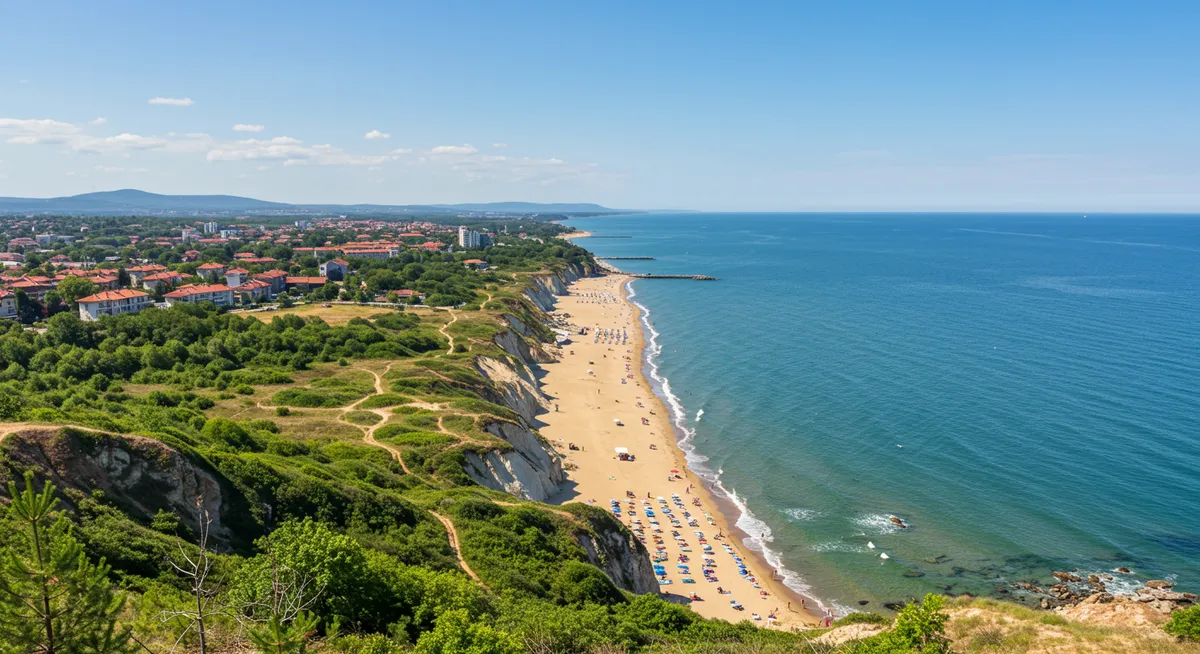
A visit to Burgas isn't complete without a leisurely stroll along Burgas Beach, a central hub for both locals and tourists. With its golden sands and inviting Black Sea waters, the beach offers perfect relaxation and recreation. The beach is well-maintained and equipped with sunbeds, showers, and café bars during the summer season (June–September). Early morning walks along the shoreline are especially peaceful, with views of the sea mist rolling in and pelicans occasionally gliding overhead from the nearby lake. For a full rundown of Burgas's coastal spots, our Burgas beaches guide covers every stretch of sand from the city beach to the quieter northern coves.
8. Enjoy a Fishing Trip on the Black Sea
Embark on an unforgettable adventure with a fishing trip on the Black Sea, a quintessential outdoor & nature experience in Burgas. Feel the gentle sea breeze as you set sail, and try your luck at catching local fish species including sprat, goby, and Black Sea turbot. Many tours provide all the necessary equipment and guidance, making it suitable for both beginners and experienced anglers. These trips typically last 3–5 hours and often include a light lunch onboard. Departures from Burgas port run from May through October; advance booking is recommended in July and August.
9. Explore the Ancient Deultum Archaeological Site
Step back in time with a visit to the Ancient Deultum Archaeological Site, located near the town of Debelt, approximately 20 km from Burgas. Deultum was one of the oldest Roman colonies in Bulgaria, founded in the 1st century AD. The open-air museum features well-preserved ruins including a Roman bath complex (thermae), fortress walls, and a collection of artifacts. In 2026, the site is open Tuesday–Sunday, 09:00–17:00; admission is 5 BGN for adults. A guided tour (available in Bulgarian and English) adds significant depth to the visit. Combining this with a stop at Mandra Lake on the way back makes for a rewarding full-day trip from Burgas.
10. Cycle Along the Coastal Paths
One of the most invigorating ways to experience Burgas is by cycling along its scenic coastal paths. Dedicated bike lanes and relatively flat terrain make the coastline accessible and enjoyable for all skill levels. Bikes can be rented from several shops near the Sea Garden for approximately 10–15 BGN per hour. The main coastal cycling route runs from the Sea Garden northward along the Atanasovsko Lake shore, offering lake views on one side and sea views on the other — a 10 km round trip that passes the birdwatching hide and several picnic areas. A longer route (25 km) continues through Pomorie, a town famous for its salt museum and Black Sea mud therapy. These paths connect numerous beaches and parks, offering perfect spots for a picnic or a quick dip.
Hiking Trails Near Burgas: Named Routes & Practical Details
While Strandzha dominates longer hikes, several shorter trails are easily reachable from Burgas city for a half-day outing:
- Atanasovsko Lake Loop (8 km, easy): Starts from the Sea Garden, follows the western shore of the lake to the birdwatching hide and back. Flat terrain, no shade in midsummer — start early. Best April–May and August–September.
- Poda–Lake Burgas Trail (5 km, easy): Connects the Poda Protected Area with the eastern shore of Lake Burgas via a marked path through reed beds and salt meadows. Excellent for photography. No entrance fee for the trail itself.
- Cape Chukaria Coastal Walk (6 km, easy–moderate): South of Burgas, past the port district, this coastal path skirts rocky limestone outcrops with nesting cormorants and sea views toward the Turkish border.
- Strandzha — Mishkova Niva Trail (8 km, moderate): Starting from Malko Tarnovo (65 km from Burgas). Ancient beech and oak forest, dolmens, and endemic Strandzha flora. Best May–June when rhododendron blooms.
For all trails, carry water — especially in summer. The Burgas area has few natural springs near the lake routes. Trail-running is increasingly popular on the Atanasovsko loop; cyclists share most of the lakeside paths.
Best Birdwatching Spots & Seasonal Calendar
The Burgas Lakes Complex is one of Europe's premier birdwatching destinations, concentrated within 20 km of the city centre. Here's how the year breaks down:
- March–April (spring migration): Peak passage for white storks (250,000+), white pelicans (40,000+), marsh harriers, and waders. Atanasovsko Lake and Poda are both superb. Lesser spotted eagles and honey buzzards visible on ridge thermals above Strandzha by late April.
- May–June (breeding season): Little egrets, night herons, bee-eaters, rollers, and kingfishers active near Lake Burgas and Mandra. Via Pontica Birding Festival typically held in May — check BSPB for 2026 dates.
- July–August (summer): Quieter for migration but good for salt-pan specialists at Atanasovsko: avocet, black-winged stilt, little tern. Pink hues of the lake most vivid July–August due to algae blooms.
- August–October (autumn migration): Second peak passage. Raptors (honey buzzard, lesser spotted eagle, black stork) concentrate over the Via Pontica ridge. Dalmatian pelicans return to Poda. Flamingos occasionally recorded at Atanasovsko in September–October.
- November–February (winter): Waterfowl including smew, goldeneye, and great white egret winter on the lakes. Mandra Lake often holds large cormorant roosts.
Key viewing infrastructure: Poda observation tower (free with site entry), Atanasovsko birdwatching hide (free), and the Green Corridors network of marked nature trails managed by the Burgas Municipality connects all four lakes with signage in Bulgarian and English.
Atanasovsko Lake Salt Pans & Pink Views
Atanasovsko Lake is not only a wildlife reserve — it's an active salt-production site, one of the oldest in Bulgaria. Salt has been harvested here since ancient Thracian times, and the lake's northern section still operates as a commercial salt works. The salt pans create a distinctive mosaic of vivid colours: deep pink from the Dunaliella salina algae, white salt crusts, and turquoise open water.
The best viewpoint for the pink lake phenomenon is the birdwatching hide on the western shore, accessible via a 3 km walk or cycle from the Sea Garden. Photography is best in the 2 hours after sunrise and before sunset when the colours are most saturated. No special permit is needed; the path is publicly accessible year-round. The salt museum in nearby Pomorie (15 km north) provides complementary historical context and is worth combining into a half-day itinerary.
Frequently Asked Questions
What is the best time to visit Burgas for nature and outdoor activities?
April–May and August–September are the optimal windows. Spring offers peak bird migration (storks, pelicans, raptors) and pleasant temperatures (15–22°C). Early autumn brings the second migration wave and cooler conditions ideal for hiking. Summer (June–August) is best for coastal cycling, beach walks, and boat trips, but birdwatching is quieter.
Is birdwatching at Poda Protected Area free?
No. In 2026, entrance is 4 BGN for adults and 2 BGN for students. The site is managed by BSPB (Bulgarian Society for the Protection of Birds). Opening hours are 08:00–19:00 April–September and 09:00–17:00 October–March. Guided tours can be arranged in advance.
How do I get to Lake Atanasovsko from Burgas city centre?
The lake's western shore is approximately 3 km from the Sea Garden. You can reach it by public bus (lines serving the northern districts), by bicycle along the dedicated coastal lane, or on foot in about 45 minutes. A car park is also available near the birdwatching hide.
Are there hiking trails in Strandzha Nature Park suitable for beginners?
Yes. The Rossen Waterfall loop (4 km, easy) and several marked forest walks near Malko Tarnovo are suitable for beginners. Trails are well-marked and maintained. The park is approximately 65 km from Burgas; guided day trips are available from April to October.
Can I cycle around the Burgas lakes?
Partially. A dedicated cycling lane runs along the Atanasovsko Lake western shore from the Sea Garden. The Pomorie route (25 km one-way) is also bike-friendly. Bikes can be rented near the Sea Garden for 10–15 BGN per hour. Not all lake shores have cycling infrastructure — the eastern and southern shores of Lake Burgas are best explored on foot.
What wildlife can I see at Mandra Lake?
Mandra Lake (also known as Lake Vaya) is a freshwater reservoir southeast of Burgas. It supports large cormorant and grey heron colonies, nesting little egrets, and in winter hosts smew, goldeneye, and great white egret. It is less visited than Atanasovsko or Poda, making it excellent for quiet observation. Access is via the road toward Chernomorets.
Is St. Anastasia Island accessible year-round?
No. Boat services to St. Anastasia Island run from May to October, weather permitting. The crossing takes approximately 30 minutes from Burgas port. The island has a restaurant, museum, and herbal pharmacy, all open during the tourist season. Check current schedules at the port ticket office as departure times vary by month.
Burgas offers a diverse range of outdoor and nature experiences, from tranquil birdwatching to thrilling boat trips. Whether you're seeking relaxation or adventure, Burgas has something for everyone in 2026. For day trips beyond the city, see our day trips from Burgas guide covering Nessebar, Pomorie, Sozopol, and the Strandzha interior. Start planning your outdoor escape to Burgas today and discover the natural beauty of the Bulgarian Black Sea coast!