Is Sofia Bulgaria Worth Visiting? 10 Things to Know Before You Go
Yes, Sofia is absolutely worth visiting in 2026 for its layered Roman and Soviet history, low prices, and easy access to Vitosha Mountain Visitor Guide. If you prefer a more artistic and laid-back base, head to Plovdiv instead, or pair the two. I last visited in spring and found the city greener and more walkable than guides suggest.
To get a feel for Sofia's center before your visit, here's a high-resolution walking tour of the main neighborhoods:
Bulgaria's capital often gets skipped for the Black Sea coast or flashier European cities. Many travelers wonder whether brutalist concrete blocks outweigh golden cathedral domes. The honest answer is that Sofia's charm lives in its layers — ancient ruins sit directly under the streets where locals grab their morning coffee, and you can walk through 2,000 years in 20 minutes.
Compared to Prague or Budapest, Sofia has refreshingly low tourist density and prices that still let you eat well without watching the bill. This guide gives you an honest 2026 read on the city: what's actually worth your time, what to budget in BGN and EUR (Bulgaria switched currency on 1 January 2026), and how to decide whether 24 hours is enough or you should stay three nights.
What is Sofia Like? Atmosphere and First Impressions
Sofia feels like a layered cake of history where eras sit directly on top of each other. You walk on Roman ruins while looking up at Communist-era ministries, and then turn a corner to find a 4th-century rotunda tucked between modern office blocks. The famous yellow pavement in the government district adds a regal, almost theatrical note.
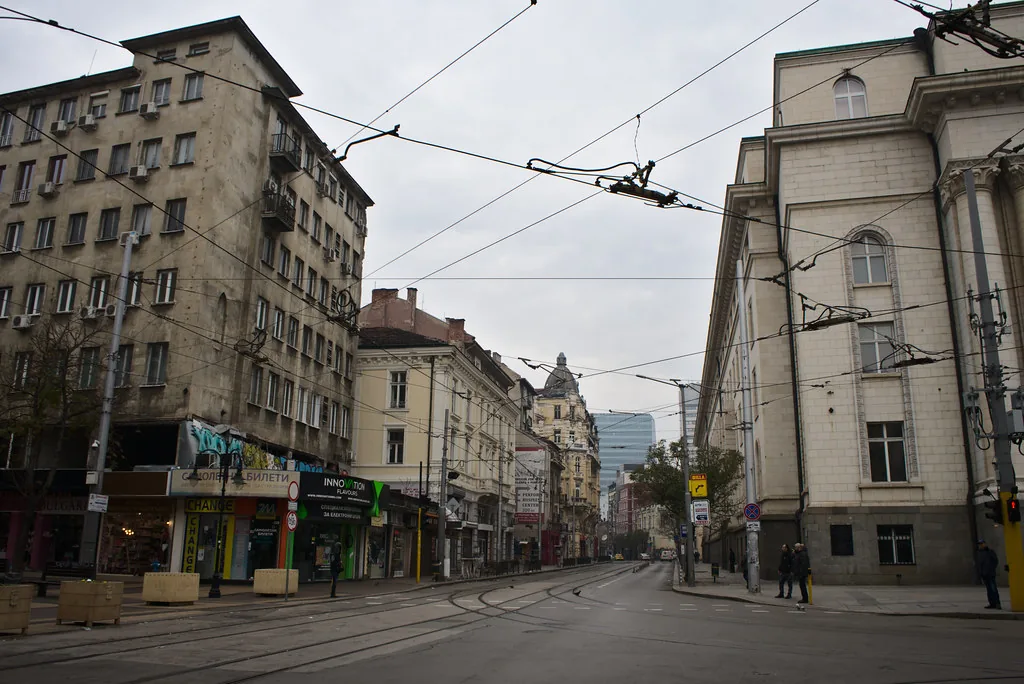
The center is unusually green for a European capital. Wide tree-lined boulevards connect the main squares, and locals spend long evenings on park benches with a beer or a coffee from a kiosk. Vitosha Mountain looms over the southern skyline from almost any wide street, which means you're rarely more than a glance away from a 2,290-metre peak.
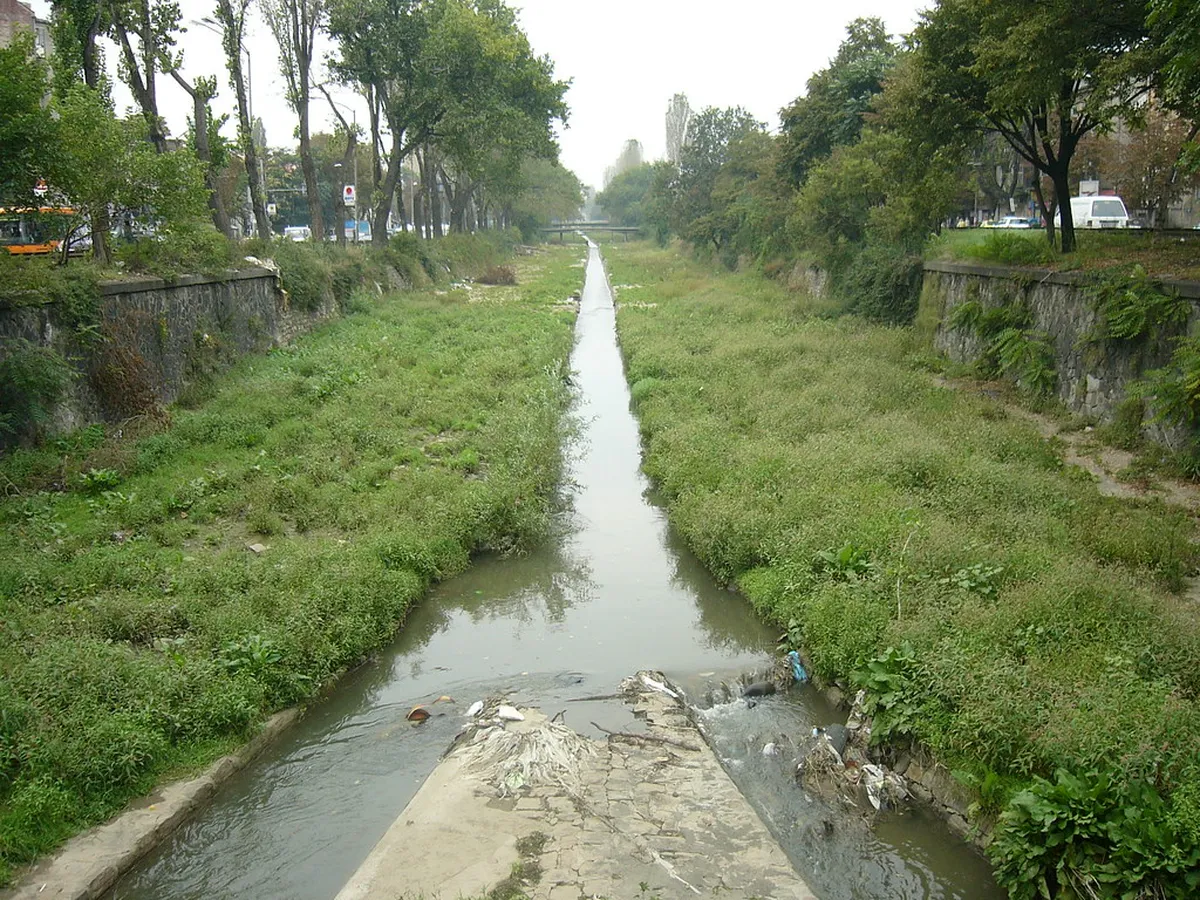
Outer neighborhoods can look rough, but the central tourist core is clean and safe. Graffiti is common, and a lot of it is genuinely good street art rather than tagging. There's none of the aggressive sales energy you get in some Mediterranean capitals — vendors and waiters mostly leave you alone. Three nights is the sweet spot: two days in the city, one for a Vitosha or Rila side trip.
5 Reasons Why Sofia is Worth Visiting
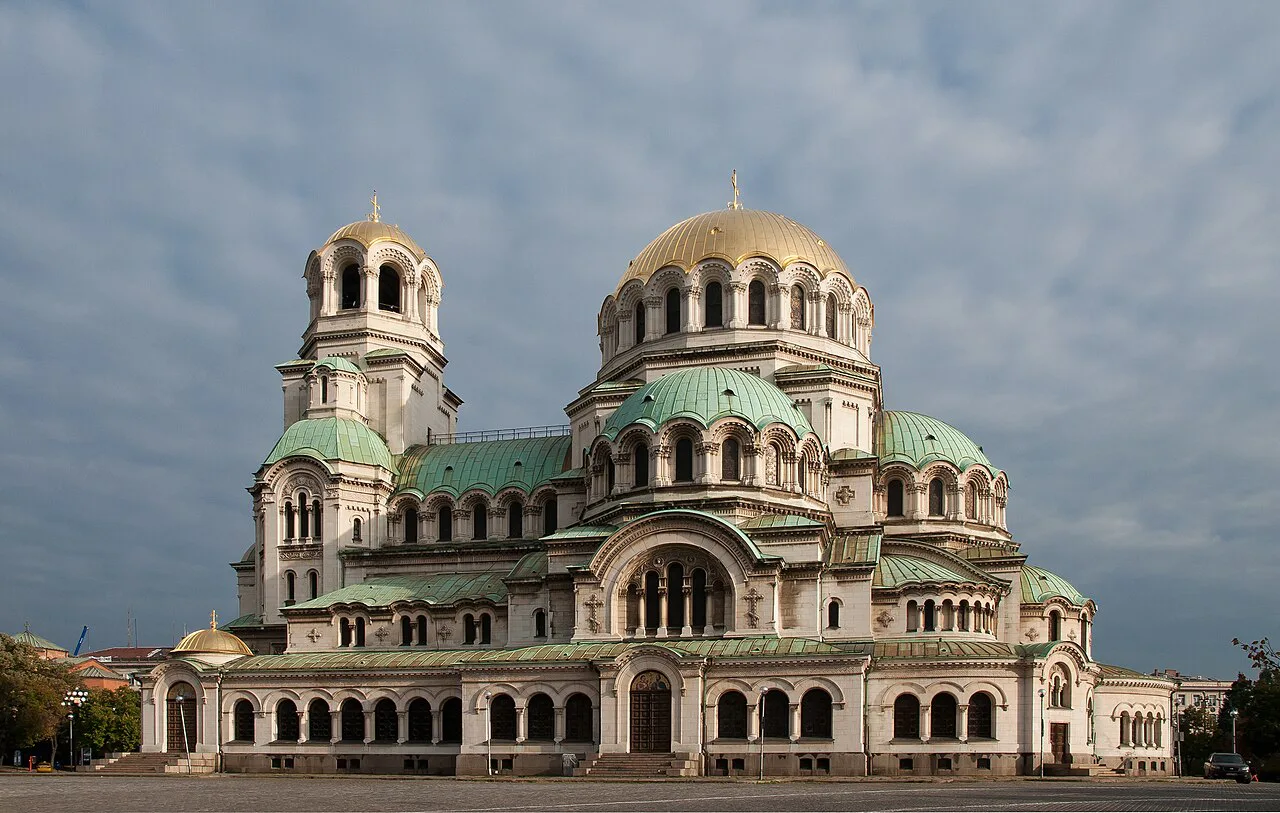
History runs astonishingly deep here. The main sights are all walkable from one central metro hub, Serdica, and the Alexander Nevsky Cathedral Visitor Guide is a genuinely world-class landmark with hand-painted iconostasis and gold-plated domes. Entry to the cathedral itself is free; the photo permit costs 10 BGN (around €5).
Sofia is also a strong base for the wider Balkans. You can do a day trip to Vitosha in the morning and be back in the center for dinner. The craft beer and specialty coffee scene rivals Western capitals at half the price, and a small but vocal digital nomad community (the Sofia Expats group runs regular meetups in Studentski Grad) keeps it growing.
The biggest practical reason: value. You can explore preserved Roman streets for the price of a metro ticket, museum entry mostly runs 6–10 BGN (€3–5), and a sit-down dinner with wine rarely tops €25 per head. Check the Official Tourism Portal for seasonal openings.
- Pros: What visitors usually love
- Extremely affordable food, drinks, and transit
- Roman, Byzantine, Ottoman, and Soviet layers in one walk
- Compact, walkable city center
- Vitosha Mountain hiking 30 minutes from downtown
- Safe and uncrowded compared to other capitals
- Cons: What may disappoint
- Brutalist architecture outside the historic core
- Cyrillic-only signs in older parts of the city
- Winter air quality is poor in cold spells
- Restaurant service is unhurried by Western standards
- Uneven sidewalks and inconsistent street lighting
What's the Catch? Reasons Sofia Might Not Be for You
Sofia is not Bruges or Salzburg. The aesthetic is heavy and grey in places, and many buildings carry the wear of post-1989 underinvestment. If your travel motivation is uninterrupted postcard architecture, you'll probably leave underwhelmed.
The Cyrillic alphabet is a real but solvable hurdle. Most central restaurants have English menus, but neighborhood spots and tram stops often don't. I rely on Google Lens for instant signage translation and learn the Cyrillic for the half-dozen letters that look different from Latin (Ж, Ш, Ъ, Ю, Я, Ч). Younger Bulgarians speak good English; older generations may know Russian or German instead.
Winter is the weakest season. Sofia sits in a valley that traps wood-smoke and traffic exhaust, and PM2.5 levels in January and February regularly exceed WHO daily guidelines. If you have asthma or respiratory issues, target April–June or September–October instead. The city genuinely shines in spring and autumn — lush parks, clear views to Vitosha, and 18–24°C days.
Top Things to Do to Make Your Visit Worthwhile
Start with the four landmarks that anchor the historic core: Alexander Nevsky Cathedral, the 4th-century Church of St George Rotunda (inside the Presidential courtyard, free entry), the small but striking Russian Church of St Nicholas, and the Banya Bashi Mosque. You can string all four together in a 90-minute walk along the yellow pavement.
For a deeper layer, the Serdica Ancient Complex inside the metro station of the same name lets you walk through excavated Roman streets, basilicas, and a hypocaust heating system at no cost. Pair it with the Sofia History Museum in the former Central Mineral Baths building (entry 6 BGN / €3) for context. The free Communist Walking Tour leaves daily at 11:00 from the Palace of Justice and is the best way to make sense of the brutalist district north of the center.
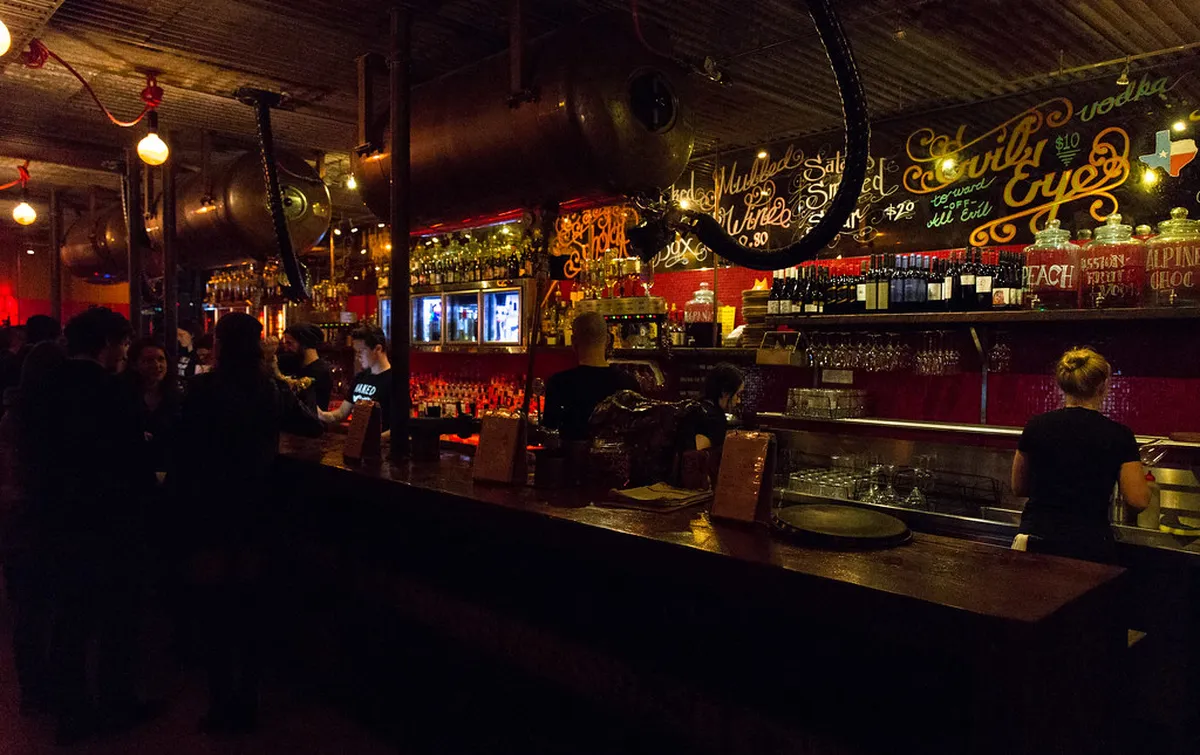
For something less obvious, book the Red Flat — a curated apartment-museum recreating a 1980s Bulgarian household, with cassette tapes, ration coupons, and a pickled-vegetable pantry. It's 12 BGN (€6) and takes about 45 minutes. Round out the city with Vitosha Boulevard Visitor Guide for shopping and street life, the Ladies' Market for produce and Bulgarian rose products, and a craft cocktail at Hambara, a candle-lit hidden bar with no sign on the door.
Practical Costs: Is Sofia Budget-Friendly?
Bulgaria adopted the euro on 1 January 2026, and prices are now displayed in both EUR and BGN at the fixed conversion rate of 1 EUR = 1.95583 BGN. Sofia remains one of the cheapest EU capitals despite the switch. A mid-range daily budget runs €40–60 per person, covering a central hotel room, three meals, and local transport.
Eating out is the standout savings line. A hearty banitsa-and-ayran breakfast from a corner bakery costs €1.50–2. Lunch at a local mehana (tavern) is €8–12, and a full dinner with wine in a recommended spot like Made in Home or Hadjidraganov's runs €20–25. A 500ml craft beer is around €3; a glass of decent Bulgarian Mavrud wine is €4–5.
Accommodation prices are equally easy on the wallet. Hostel beds start around €15, three-star hotels in the center sit at €60–80, and boutique stays like Sense Hotel or Niky Hotel run €120–160. Find current deals via Booking Resources. Many of the best things to do — the cathedral, Roman ruins, Vitosha hiking — are free or cost the price of a tram ticket.
Getting Around: Public Transit Hacks
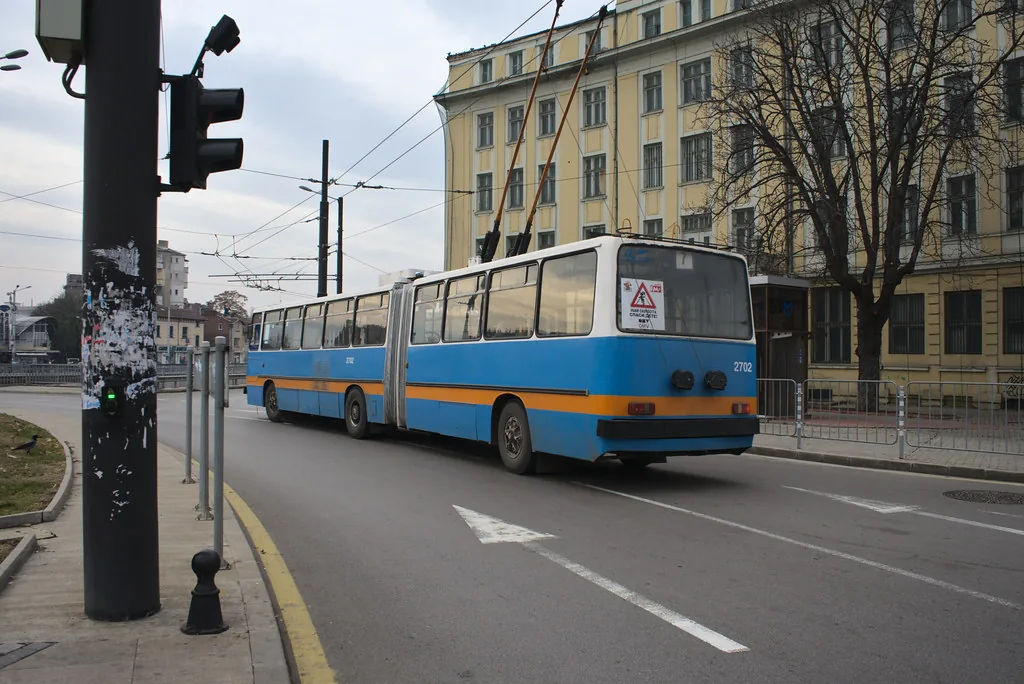
Sofia's public transport is the surprise hero of the trip. A single metro, tram, bus, or trolleybus journey costs 1.60 BGN (about €0.80) and you pay by tapping any contactless Visa or Mastercard directly on the validator — no ticket machines, no apps, no Bulgarian SIM card. The fare caps at €3.30 per day if you travel often.
The Serdica metro station is itself a destination. Construction in the early 2010s revealed an entire Roman district, which was preserved in place. You can walk through the ruins for free while transferring between Lines 1 and 2 — it's history for the price of a transit ticket, and one of the best practical hacks in the city.
For Vitosha Mountain, take Bus 66 from the Hladilnika station (end of Tram 6) up to Aleko at 1,800 metres. The bus runs hourly on weekdays and every 30 minutes on weekends, but check the seasonal schedule because winter snow can suspend service. The Simeonovo gondola is a more scenic alternative — it costs 10 BGN (€5) one-way and runs Friday to Sunday only outside ski season. Tram 10 makes a cheap scenic loop through residential neighborhoods past the central market and the synagogue if you want to see beyond the tourist core.
The Yellow Pavement and the 2026 Euro Switch
The famous yellow cobblestones around the Presidency, parliament, and Alexander Nevsky Cathedral are not paint or modern decoration. They are ceramic clinker bricks, fired and shipped from Budapest in 1907 as a gift from Austro-Hungarian Emperor Franz Joseph I to mark the wedding of Bulgarian Tsar Ferdinand to Princess Eleonore. Roughly 6,200 square metres survive, mostly along Tsar Osvoboditel Boulevard. They were laid by hand and still rest on the original sand bed, which is why the road feels uneven — and why heavy trucks are banned from the route.
The other context every 2026 visitor needs is the euro changeover. Bulgaria adopted the euro on 1 January 2026 at the fixed rate of 1 EUR = 1.95583 BGN. For the first 12 months, prices must be displayed in both currencies and shopkeepers must accept BGN cash but give change only in EUR. ATMs at the airport and main metro stops dispense EUR by default; ask for BGN explicitly if you want some for tip jars and bakeries that haven't fully transitioned. Many older taxi drivers still quote in leva — confirm the currency before you get in. Locals widely expect a small "rounding" inflation through 2026, so prices a year from now may sit 3–5% above what you see in this guide.
Crowds and Timing: Best Month to Visit
June through August are the peak months. Daytime temperatures climb past 30°C, and the cathedrals and Vitosha trails are at their busiest. Hotels also lift rates by 20–30% from mid-June. I'd skip these months unless you want to combine the city with Black Sea beach time afterward.
April, May, September, and October are the sweet spots. Spring brings green parks, blossoming linden trees along Tsar Osvoboditel, and 18–22°C days. Autumn delivers crisp air, gold foliage on Vitosha, and noticeably lower hotel prices. Both seasons see far fewer tour groups at Alexander Nevsky than summer.
Winter is for skiers. Vitosha resort opens runs from late December through early March, with day passes around 50 BGN (€26) — roughly a third of comparable Alpine resorts. Avoid the city itself in mid-January if you have respiratory issues; the valley smog is real. Check the Tours and Activities page for seasonal mountain excursions and rakia tastings.
Sofia vs Plovdiv: Which Bulgarian City Fits You?
Most travelers ask whether to split time between the capital and Plovdiv, Bulgaria's second city. The honest answer depends on what kind of trip you want. Sofia delivers depth — political weight, Communist history, mountain access. Plovdiv delivers atmosphere — pastel-painted Revival houses, a Roman amphitheatre still used for concerts, and the artist quarter Kapana.
| Factor | Sofia | Plovdiv |
|---|---|---|
| Best for | History layers, mountain access, Balkan launchpad | Walking aesthetics, food and wine, slow travel |
| Time needed | 2–3 days | 1.5–2 days |
| Average dinner with wine | €20–25 | €18–22 |
| Crowds | Light to moderate | Moderate (heavy in summer) |
| Public transit | Metro, tram, bus, trolleybus | Buses only, mostly walkable |
| Day trips | Rila Monastery Visitor Guide, Vitosha, Boyana Church | Bachkovo Monastery Visitor Guide, Asen's Fortress, Rhodope wineries |
| Vibe | Working capital with hidden depth | Bohemian, artistic, photogenic |
If you have four nights, do two in each. If you have only three, do two in Sofia and a day trip to Plovdiv (the train takes 2.5 hours each way; the bus is faster at 2 hours). If you have a week, base in Sofia and use it as the launchpad for Plovdiv, the Rila Monastery, and Veliko Tarnovo.
Essential Travel Tips for Your Sofia Trip
Bulgaria is in the Schengen Area as of March 2025, so most Western visitors no longer need a separate visa or border check when arriving from another Schengen country. EU and US passport holders get 90 days visa-free. Bring a Schengen-valid passport (six months remaining validity) and travel insurance with EHIC or equivalent.
Tap water is safe to drink across Sofia and most of Bulgaria — the city's water comes directly from Vitosha springs. Tipping is 10% in restaurants if service charge is not already added; round up for taxis. The standard greeting is "zdravei" (informal) or "dobur den" (formal); a head shake means yes and a nod means no in older Bulgarian custom, though younger people in the capital have largely switched to the Western convention. Confirm visually if it matters.
For taxis, only use OK Supertrans, Yellow!, or call via the Maxim app — airport curbside taxis without a meter are the single biggest tourist scam. The fixed metered rate from the airport to the center is around 15–20 BGN (€8–10); anyone quoting €30 cash is overcharging. Read our full safety tips for the airport-to-hotel transfer playbook.
One Day in Sofia: A Sample Itinerary
Start at 09:00 at Alexander Nevsky Cathedral before the tour groups arrive at 10:30. Spend 30 minutes inside, then follow the yellow pavement past the National Assembly to the Russian Church and the City Garden. Detour to the St George Rotunda inside the Presidential courtyard — most travelers walk past it without realizing it's there. A detailed 1-day itinerary can help you maximize tight time windows.
At 12:30, descend into Serdica metro station and walk through the Roman ruins for free. Surface at the Banya Bashi Mosque and the Sofia Synagogue — three faiths within a 200-metre radius. Grab a banitsa lunch from Furna or a bowl of tarator from Made in Home (around €8 with a glass of wine).
Spend the afternoon either at the Red Flat (book ahead) and the National Archaeological Museum, or hop on Tram 6 to Hladilnika and Bus 66 up to Vitosha for a 90-minute hike to Boyana Waterfall. Evening on Vitosha Boulevard for craft cocktails and dinner. Join a Bulgarian food tour if you want guided cheese, kavarma, and rakia tastings.
Final Verdict: Is Sofia Worth Visiting?
Sofia is worth visiting in 2026 if you want depth over surface. The city won't dazzle you on the first walk down Vitosha Boulevard, but the layered history, mountain access, and prices that still beat almost any other EU capital make it a genuinely rewarding two- or three-night stop. It's one of the easiest first introductions to the Balkans for travelers used to Western Europe.
Pair Sofia with the Rila Monastery day trip and at least 36 hours in Plovdiv, and you have a strong four-to-five-night Bulgaria circuit. The capital works best as a working base — book central, walk everywhere, and use the buses or trains to spoke out for the wow moments. Re-read our safety tips for the airport transfer and the taxi playbook before you land.
The honest opinion: Sofia is a gem hiding in plain sight. The euro switch in January 2026 will likely push prices up a few percent through the year, and the discovery curve will keep climbing as more nomads relocate. Go now, before the secret is fully out and the yellow bricks get crowded.
- Verdict: Who should go?
- Best for: Budget travelers, history readers, and Balkan first-timers.
- Skip if: You only travel for postcard skylines and curated photo spots.
- Alternative: Plovdiv for a more bohemian, artist-driven atmosphere.
Frequently Asked Questions
Is Sofia safe for solo travelers?
Sofia is very safe for solo travelers, including women. Violent crime is rare, and the city center remains active late into the evening. Standard precautions against pickpockets in crowded areas are sufficient.
How many days do you need in Sofia?
Two to three days is the ideal amount of time for Sofia. This allows you to see the main historical sights and take a half-day trip to Vitosha Mountain. Add an extra day for the Rila Monastery.
Is Sofia expensive compared to other European cities?
Sofia is significantly cheaper than Western European capitals like Paris or London. It is even more affordable than regional neighbors like Bucharest or Belgrade. You can live comfortably on $50 per day.
Sofia is a city that grows on you the longer you stay. The combination of Roman heritage and affordable modern living is hard to beat. I highly recommend giving this Balkan capital a chance on your next trip.
Whether you are hiking Vitosha or exploring ruins, the city surprises at every turn. Pack your walking shoes and prepare for a fascinating journey through time. Sofia is waiting to show you its golden domes and hidden Roman streets.